Hamadan
Description
The heir of Median Ecbatana, a cool city at almost two thousand metres under Mount Alvand: the mausoleum of Avicenna, the tomb of Esther and Mordechai and the Achaemenid inscriptions of Ganjnameh.
Wiki
Hamadan is one of the oldest cities in Iran and the heir of Median Ecbatana, lying at almost two thousand metres at the foot of Mount Alvand. It was once the summer capital of the Achaemenids; today it is a cool mountain city with unusually wide radial streets and a handful of monuments from different eras and religions. In summer people come here to escape the heat of the plains.
Main sights
- Mausoleum of Avicenna — a modern tower monument over the grave of Ibn Sina, the city's emblem, with a museum and a library.
- Tomb of Esther and Mordechai — one of the main Jewish shrines in Iran and a place of pilgrimage.
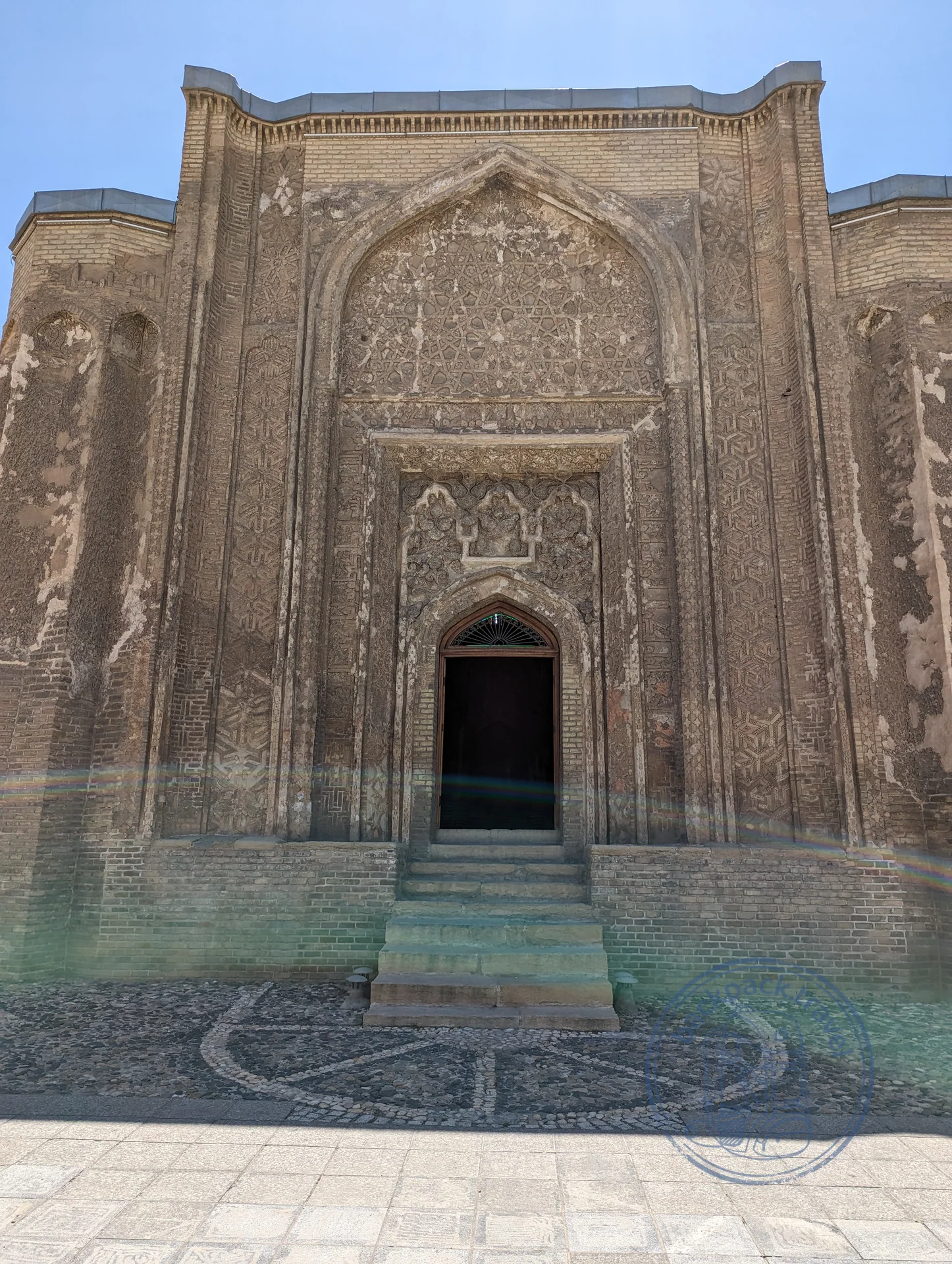
- Gonbad-e Alavian — a twelfth-century Seljuk mausoleum with exceptionally fine stucco carving.
- Ganjnameh — Achaemenid cuneiform inscriptions of Darius and Xerxes cut into the rock beside a waterfall; a cable car runs up the slope of Alvand.
- Ecbatana (Hegmataneh) — the excavation of the ancient capital, right inside the city.
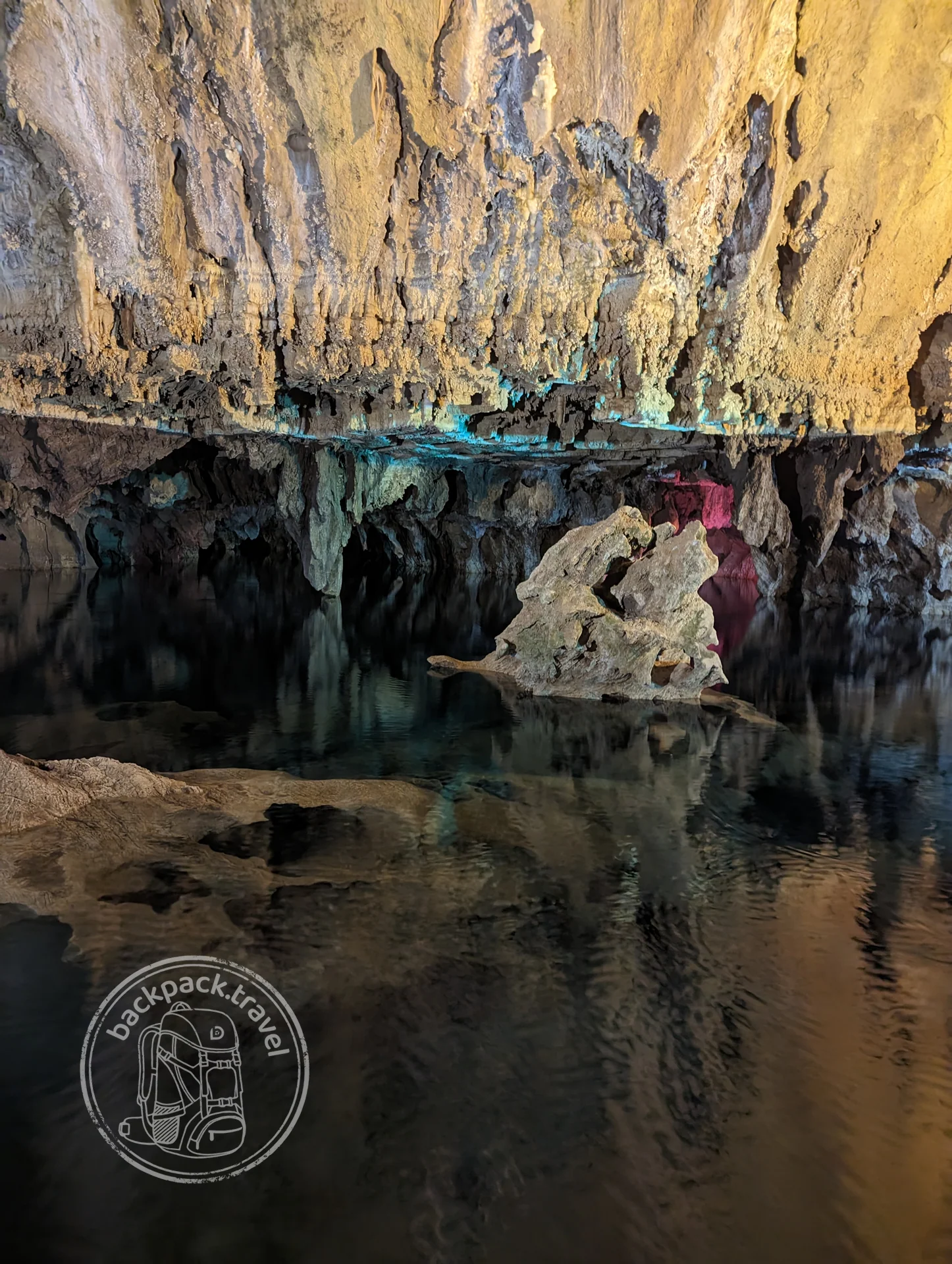
- Ali Sadr cave — a huge water cave 70 km away, one of the largest in the world, with boat rides across its underground lakes.
Food and money
The climate is cool and the cooking is filling; Hamadan is known for its dairy products and sweets. Cash is essential — foreign cards do not work in Iran.
Getting there
Hamadan airport (HDM) takes domestic flights. The city is a major road junction in western Iran, and Kermanshah and Qazvin are both easy runs from here. The Ali Sadr cave is a separate half-day trip by car.
When to come
Hamadan is one of the coldest cities in Iran, with a hard, snowy winter. The best time is May to September, when the plains are baking and it is fresh and green up here.
Updated