 Города и дороги
Description
A terraced town of honey-coloured limestone on a ridge above the Mesopotamian plain: Artuqid medreses, covered passages under the houses, and Syriac monasteries fifteen centuries old around it.
Wiki
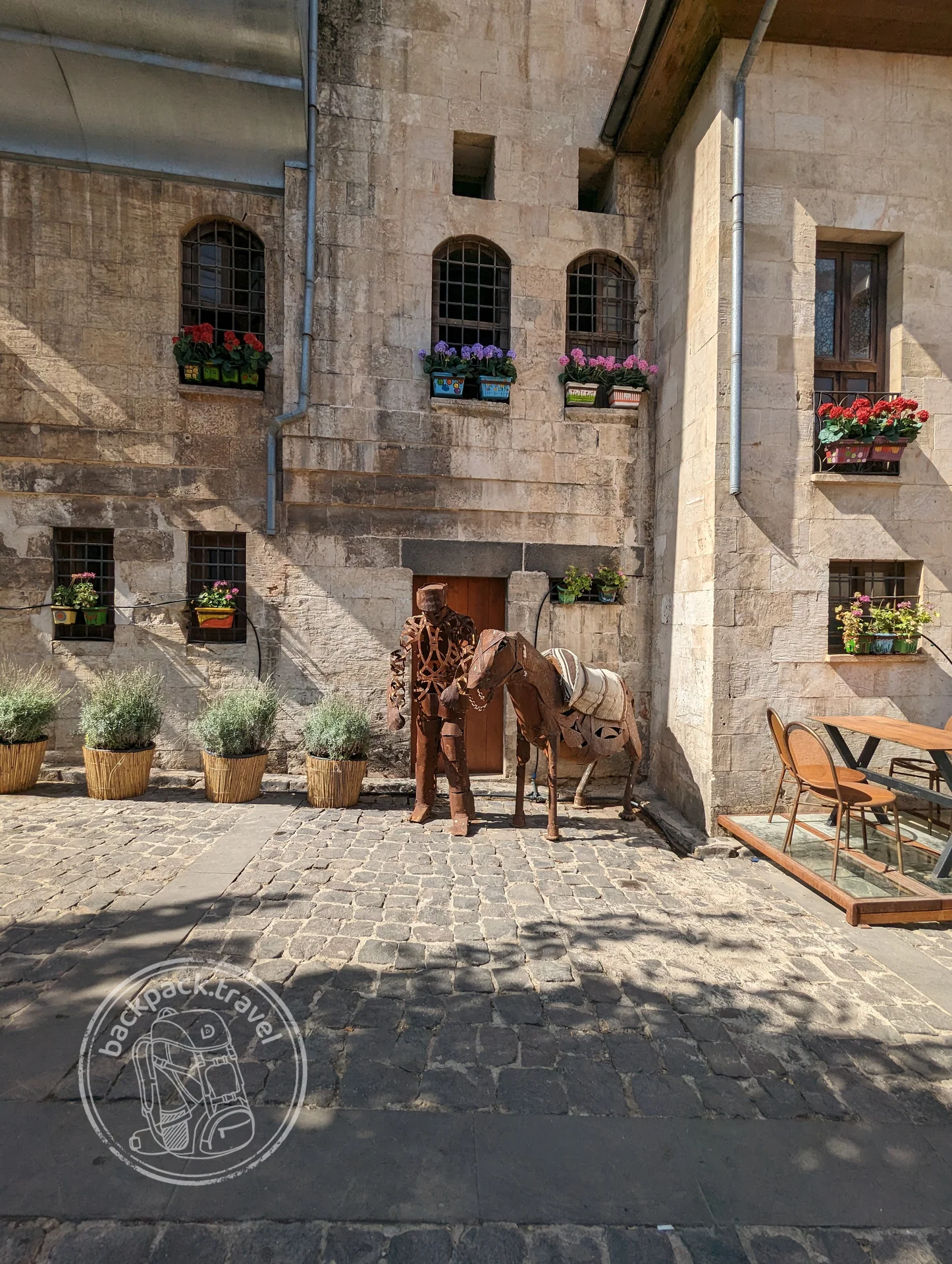
Mardin is stretched along the southern slope of a limestone ridge above the Mesopotamian plain: the houses climb in terraces, the roof of one serving as the courtyard of the next, and the plain is in view from anywhere in the old town, with the Syrian border twenty-five kilometres away. The central district of Artuklu has about a hundred and sixty thousand inhabitants. From 1102 to 1409 Mardin was the capital of the Artuqids, who covered the ridge with medreses and mosques built from the same honey-coloured limestone as the houses; then came the Akkoyunlu, and from 1517 the Ottomans. Arabic dialect, Kurdish and Turoyo, the language of the Syriac Christians whose monasteries have stood around the city for fifteen hundred years, are all still spoken here.
Why come and what to actually see
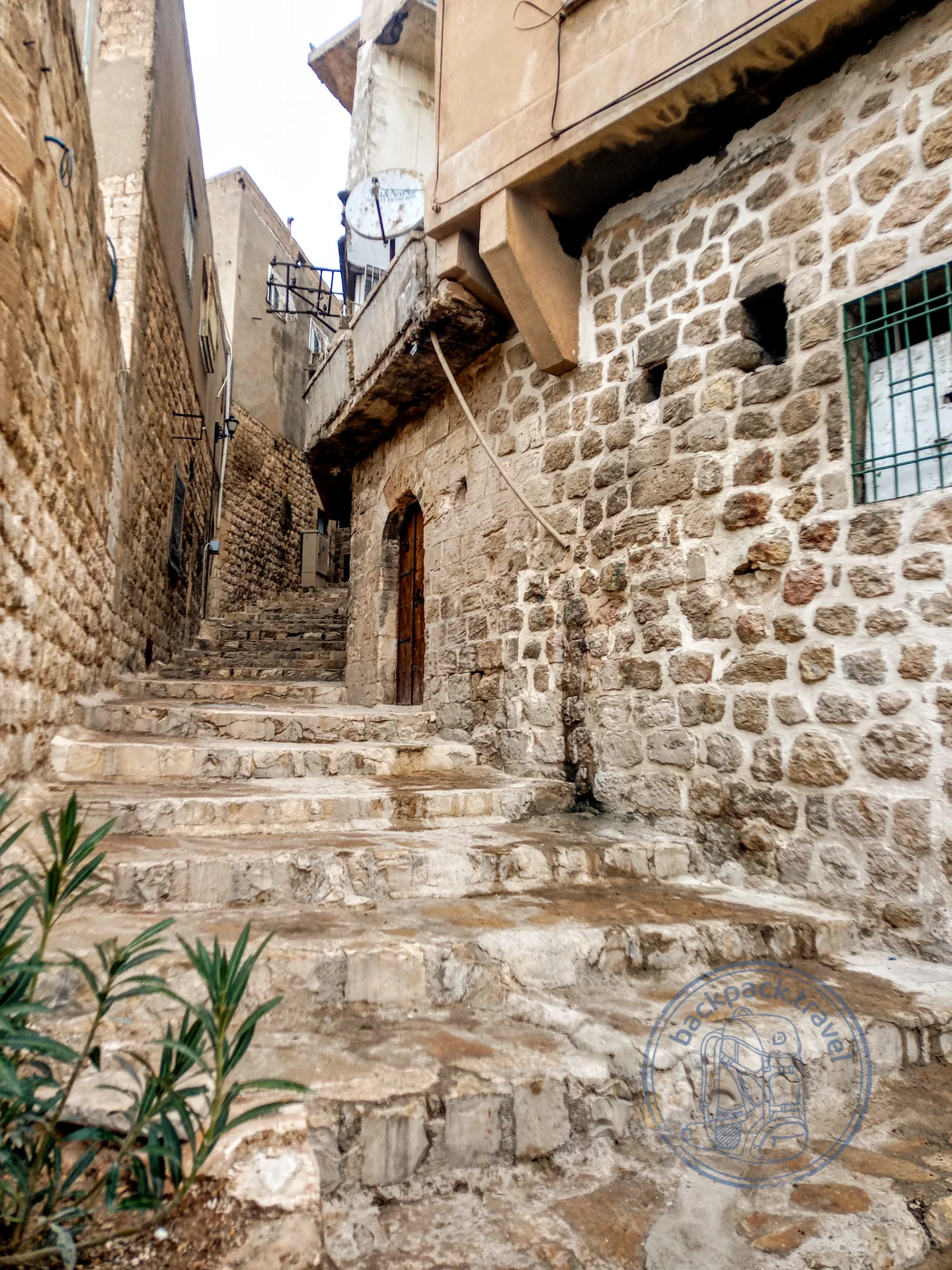
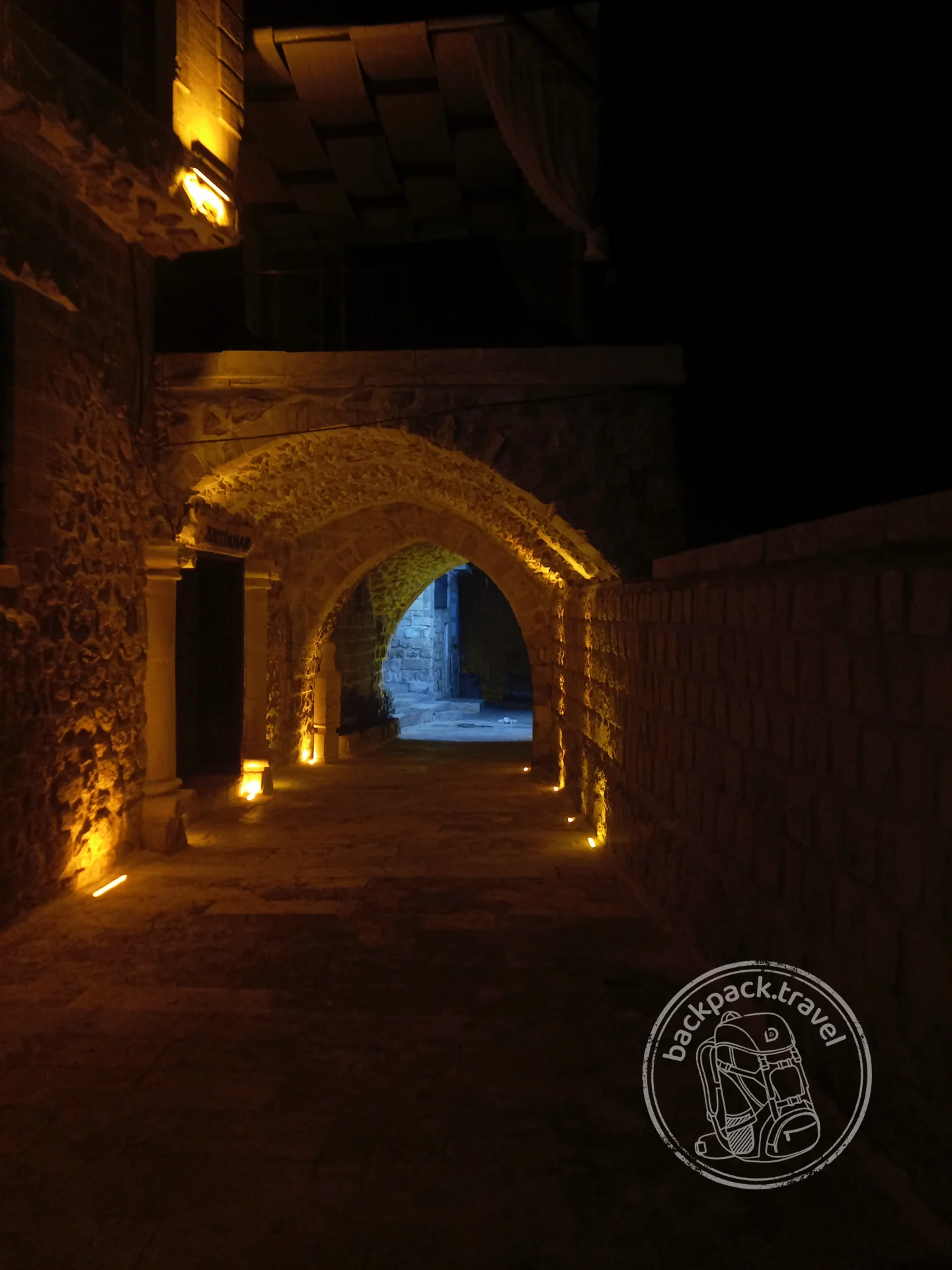
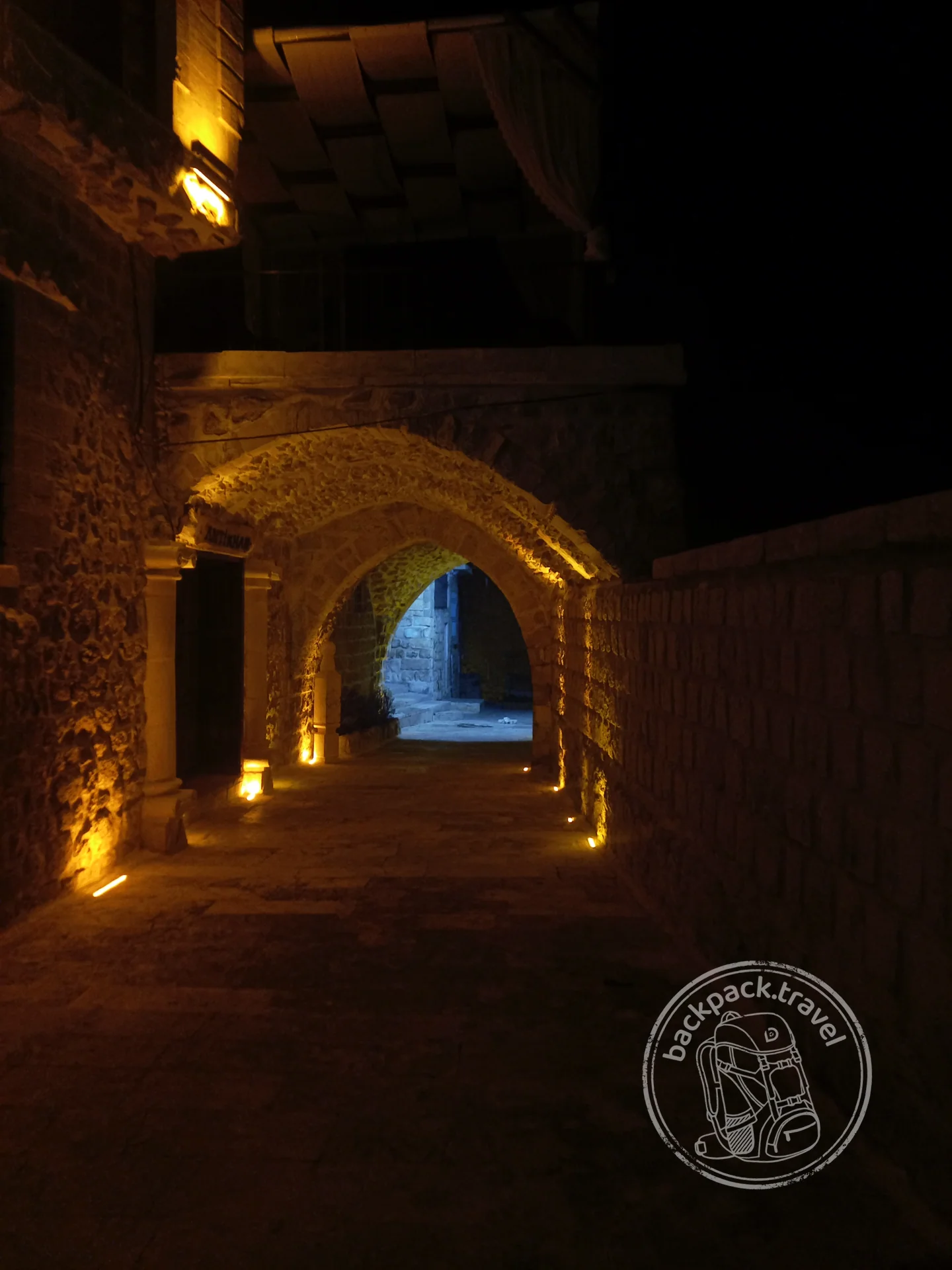
The main sight here is the city itself, and it takes a day to walk. A single through street, Birinci Cadde, runs along the slope, with staircases branching off it and abbaras, covered passages under the houses that stay dark and cool even at midday in July. The Ulu Camii was built by the Artuqids in the second half of the twelfth century, was badly damaged in 1832 during the suppression of a Kurdish revolt and was rebuilt; of the original building mainly the fluted minaret survives.
The Zinciriye Medrese was put up in 1385 by Melik Necmeddin İsa, the last Artuqid ruler of Mardin: two domes, a carved portal and the terrace from which nearly every postcard view of the plain is taken. The Kasımiye Medrese is larger and stands on the western edge; the Artuqids began it and Kasım Pasha finished it under the Akkoyunlu in the second half of the fifteenth century. In its courtyard is a cascade of pools read as the course of a human life.
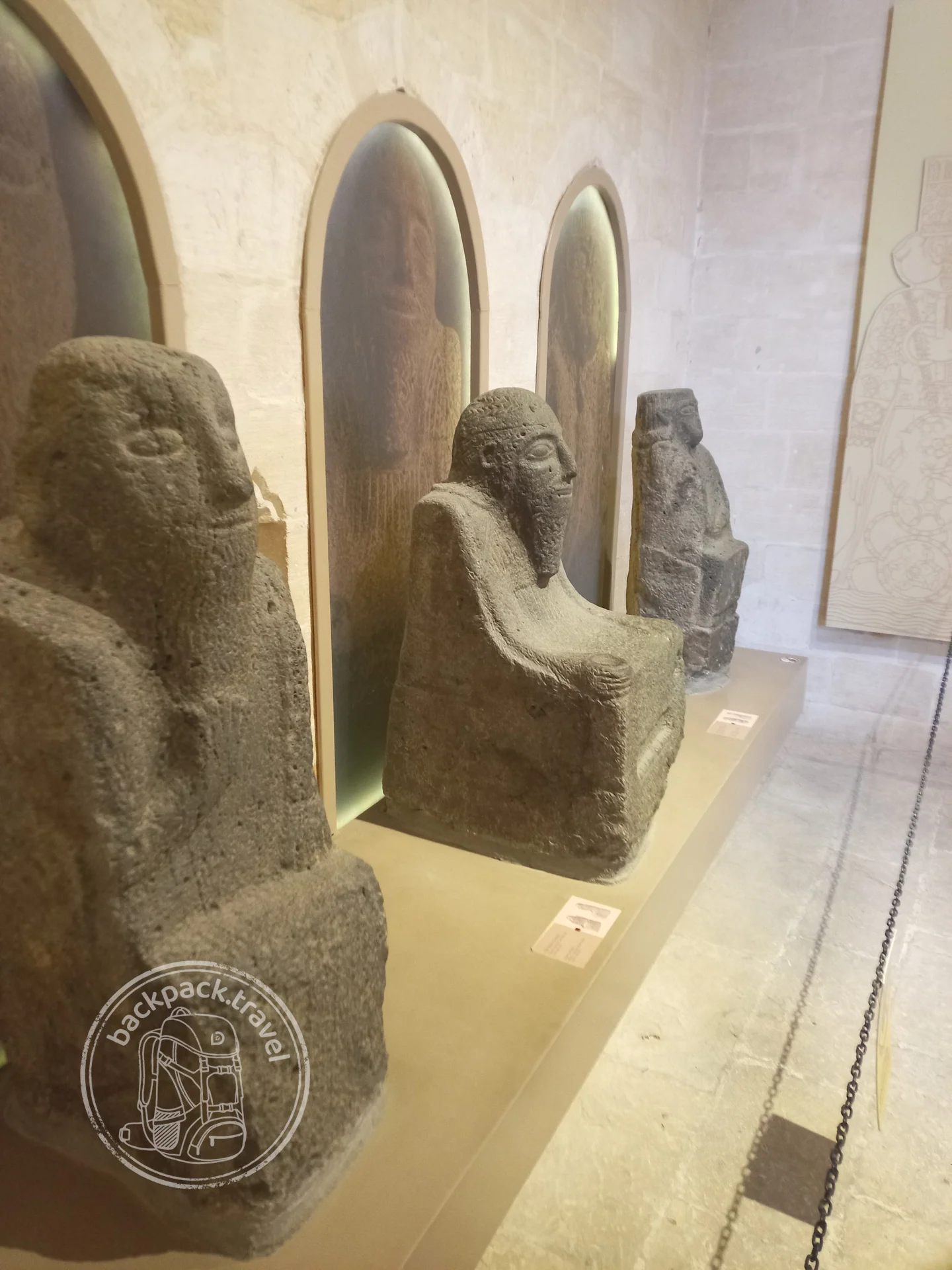
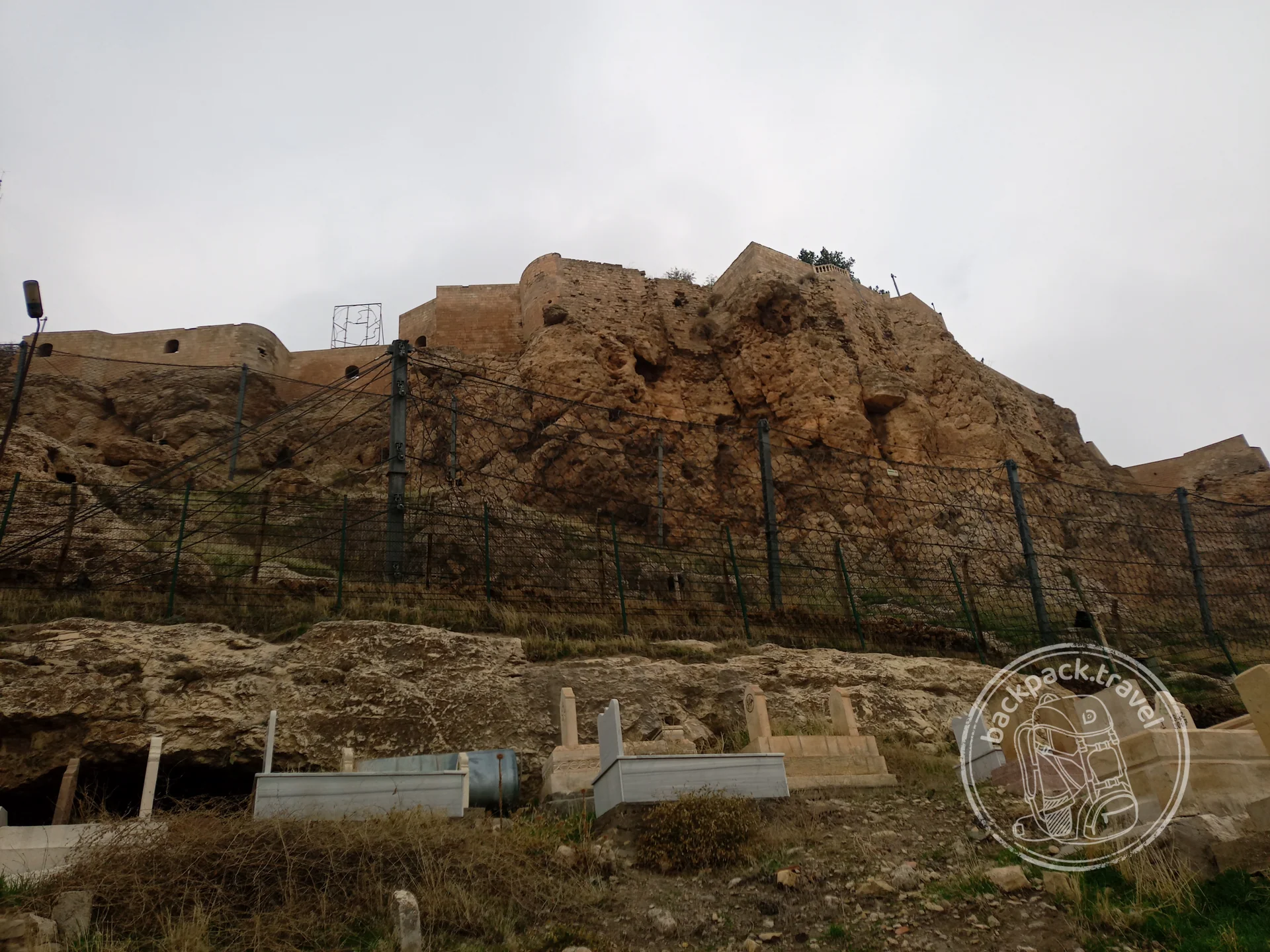
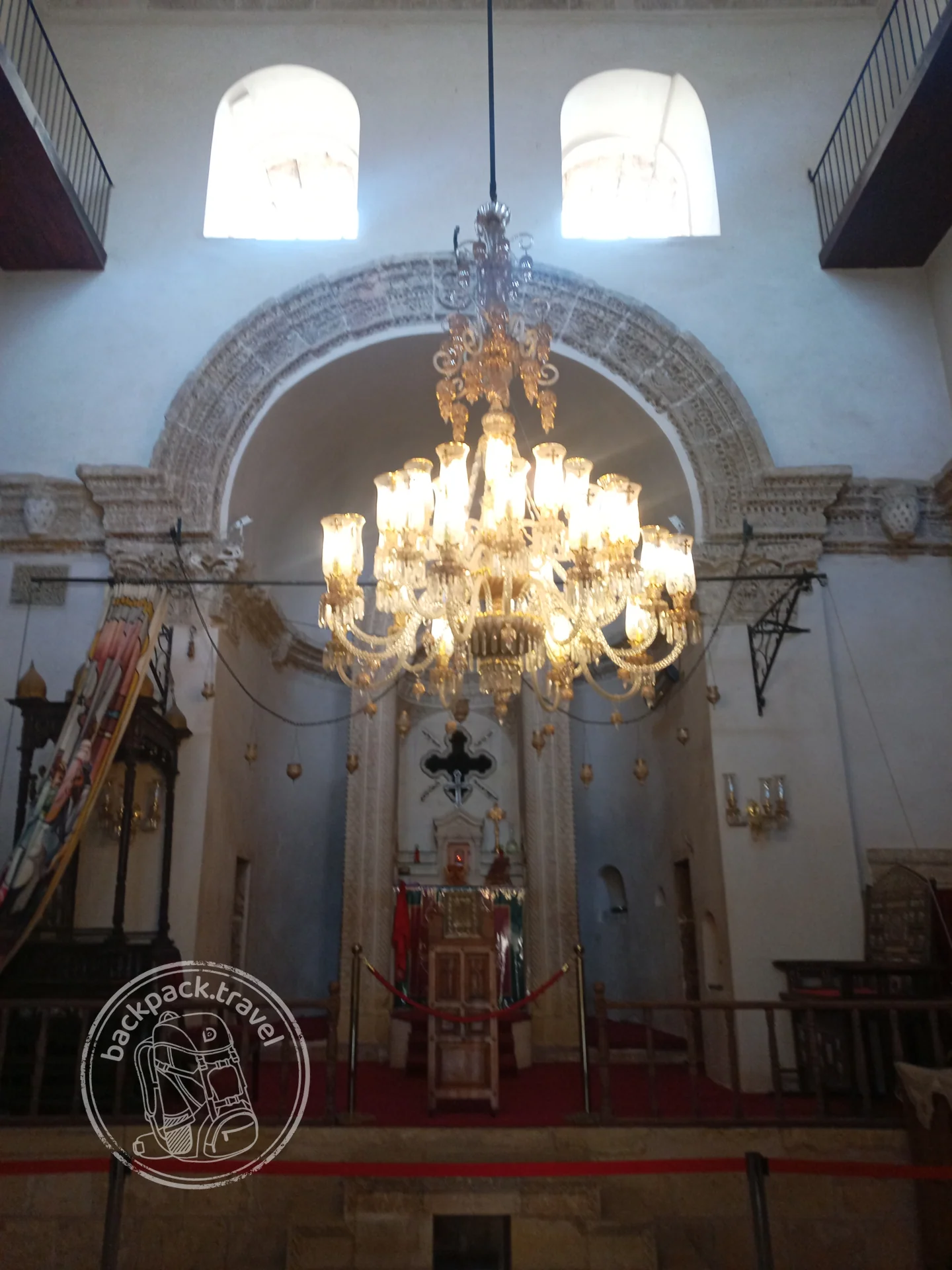
The Mardin Museum occupies the building of the Syriac Catholic patriarchate of 1895; the collection runs from the Mesopotamian Neolithic to Ottoman domestic life. The Church of the Forty Martyrs is recorded from 569 and is still in use. The fortress on the crest of the ridge is visible from everywhere, but there is no going up: it is a military installation.
The monastery of Deyrulzafaran stands five kilometres to the south-east. Founded in 493, it was the seat of the Syriac Orthodox patriarch from 1160 to 1932. It can only be seen with a guide, tours leave once an hour, and there is a break for prayer in the middle of the day.
Getting there and getting around
Aziz Sancar airport lies twenty kilometres to the south; there are flights from Istanbul and Ankara, the flight from Istanbul takes about two hours, and the old town is twenty-five minutes away by taxi or minibus.
Overland, buses link Mardin with the whole south-east: Diyarbakır is ninety-five kilometres and roughly an hour and a half, Şanlıurfa about a hundred and ninety, Midyat sixty-five. The coach station is down in the new town of Yenişehir, with dolmuş minibuses running up. Inside the old town transport is useless: the whole distance is three kilometres along the slope, but the drop in height is considerable and climbing the stairs takes more out of you than the map suggests.
Where to stay
Sleep in the old town: nearly all the accommodation here consists of converted nineteenth-century stone mansions with terraces facing the plain, each with only a handful of rooms. It is cheaper to settle in Yenişehir below, but the evening light on the facades is worth the difference. Book ahead for weekends and school holidays: domestic tourism has grown and the small hotels run out of rooms.
Day trips
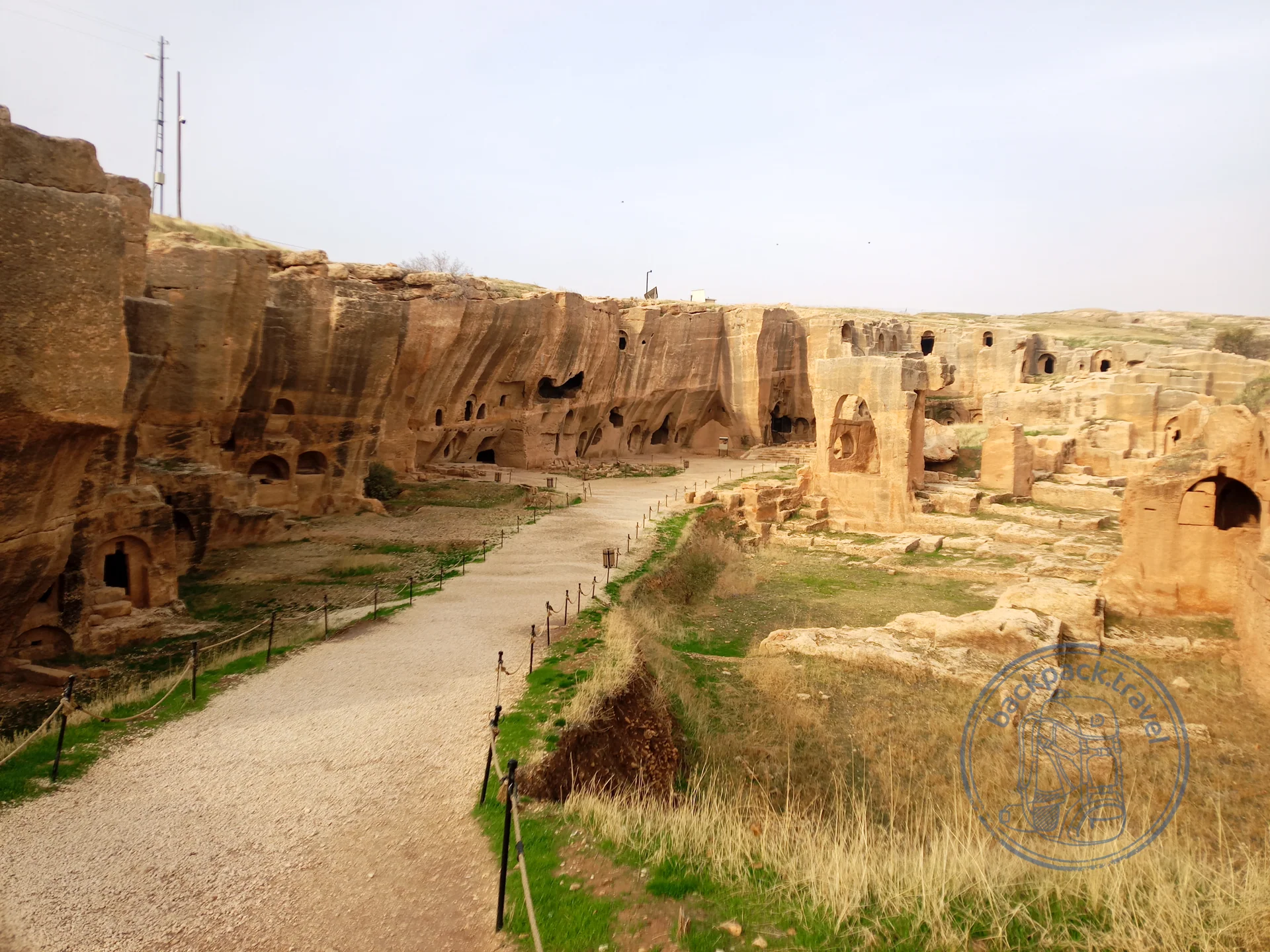
Dara, thirty kilometres to the south-east, is a Byzantine garrison town founded in 505 against the Sasanians. Barely a tenth of it is above ground: a necropolis cut into the rock, an enormous cistern, fragments of walls.
Midyat, sixty-five kilometres away, is the centre of Tur Abdin, a stone town with Syriac churches and workshops making telkari filigree. Another twenty-three kilometres on is Mor Gabriel, founded in 397 and held to be the oldest working Syriac Orthodox monastery in the world. Savur to the north is called a small Mardin: the same stone, without the tourists.
When to come
The best months are April, May and the second half of September together with October. In spring the plain below the city is green, which it is for only a couple of months a year, with around twenty-five degrees by day; in autumn the heat lets go, the light turns low and warm, and there are fewer visitors than in spring.
Summer is hard going: from June to August the daytime figure sits close to forty, the stone bakes, and sightseeing is only possible early in the morning and after six in the evening. The altitude of almost a thousand metres helps little, though the nights are cooler than on the plain. Winter is mild, around eight to ten degrees by day, with rain and occasional snow; on such days the city sinks into cloud.
Food and money
Mardin's cooking is closer to Syrian than to Anatolian. The signature dish is kaburga dolması, lamb ribs stuffed with rice and almonds and roasted whole; it has to be ordered in advance. Alongside it are ikbebet, a version of kibbeh in a bulgur shell, and sembusek with meat. For something sweet people take sugared almonds, and to drink there is mırra, an extremely strong cardamom coffee served in thimbles and drunk without sugar.
Hotels and restaurants take cards, and there are ATMs both up in the old town and down below. Cash is needed on the minibuses and at the market below the Ulu Camii.
What to know
The earthquake of 6 February 2023 was felt strongly in Mardin and there were collapses and deaths in the districts of the province, but the historic centre held: it came down to cracks and spot repairs, and a damaged minaret on one of the old mosques was reinforced with anchors rather than taken down. None of the main sights are closed.
You will be walking on stone and stairs: the limestone has been polished to a shine by feet, so shoes need non-slip soles. The city is multi-confessional and takes outsiders calmly, but covering clothes are sensible, and in mosques and monasteries they are required. Roads in the south pass through checkpoints, so keep your documents with you.
Updated