
Sécurité par pays
Où c’est calme, où l’on vous ouvre les sacs et qui appeler quand il se passe quelque chose
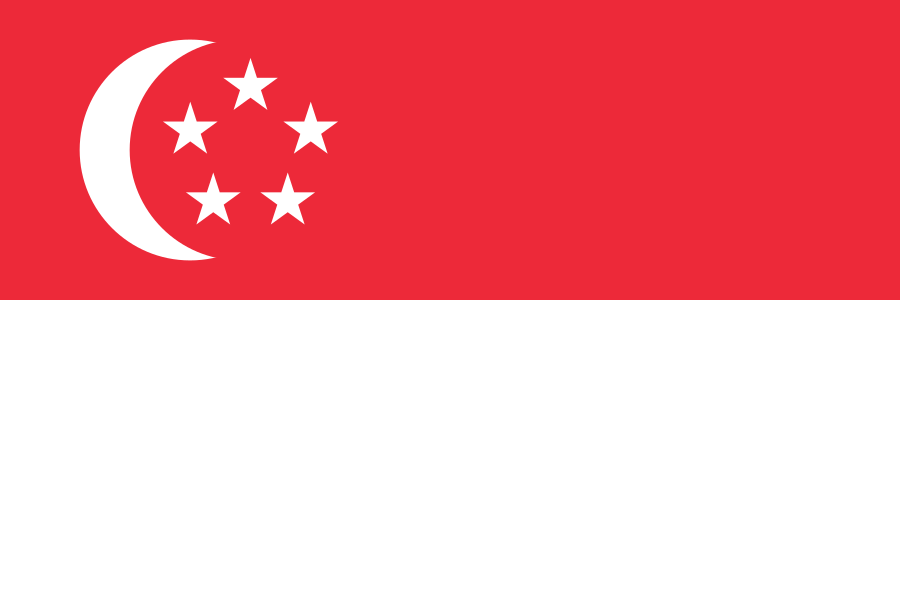
Singapore is called a fine city for a reason.
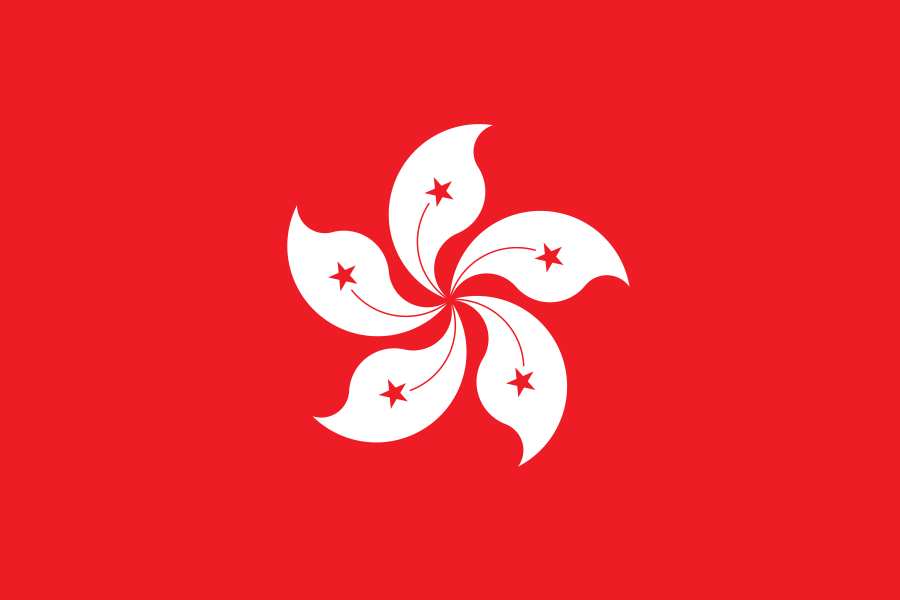
This is one of the safest large cities in Asia.
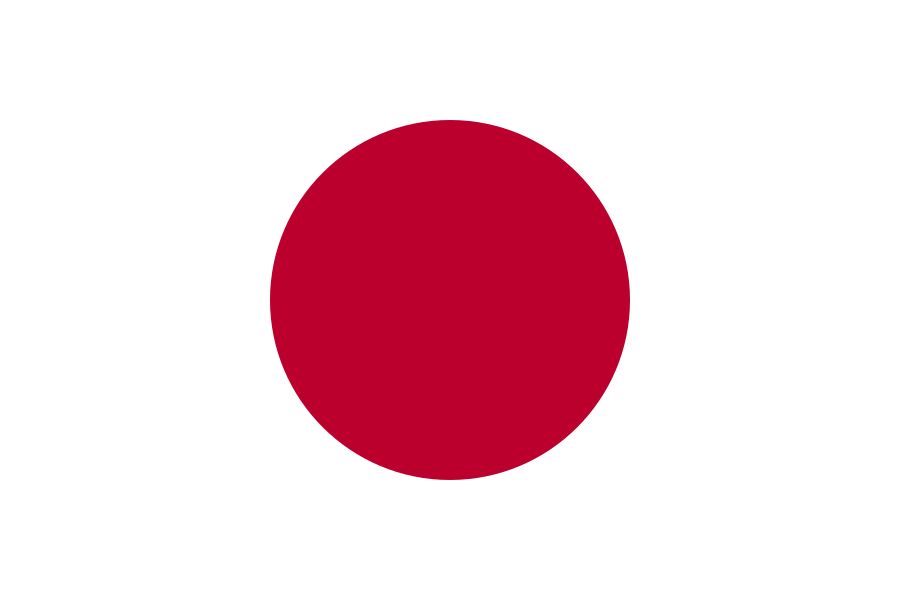
You can walk almost anywhere at any hour of the night without a worry.

Denmark is among the safest countries anywhere, though it is still worth staying alert in crowds at the main stations.

Conditions in the Alps change within minutes, so even a straightforward summer hike needs proper boots and a warm windproof layer.

The general picture: one of the safest countries in the world.
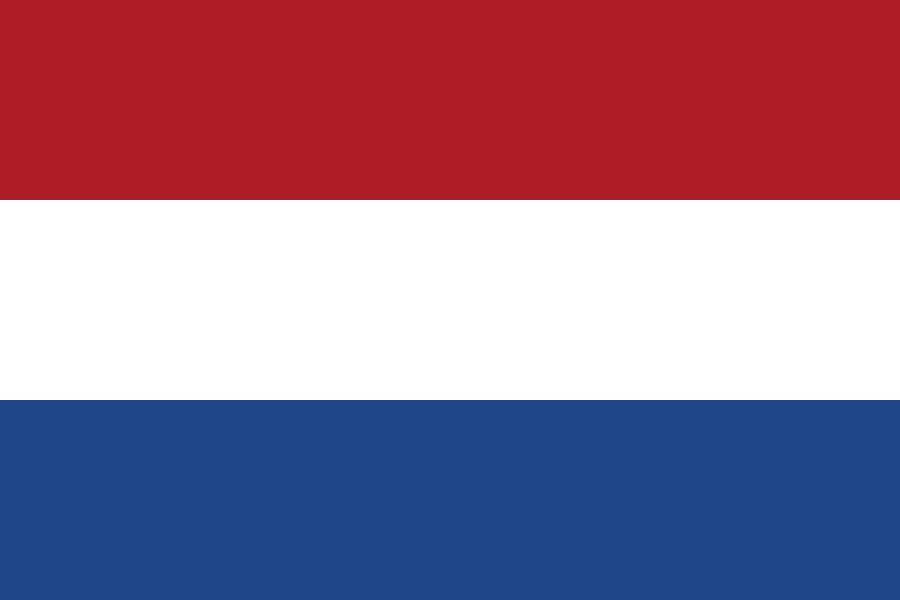
The single biggest hazard for a visitor is the red-surfaced bike lane.

The general picture: among the safest countries in Europe, and walking at night in any city is unremarkable.
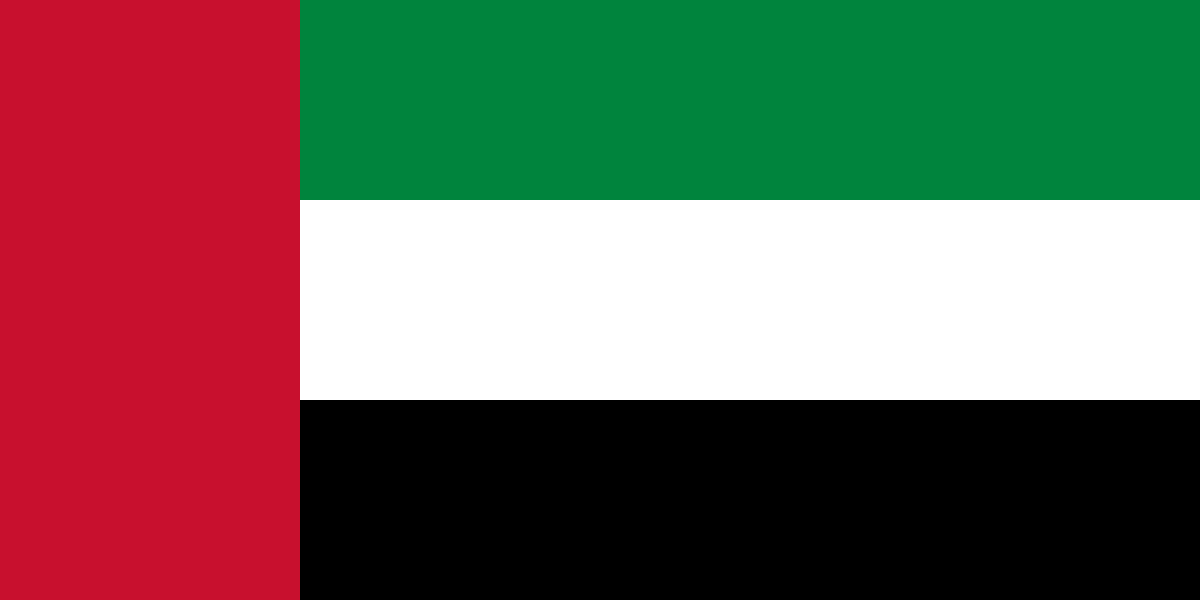
The Emirates is one of the safest countries anywhere.
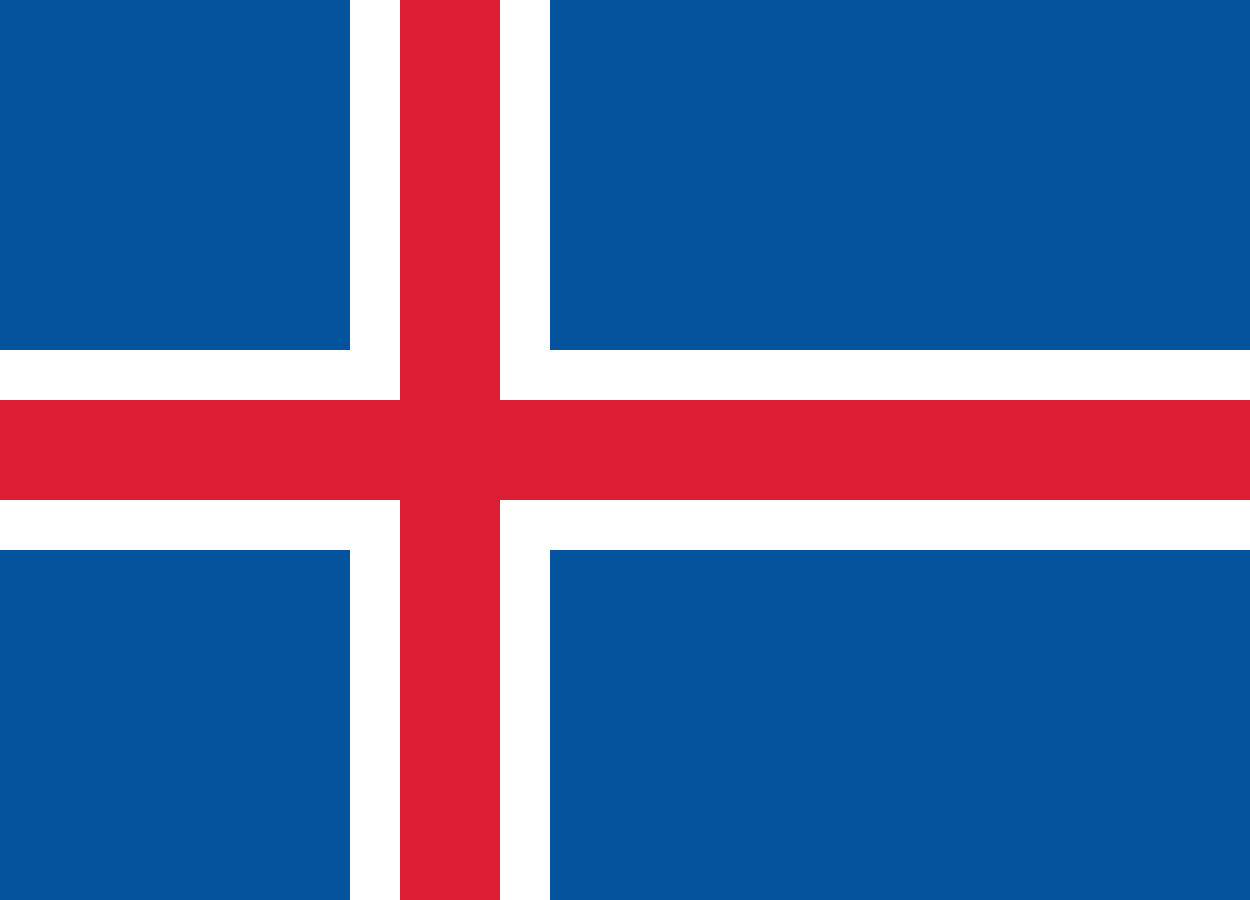 Islande
The real danger here is not crime but the weather.
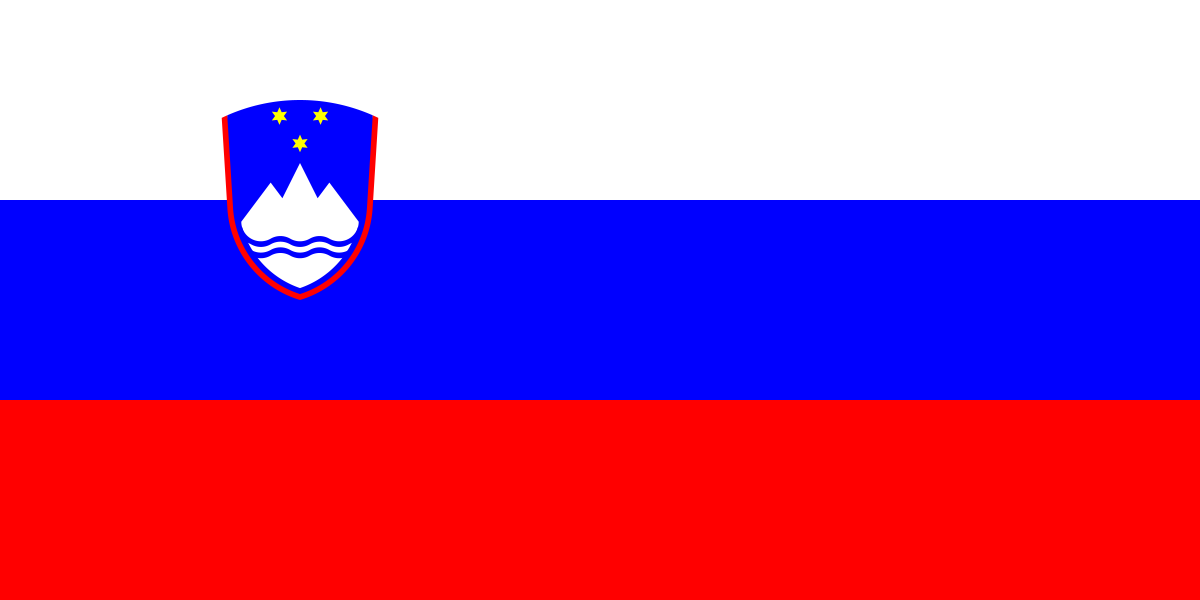 Slovénie
Slovenia consistently ranks among the calmest countries in the world for visitors.
 Norvège
This is one of the calmest countries in the world, crime is minimal and walking around the cities at night is entirely fine.
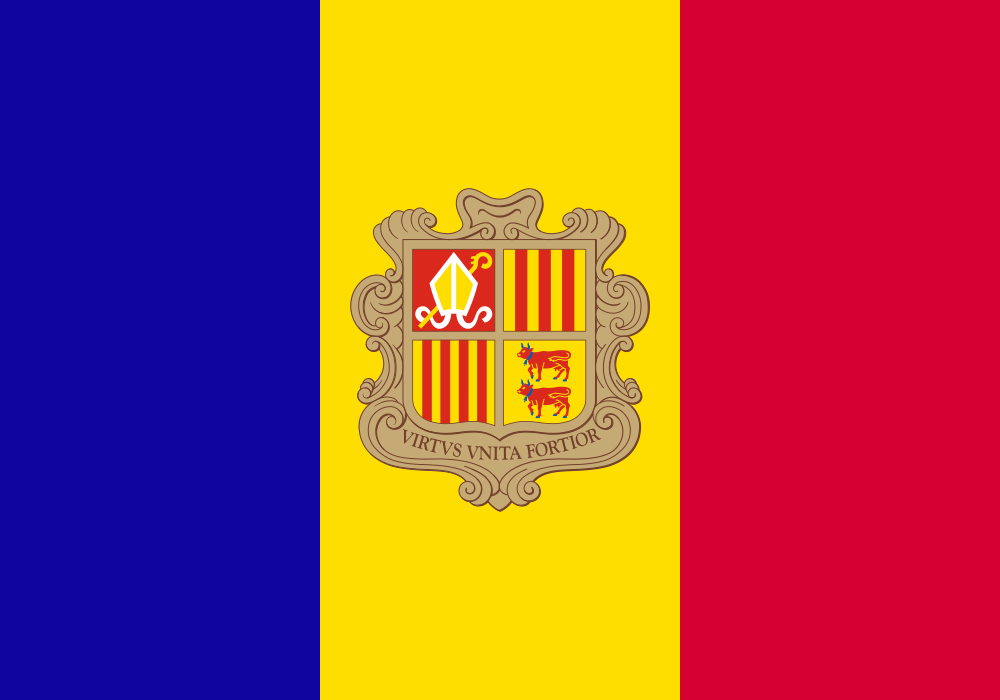 Andorre
One of the safest countries in the world, with almost no street crime.
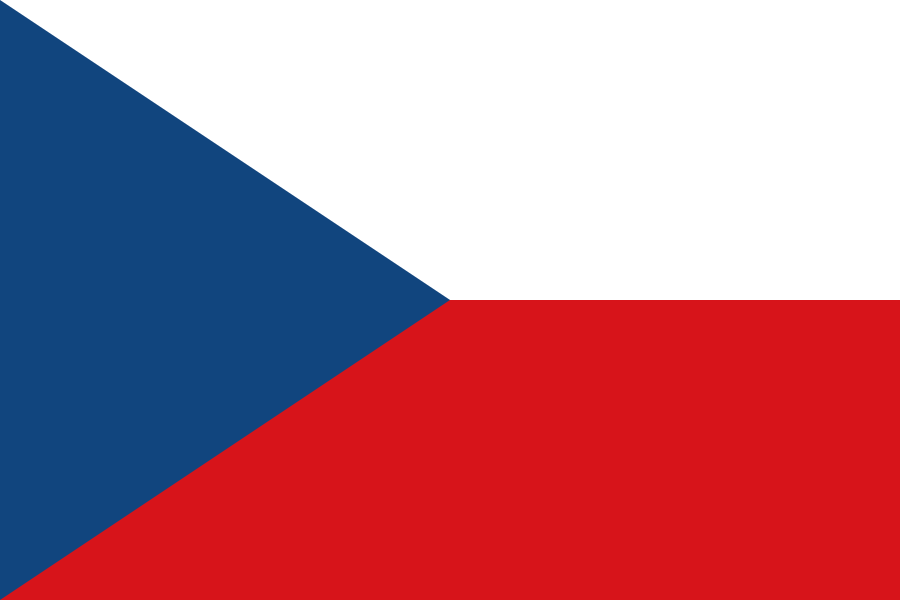 Tchéquie
The country is very safe and you can walk through cities late at night without concern.
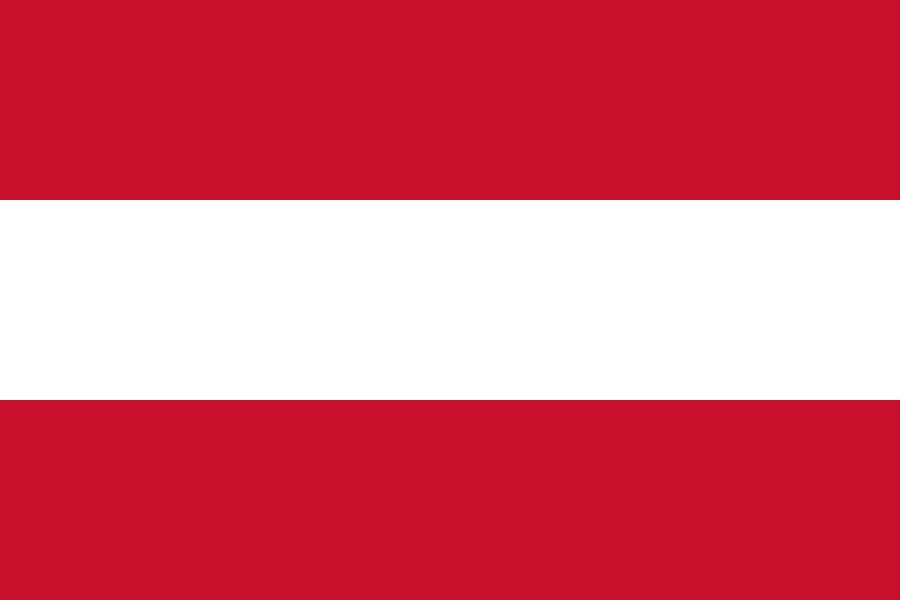 Autriche
Austria is exceptionally calm and walking at night is unremarkable even in outer suburbs.
 Qatar
QatarQatar consistently ranks among the safest countries on earth.

Korea is one of the safest countries in the world, and walking through back streets alone at night is unremarkable here.

The Grand Duchy sits consistently on the lists of the safest places on earth.
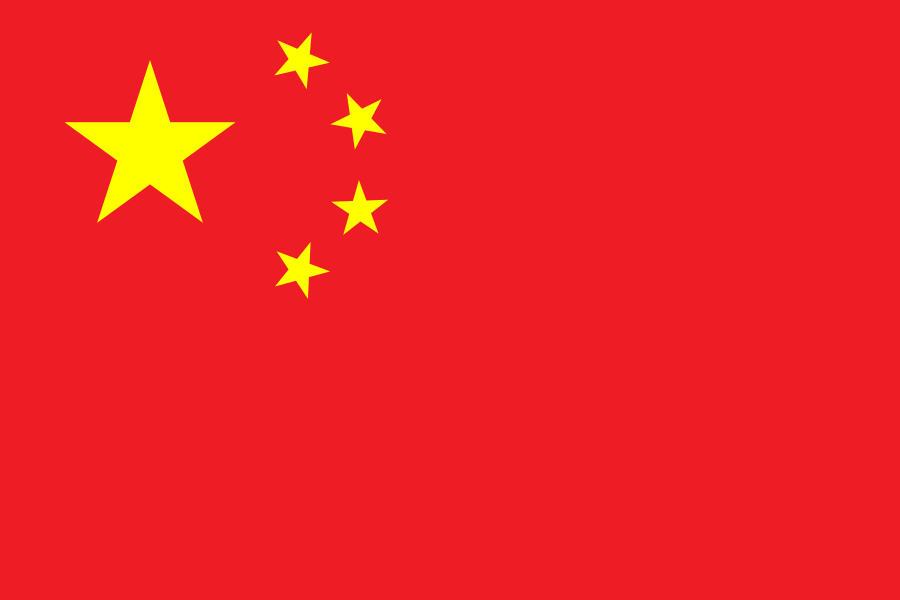 Chine
ChineThe general picture. China is one of the safest countries anywhere for walking alone, including late at night.
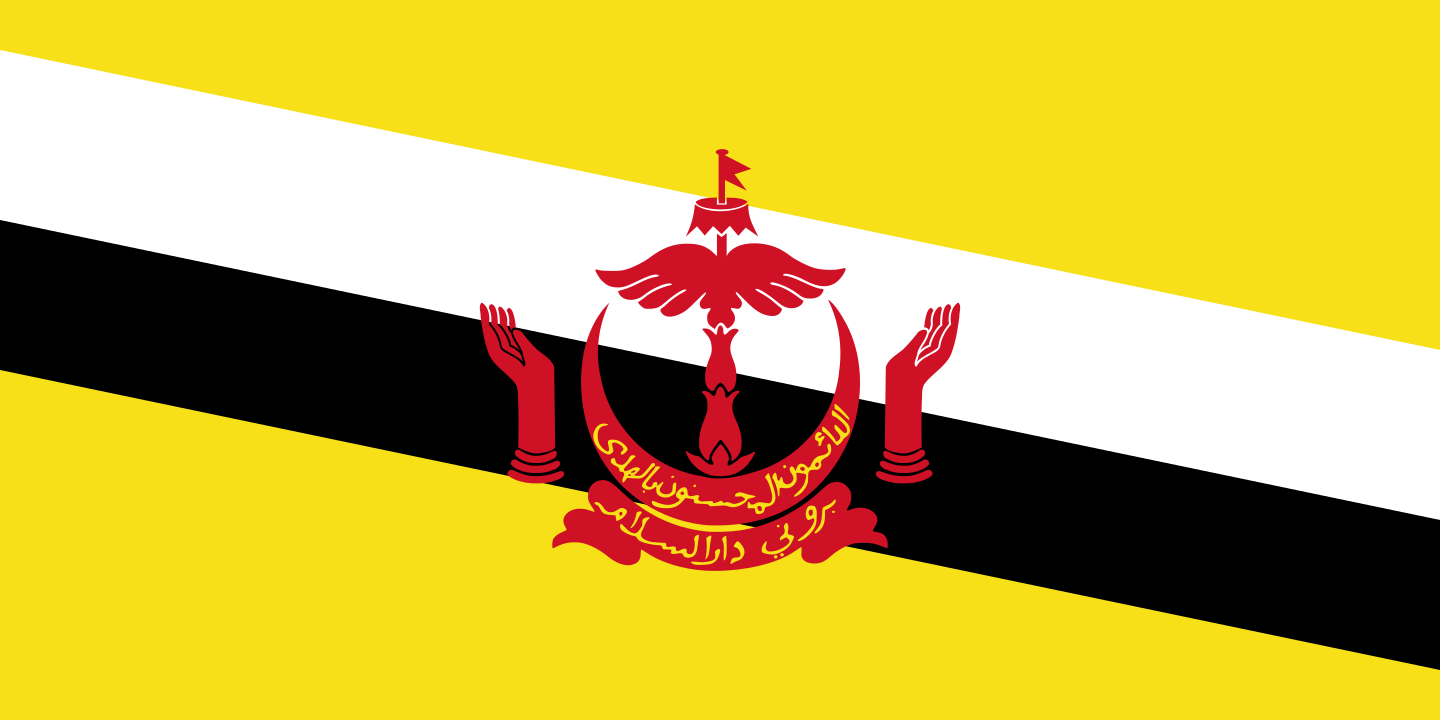 Brunei
The general picture. Brunei is one of the safest countries in the world for an independent traveller.
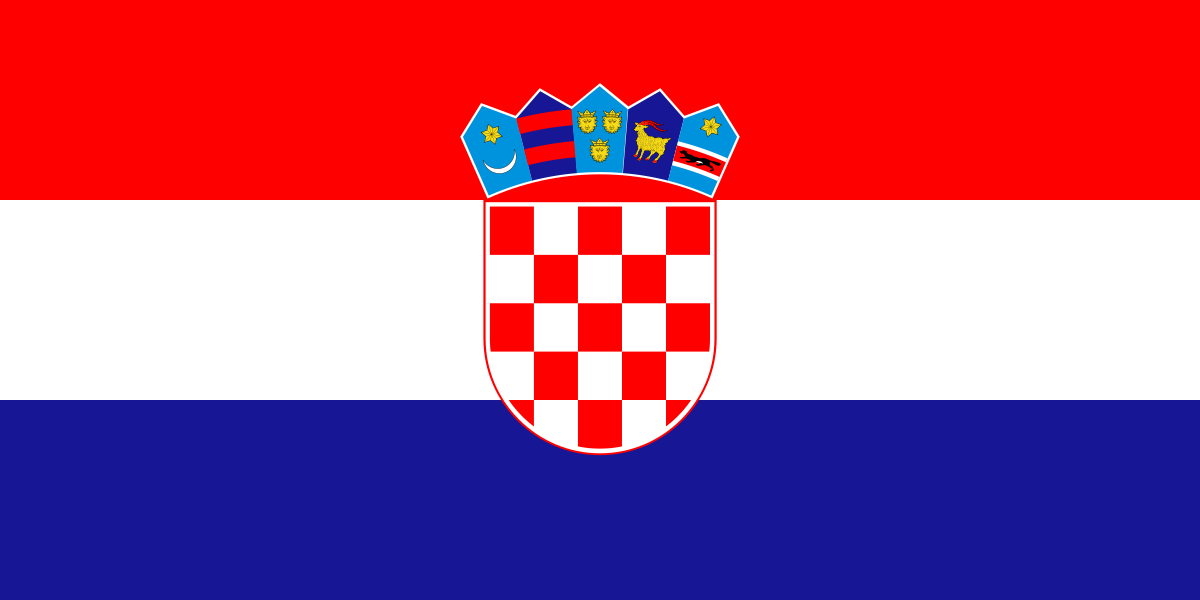 Croatie
This is one of the calmer countries in Europe, and walking at night is not a concern.
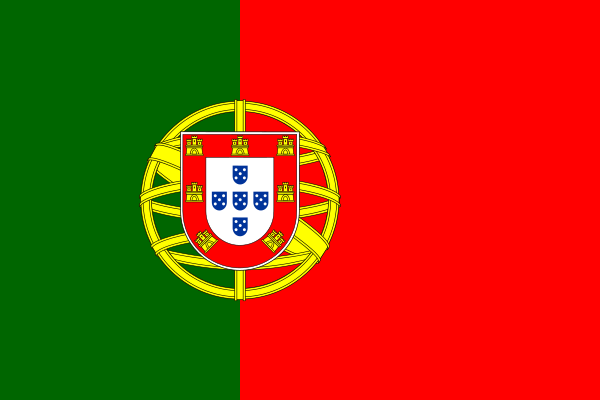 Portugal
Portugal ranks among the calmest countries in the world, and walking alone late in the evening is entirely comfortable in the cities.
 Bahreïn
Bahrain is among the calmest countries in the region for visitors.
 Pologne
Poland is one of the calmest countries in Europe for independent travel.
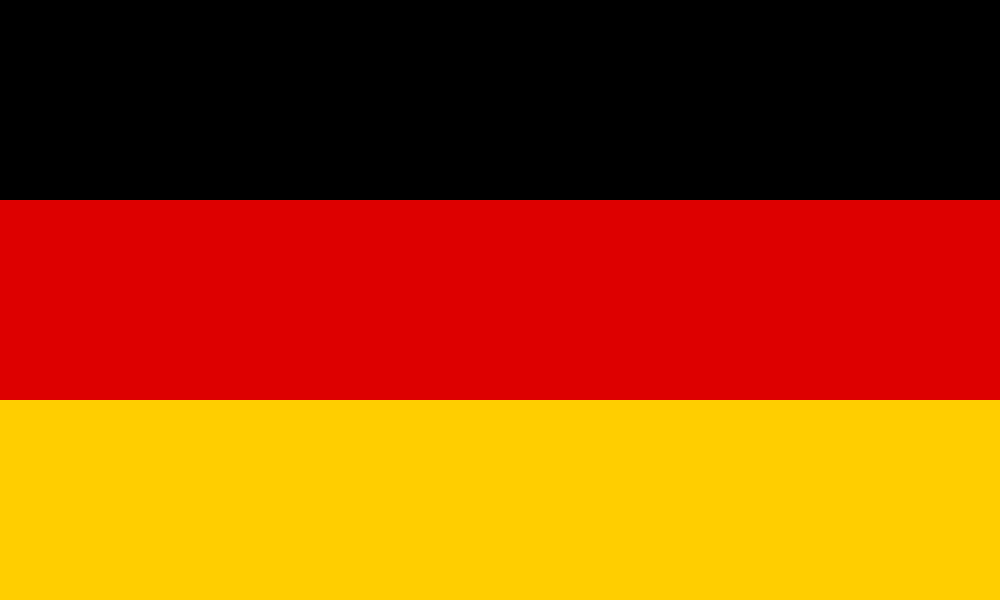
Germany is orderly and safe, but watch your bag in the crowds at Alexanderplatz.
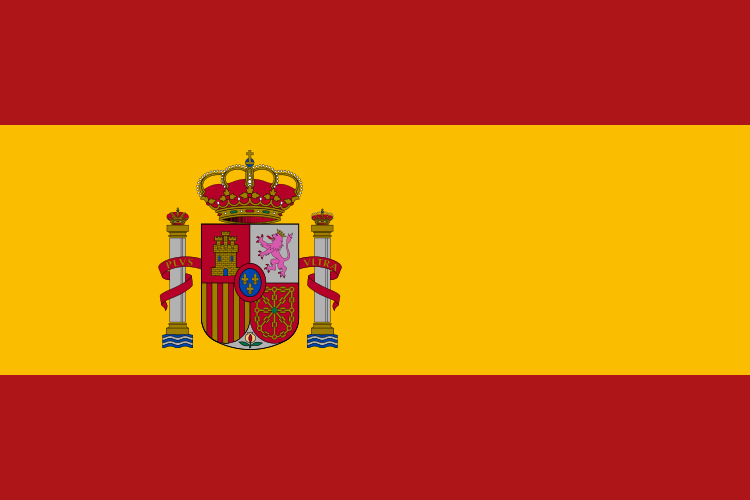 Espagne
Barcelona has a reputation for professional bag snatchers and phone thieves who target distracted visitors.
Install the Zachranka app, which sends your exact coordinates to emergency services.
 Lituanie
Lithuania is a calm country with low crime, and walking alone in the evening does not normally give anyone pause.
 Oman
OmanOman counts among the safest countries in the world, and you can walk any district at night without concern.
Uzbekistan is one of the calmer countries anywhere to travel in.
 Hongrie
The country is very calm and even a night walk through the middle of the capital raises no concern.
Saudi Arabia is one of the safest countries anywhere.
 Chypre
The island is one of the calmer places in Europe for walking around on your own.
 Arménie
Armenia is among the safest countries anywhere, and walking alone at night is unremarkable.
 Géorgie
The biggest risk is the chaotic local driving style.
 Suède
SuèdeYou'll feel comfortable at any hour, though it's worth keeping an eye on your bag and wallet where tourists gather.
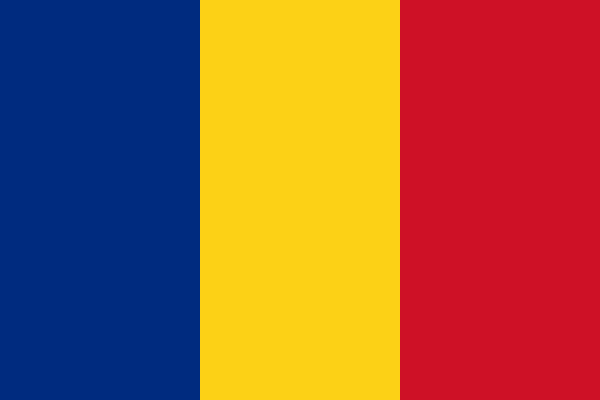 Roumanie
The general picture. The country is comfortable for walking around on your own, including at night.
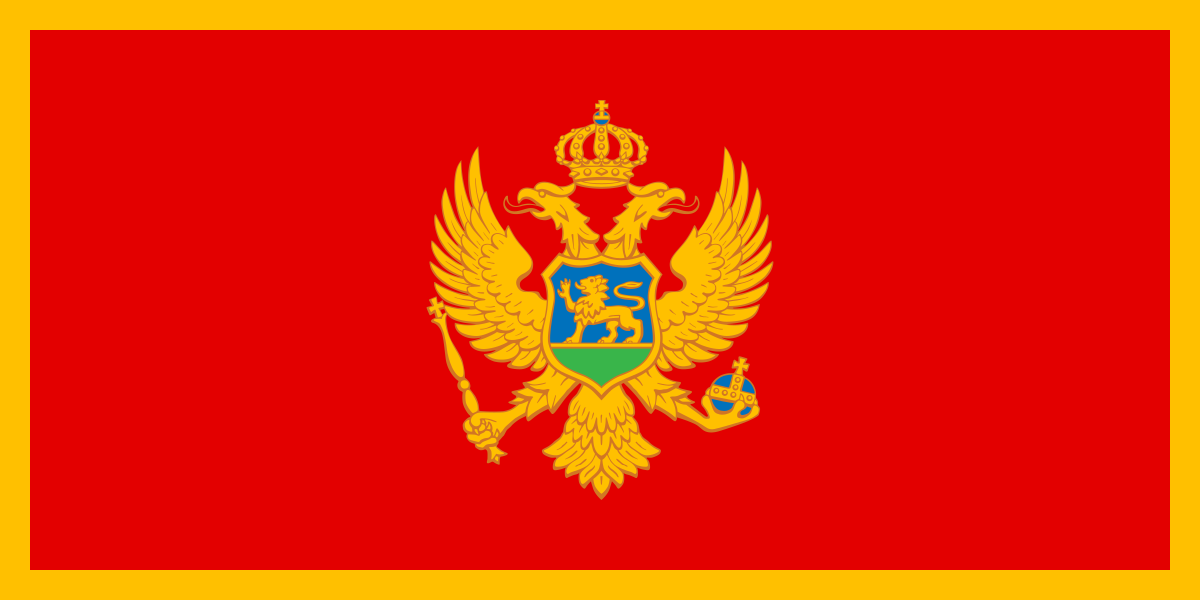
The general picture. The country is extremely safe and walking at night is comfortable even in remote districts.
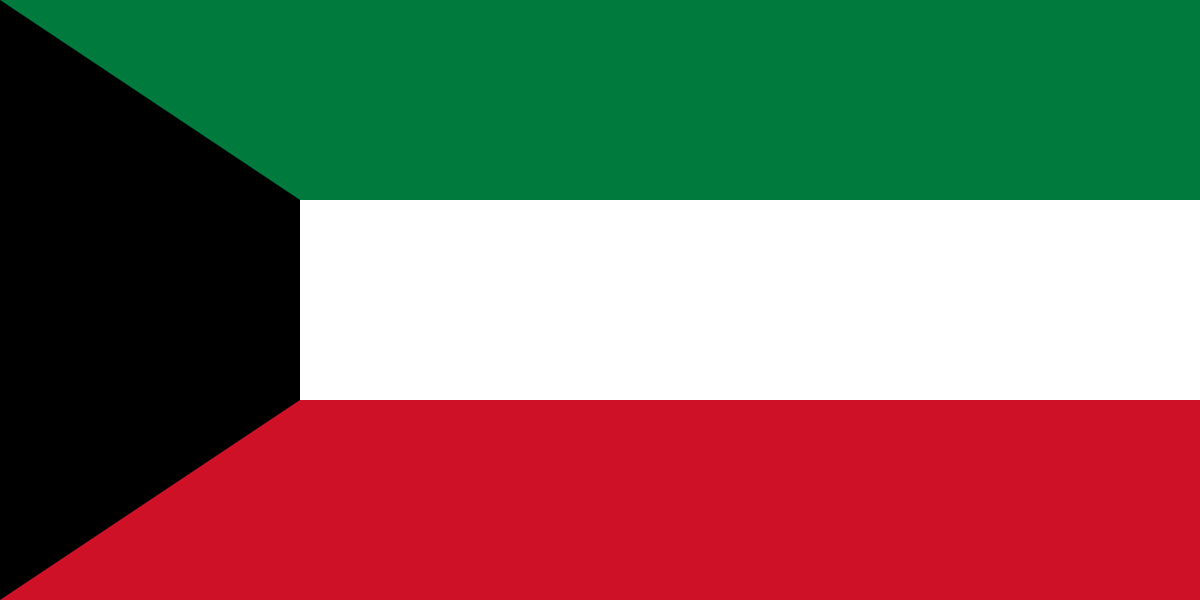 Koweït
Kuwait is one of the safest countries in the world for visitors, women included.
 Irlande
Ireland is one of the safest countries in Europe for independent travel.
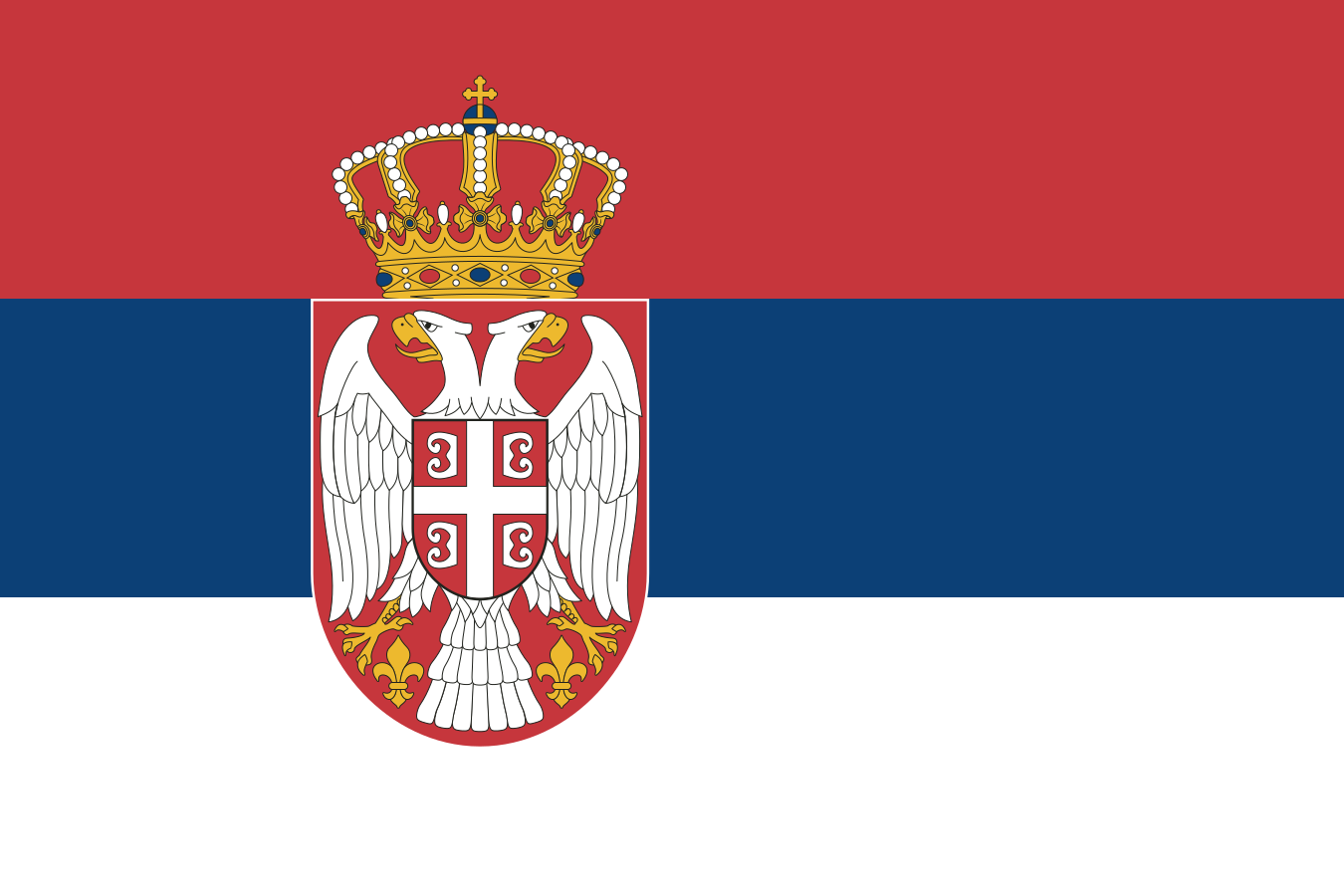 Serbie
Serbia is an exceptionally calm and safe country.
 Malte
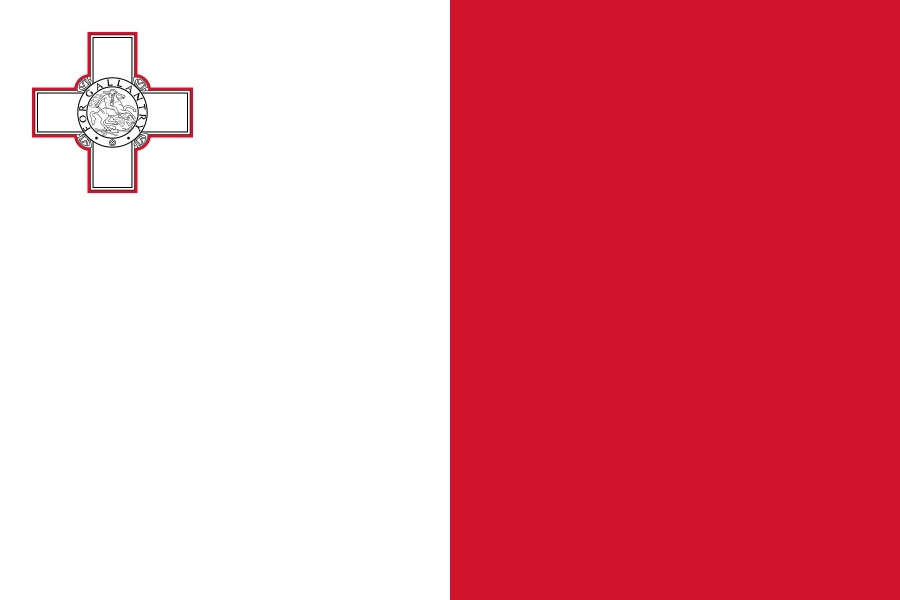
MalteMalta is one of the calmer countries in Europe and walking at night is genuinely fine.
 Monaco
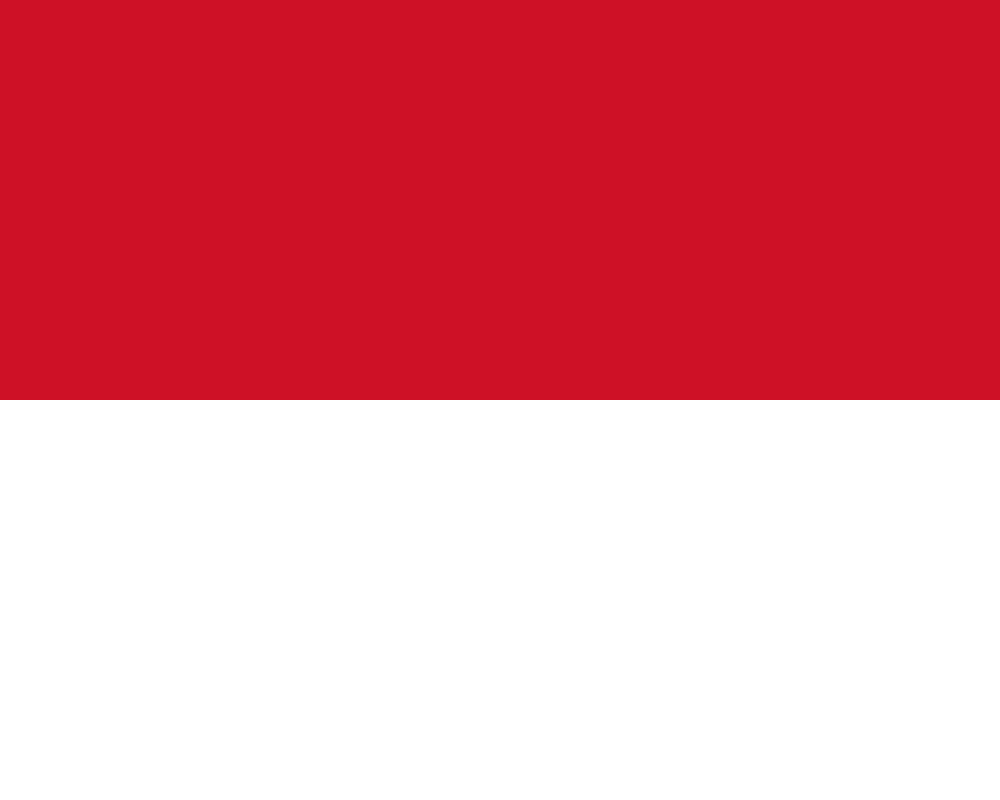
Monaco has the highest density of police officers and surveillance cameras in the world, which makes it safe at any hour.
 Bulgarie
The general picture. Bulgaria is calm, and violent crime against visitors is rare.
 Lettonie
The country is very calm, with a street crime rate below that of many European capitals.
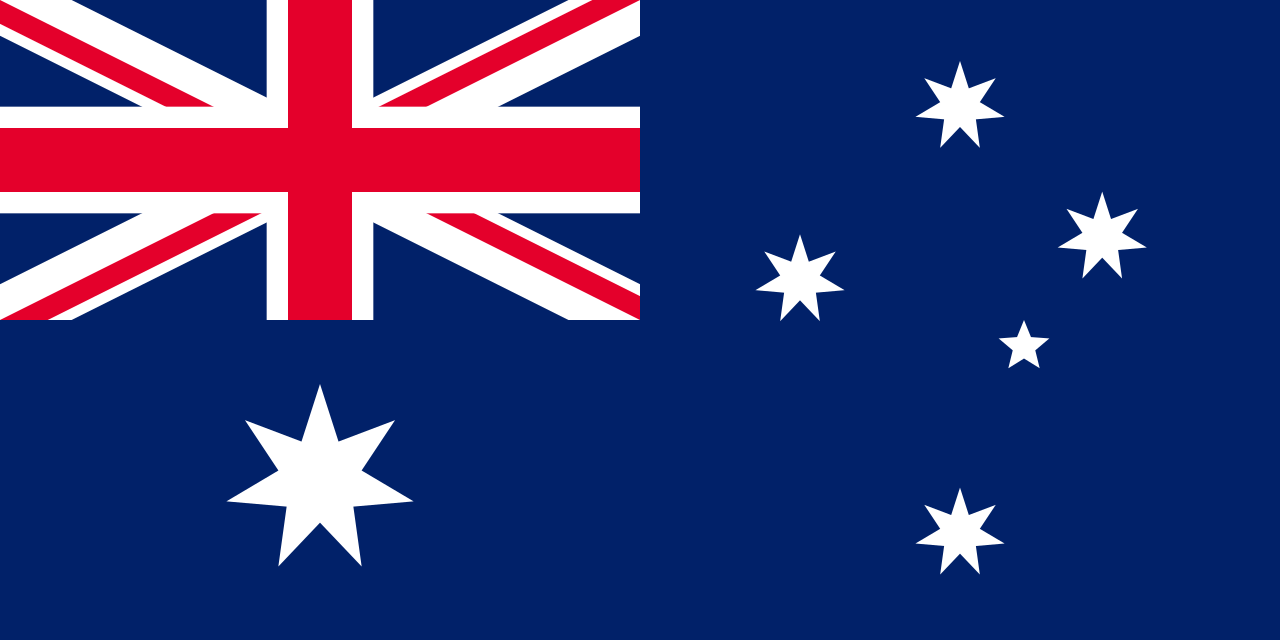
The UV index here is extreme and you can burn in fifteen minutes under cloud.
 Kosovo
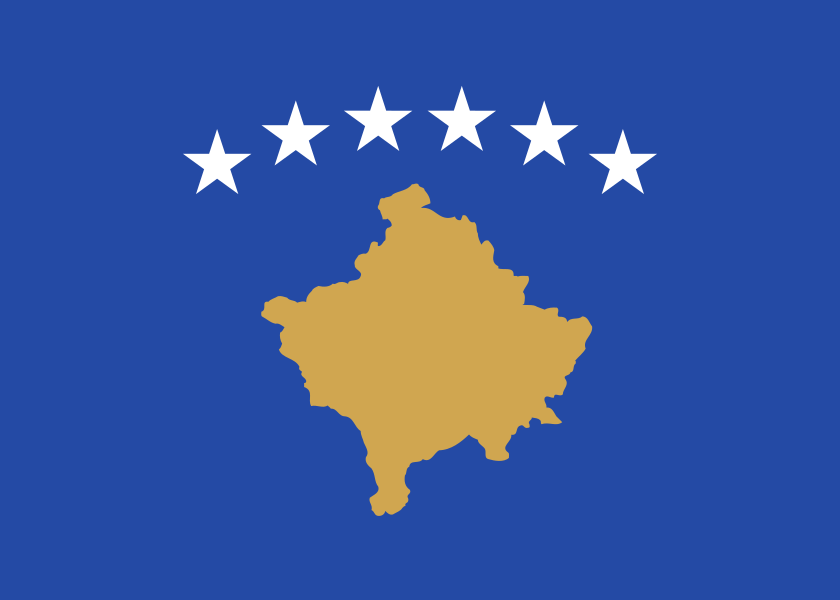
The country is genuinely welcoming and street crime is lower than in most European capitals.
Safety levels are high and you can walk central streets late in the evening without any real worry.
 Canada
The country is one of the calmest in the world and evening walks are entirely normal.
The country has low crime and a genuine warmth towards visitors.
 Belgique
The general picture. Belgium is safe, but stay alert in Brussels and Antwerp.
 Italie
In Rome, Naples and Milan thieves work the stations and public transport hard.
The country is calm and welcoming to independent foreigners.
Scooters are the main source of injury, since the rules are loosely observed.
 Malaisie
The general picture. Malaysia is one of the calmest countries in the region for independent travel.
Landmines. The country's one genuine peculiarity is that mined ground remains in rural areas, so never step off surfaced roads and marked paths.
 Grèce
GrèceThe new border system: the EU's Entry/Exit System now records biometrics for non-EU visitors and passports are no longer stamped.
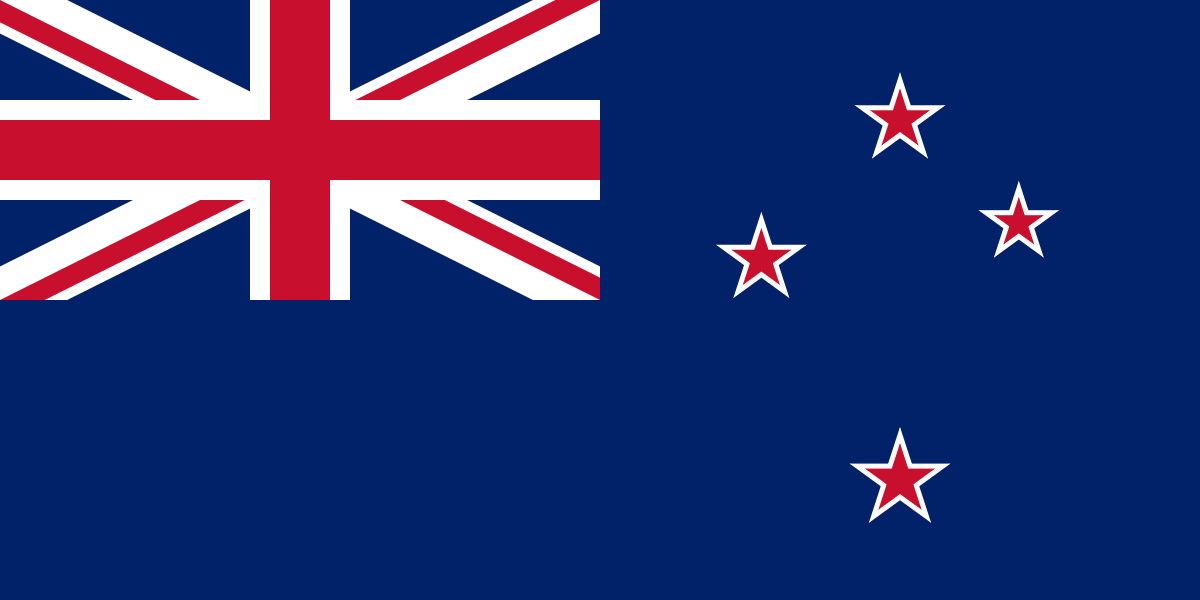
The ozone layer over the country is thinner than over Europe, so you can burn in fifteen minutes under cloud.
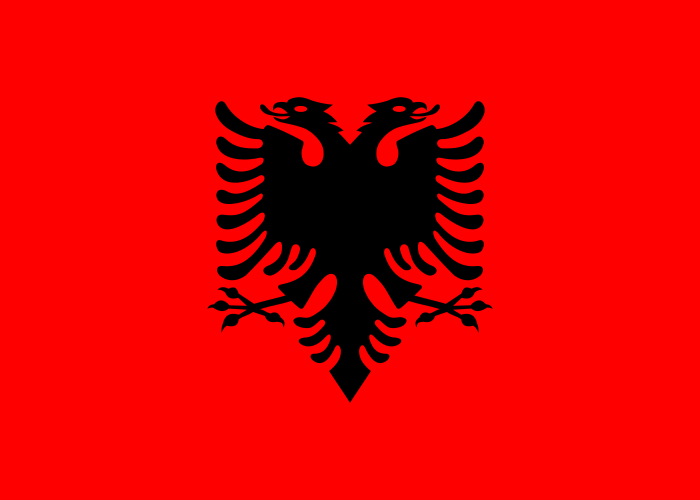 Albanie
Levels are very low and you are safer here than in most European capitals.
 Viêt Nam
The single biggest hazard is the road.
 France
The biggest threat is theft in crowded spots like the Metro or near the Eiffel Tower.
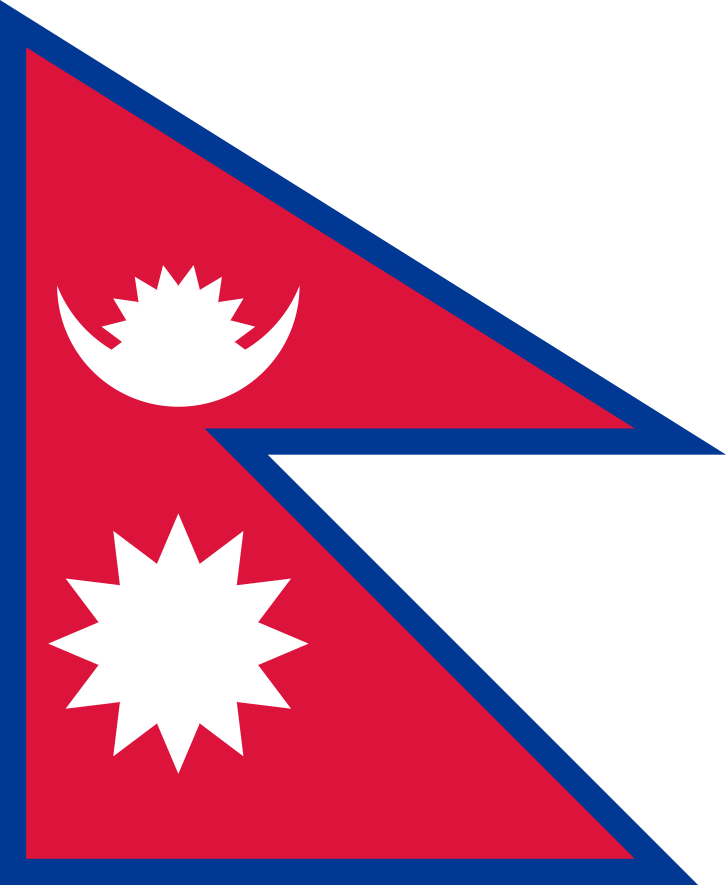 Népal
NépalThis is a real risk above 3,000 metres.
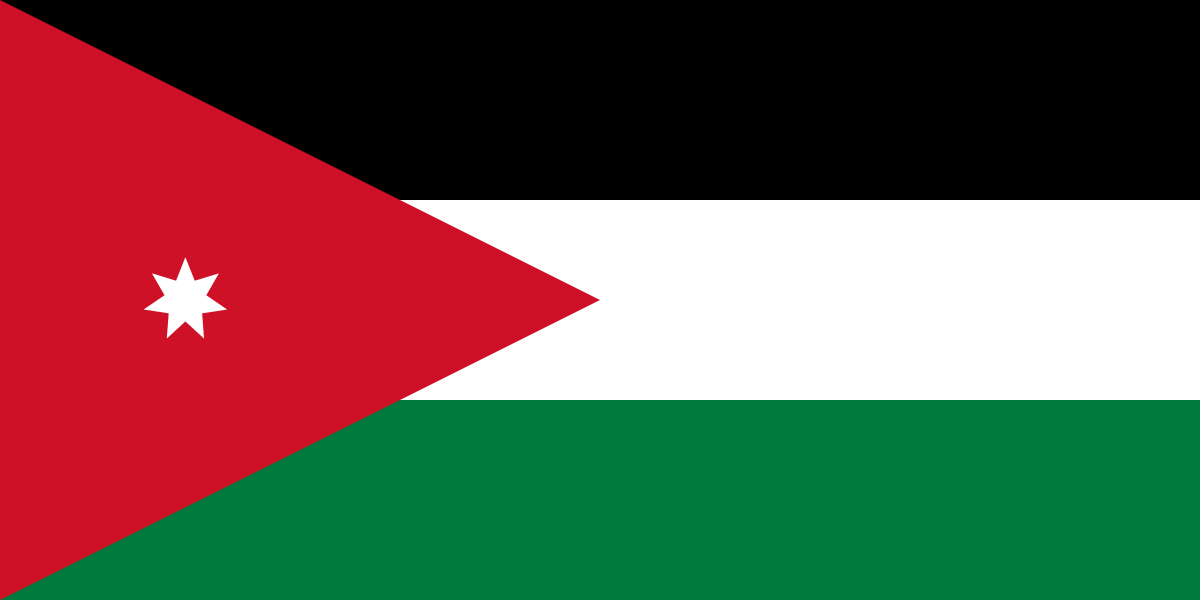 Jordanie
Jordan remains stable despite the neighbourhood, and it is one of the easier countries in the region for independent travel.
Mosquitoes here carry dengue, so use strong repellent during the day as well as at night.
One of the calmer countries in the region for independent travel.
 Maurice
Mauritius is an unusually calm place to travel.
 Cuba
CubaCuba is safe on that front.
 Cambodge
Bag snatching by motorbike is common in the capital and in Sihanoukville.
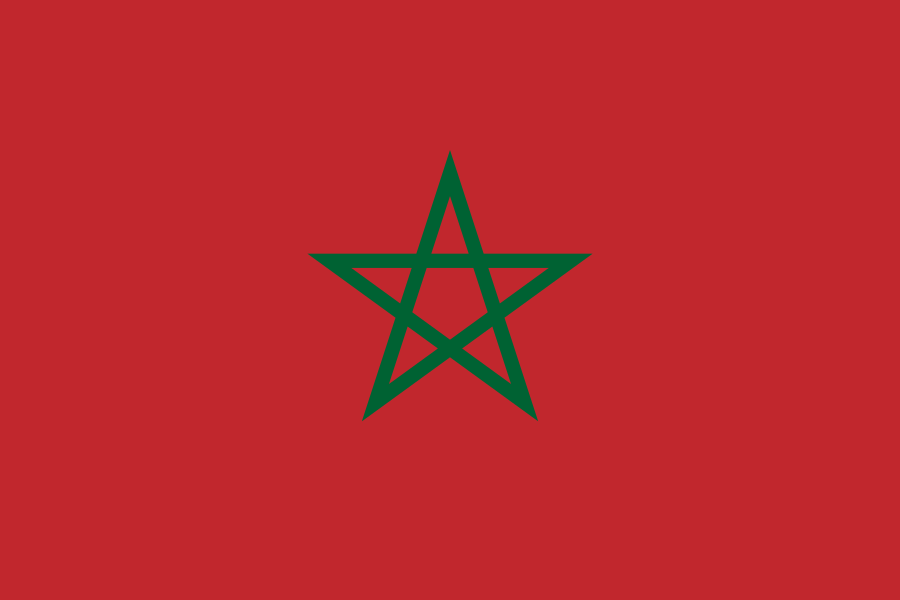 Maroc
MarocPersistence: the main irritation is fake guides and self-appointed helpers.
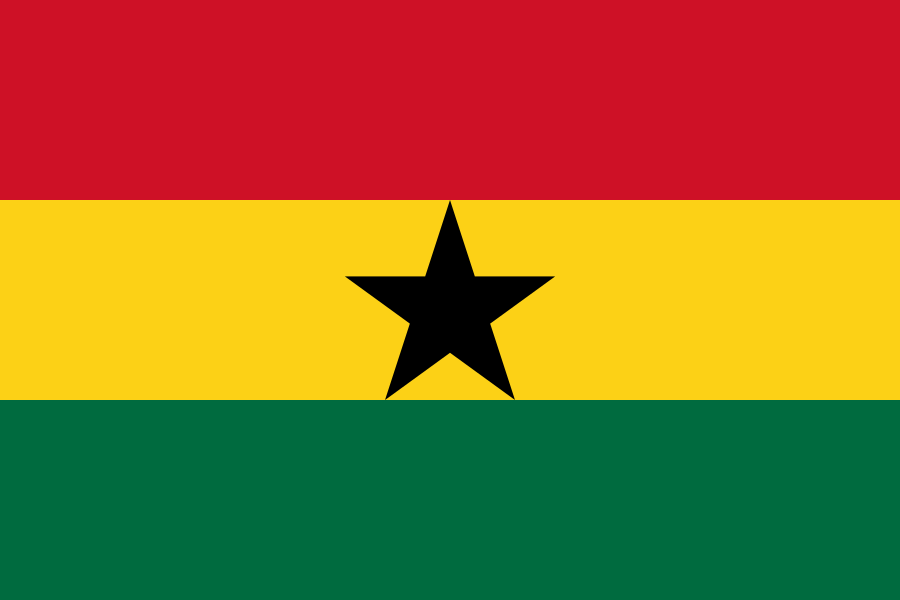 Ghana
GhanaGhana is among the calmest countries in the region.
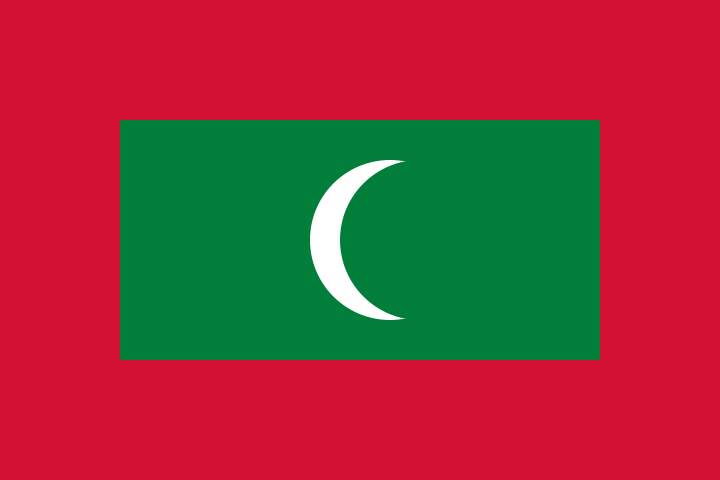 Maldives
The sun at the equator is incredibly strong and will burn you even on cloudy days.
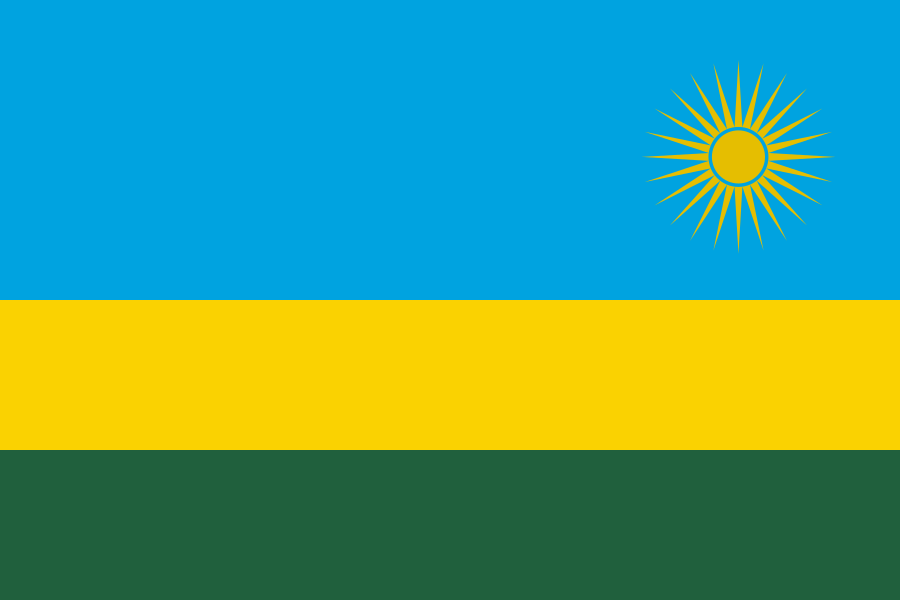 Rwanda
This is one of the safest countries on the continent, and walking around after dark is entirely normal.
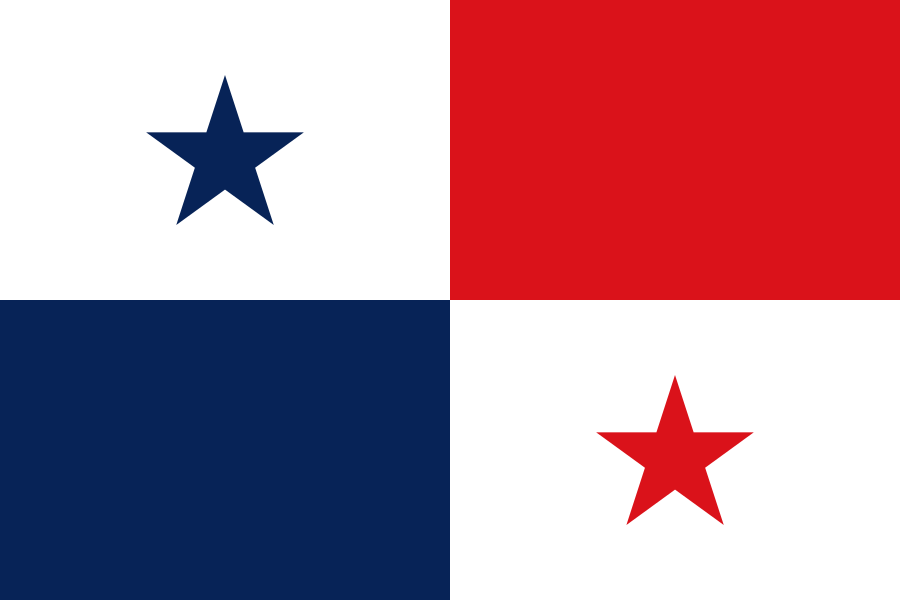 Panama
Districts to avoid: stay out of El Chorrillo and Curundú in the capital, even in daylight.
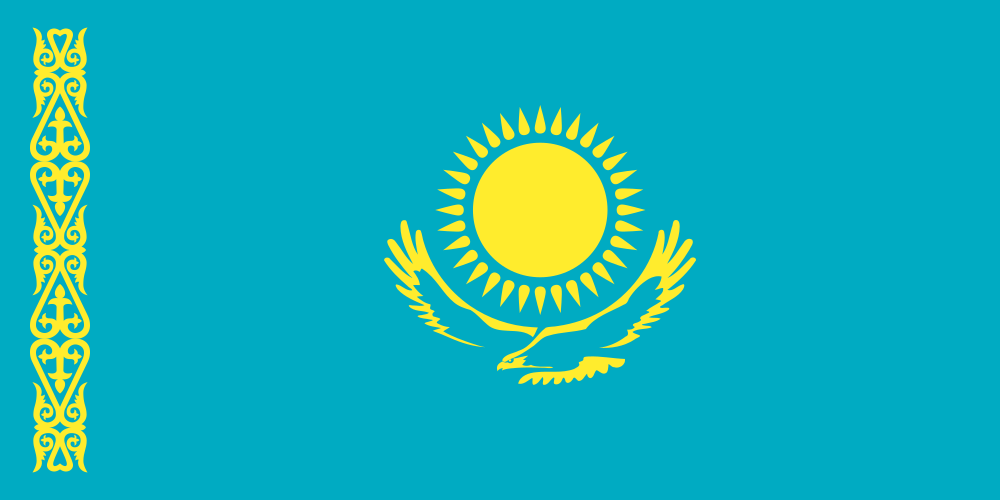
Kazakhstan is a calm destination for independent travel, including for women travelling alone.
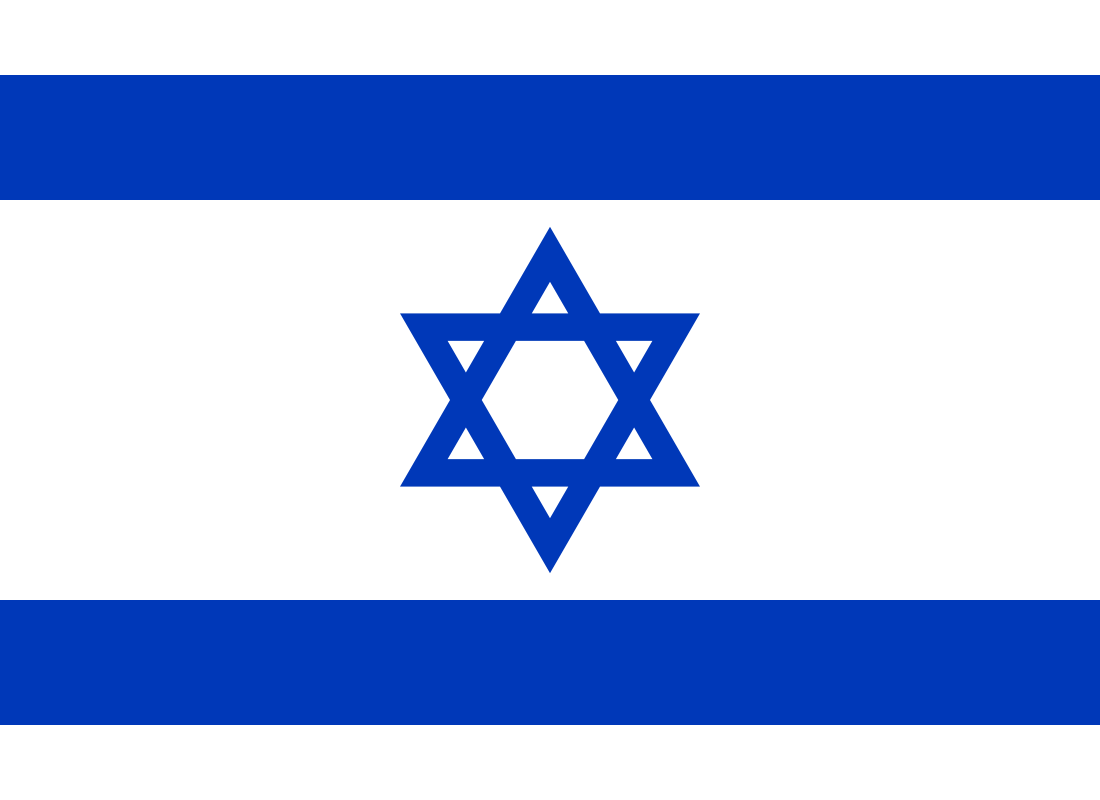 Israël
Israel lives in a state of permanent readiness, so armed personnel and bag checks at mall entrances are ordinary.
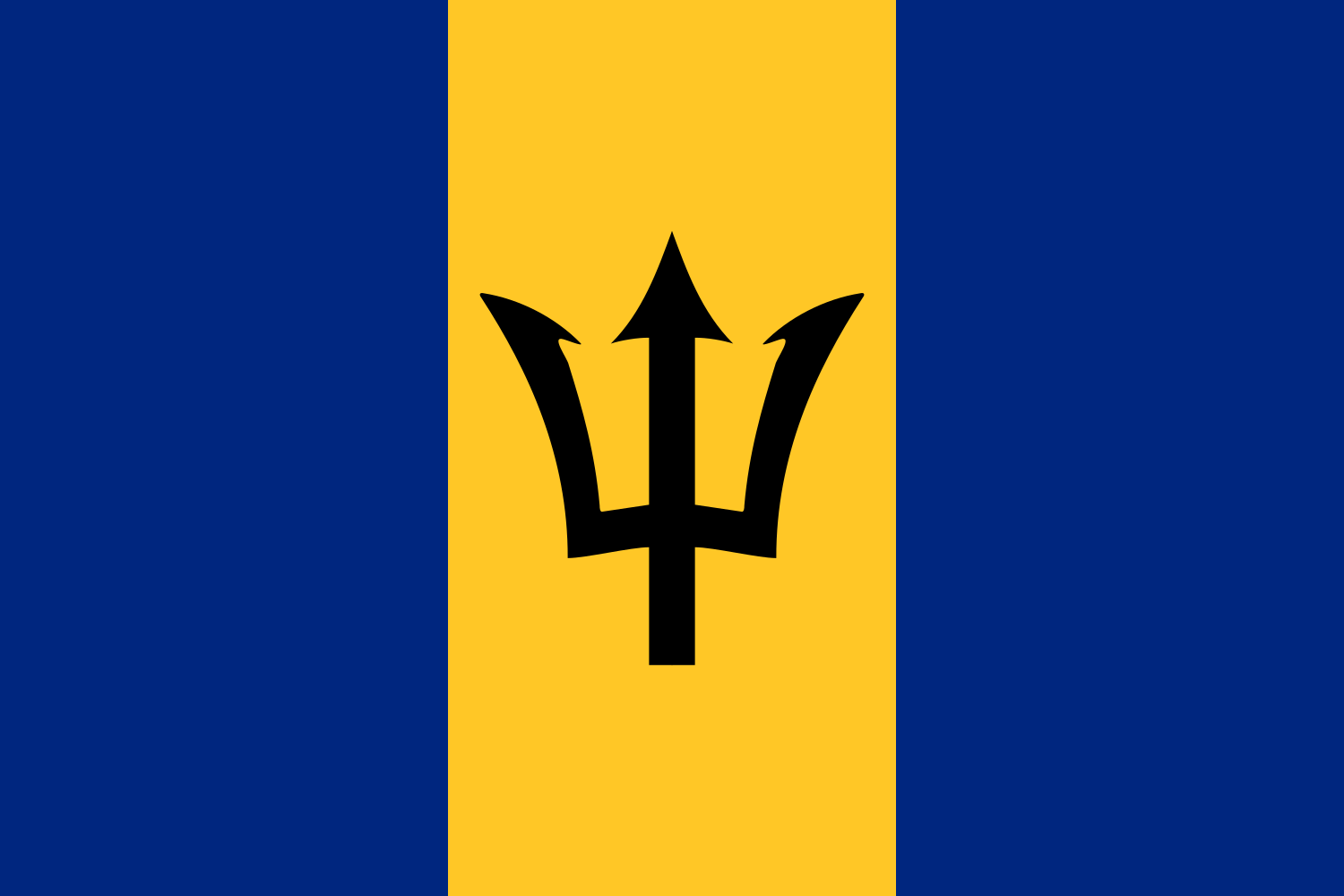 Barbade
Barbados is among the calmest islands in the Caribbean.
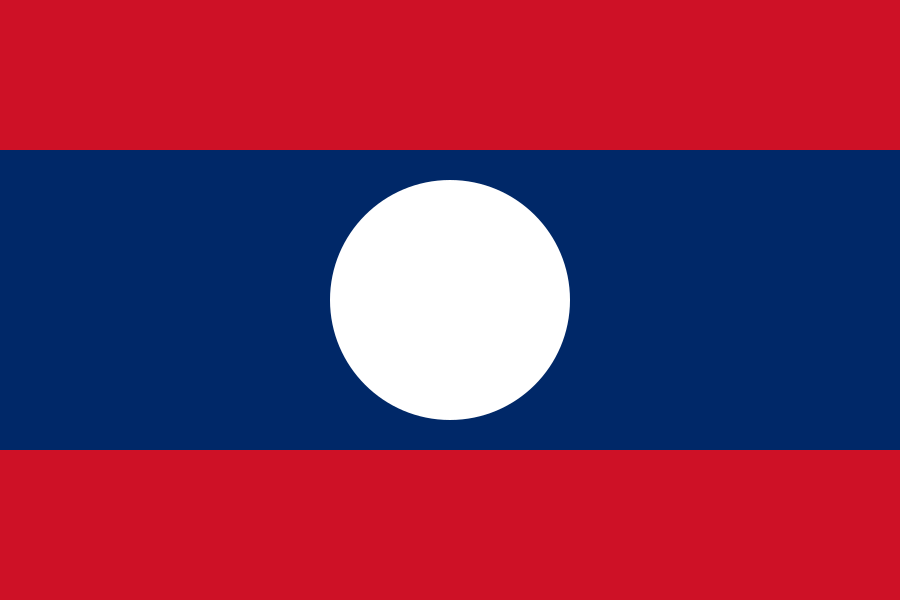 Laos
LaosLaos remains one of the most heavily contaminated countries in the world from past wars.
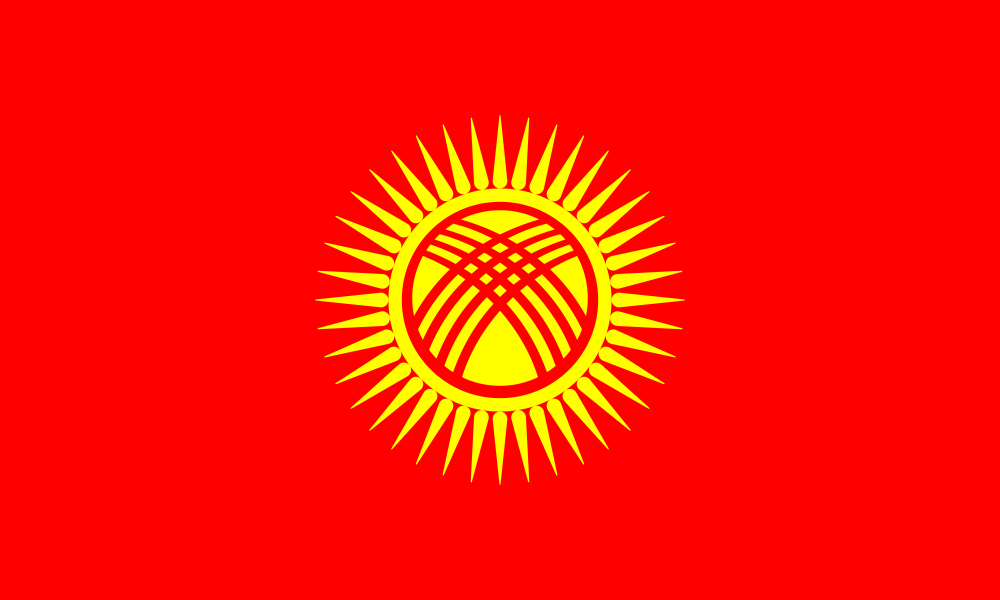
The country is welcoming and generally calm for visitors.
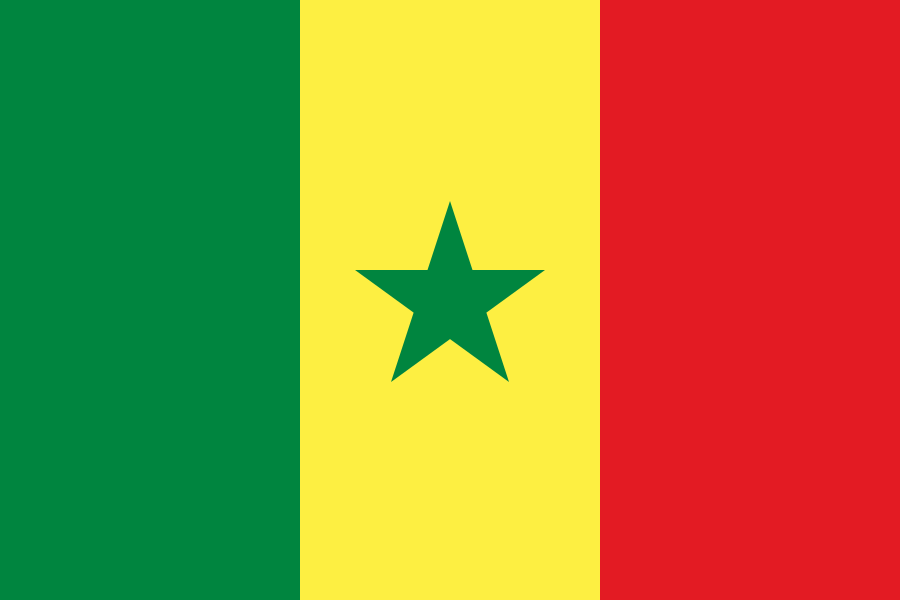 Sénégal
Senegal is one of the calmest countries in the region, with a famously peaceable population.
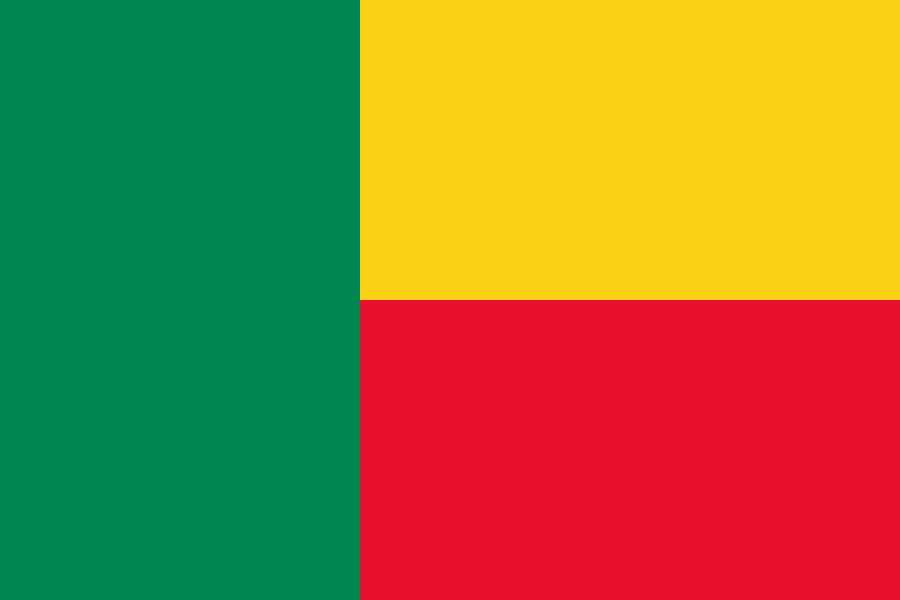 Bénin
BéninThe north. Do not travel to the northern districts bordering Burkina Faso and Niger.

Personal safety varies block by block rather than city by city.
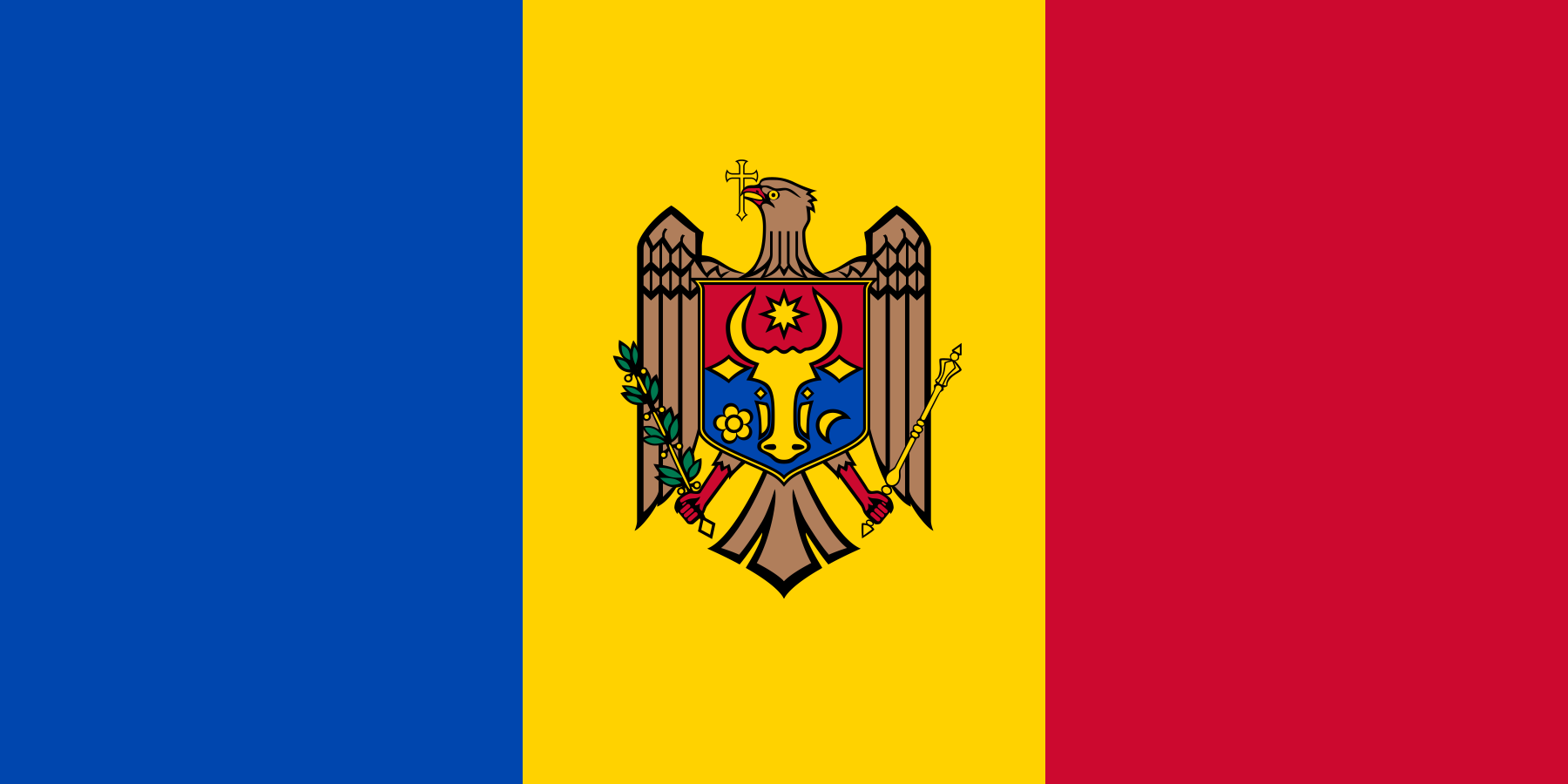 Moldavie
Moldova is a calm country and visitors are treated warmly.
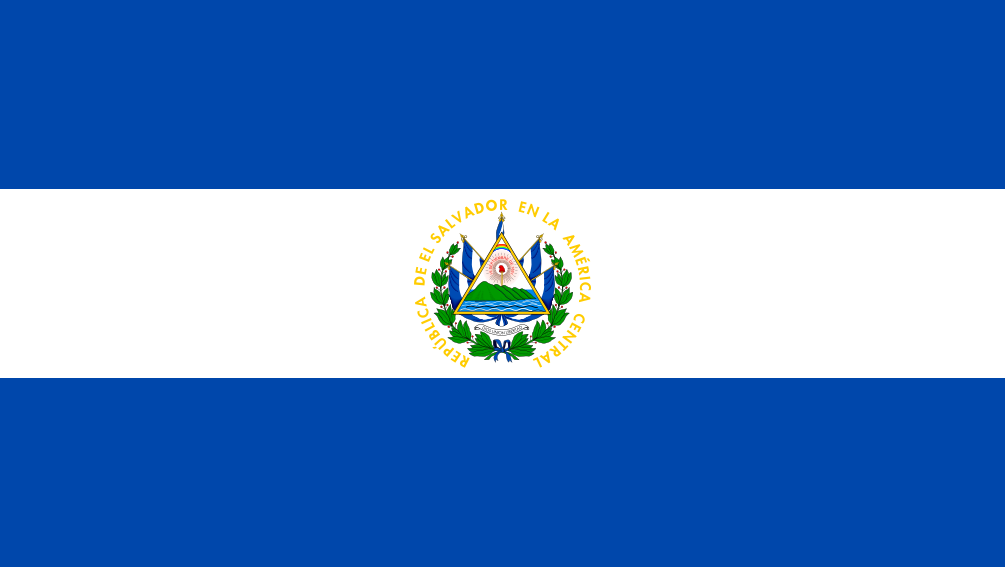 Salvador
Crime has fallen dramatically in recent years and the country is now calmer than its neighbours.
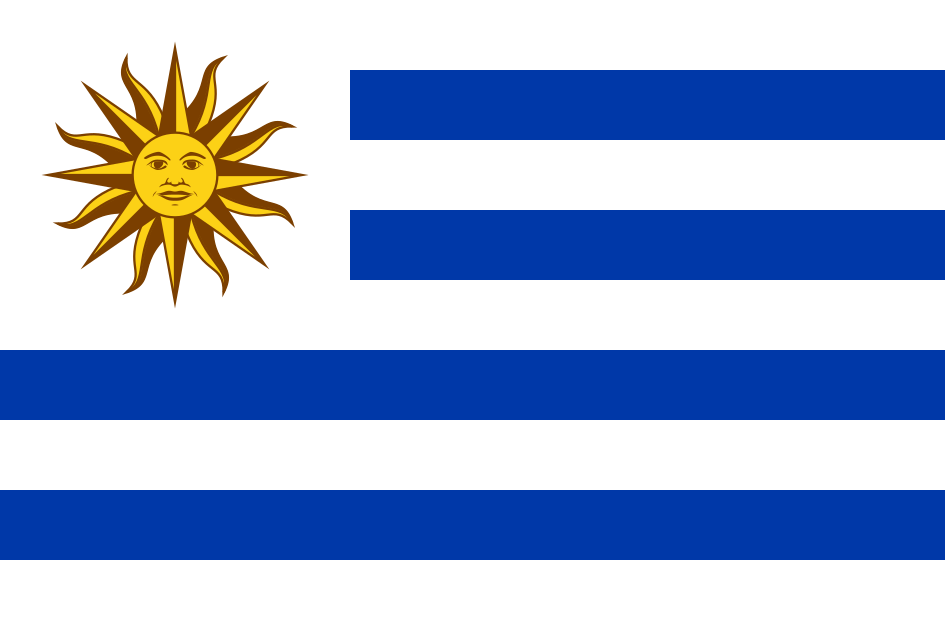 Uruguay
This is one of the calmest countries in the region, though that is not a reason to switch off.
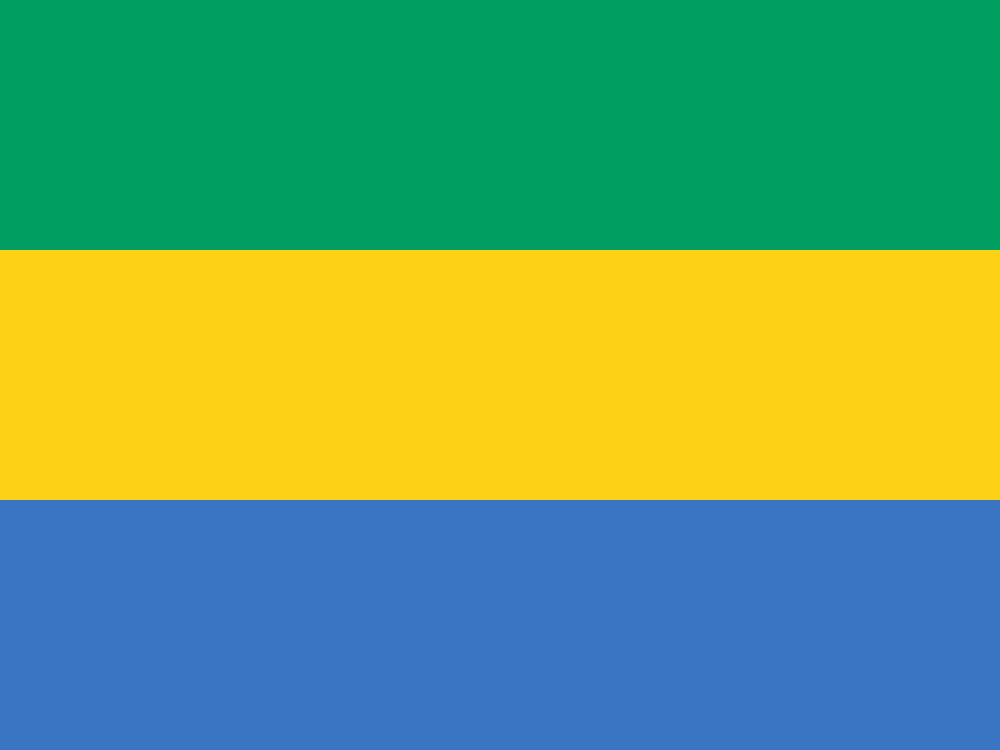 Gabon
GabonGabon is one of the calmer countries in the region, but Libreville and Port-Gentil still need attention.

The biggest threat in the country is the road accident rate.
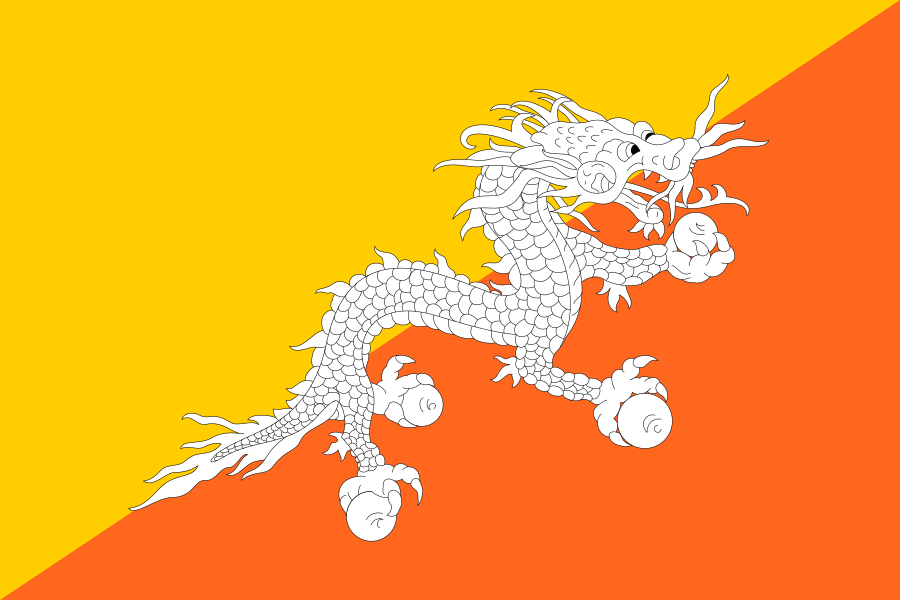 Bhoutan
The general picture. One of the calmest countries in Asia, with no hostility towards visitors at all.
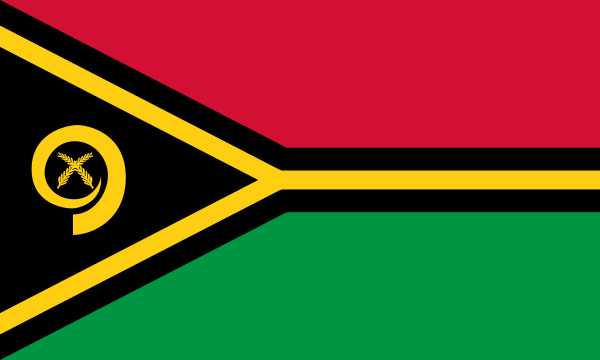 Vanuatu
Vanuatu is one of the calmest countries in the Pacific, with very little crime.
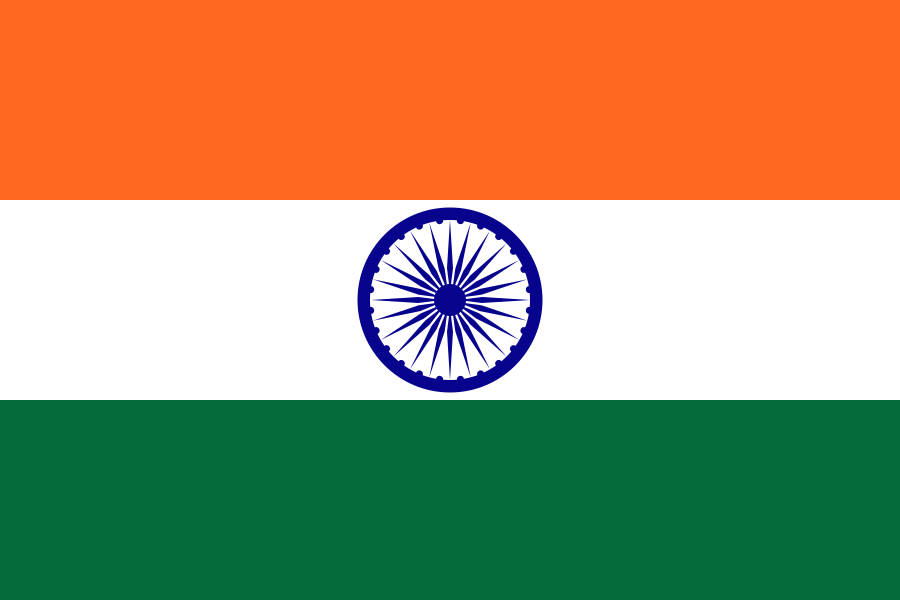 Inde
IndeBe ready for lines like "the road is closed" or "your hotel burned down".

Malaria: it is a genuine and constant risk, so antimalarial tablets and repellent matter more than anything else you pack.
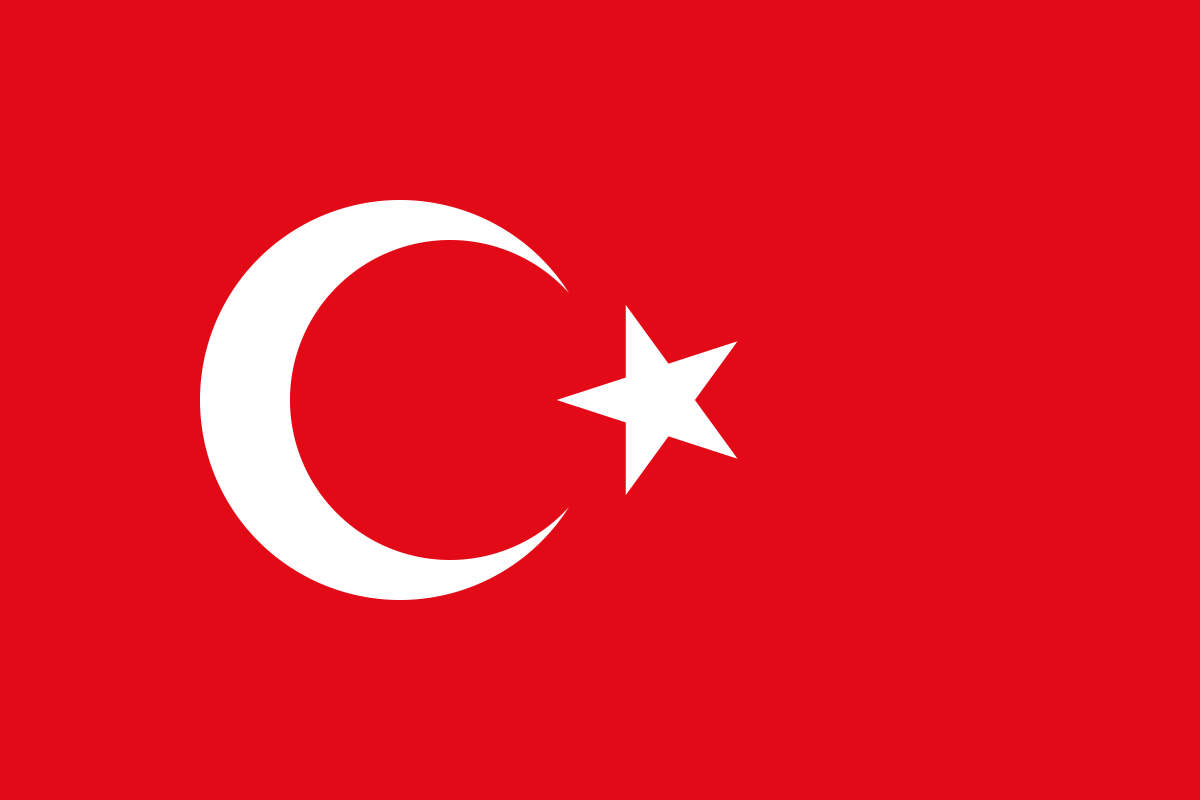 Turquie
Taxis: the main threat to your wallet.
Street theft: in Manila wear your backpack on your front and keep expensive phones out of sight.
 Mongolie
In the city. Watch for pickpockets in Ulaanbaatar markets and on buses.
The Seychelles are very safe, but do not leave valuables unattended on a beach.
 Chili
ChiliChile is considered safe, but do not switch off entirely.
The country is generally safe for visitors, though it pays to stay alert.
 Malawi
Theft. The country is among the calmest in the region, but pickpockets work the busy markets.
 Togo
TogoPickpockets work the crowded districts of Lomé and the central markets hard.
The principality ranks among the safest places on the planet, and theft is genuinely rare.
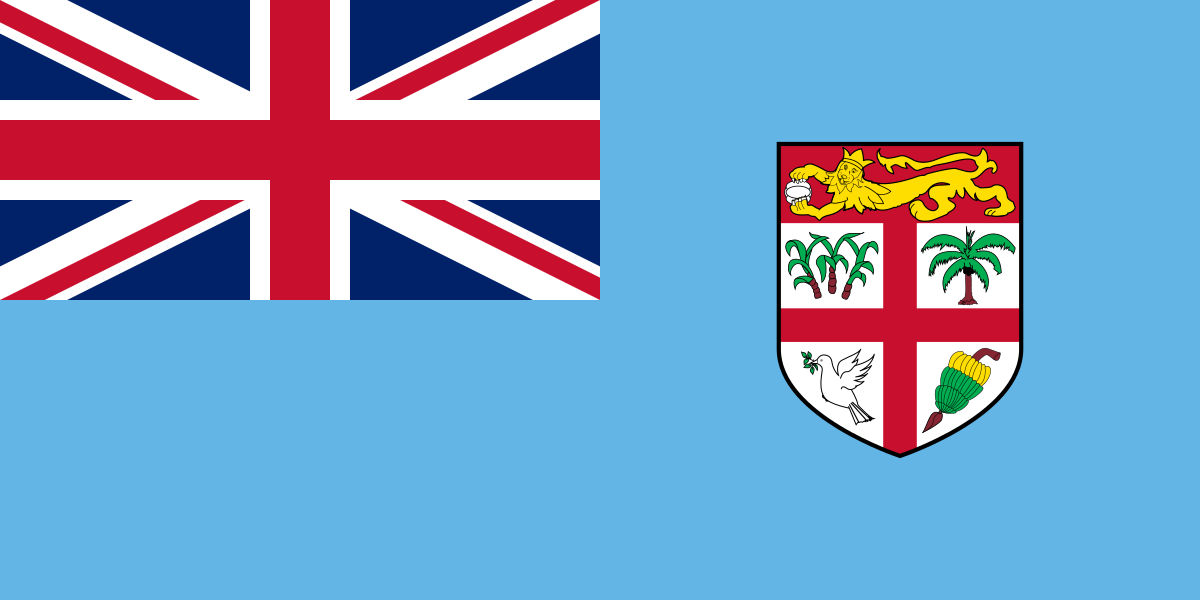 Fidji
FidjiIn the towns: crime is moderate, but don't walk alone in Suva or Nadi after dark.
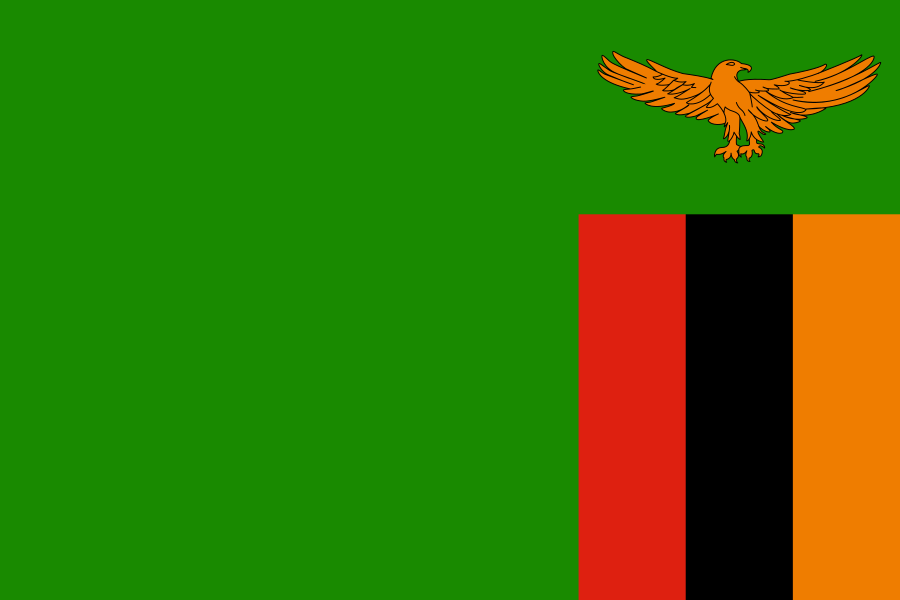 Zambie
Zambia is one of the most peaceful countries in the region and there is no general sense of disorder.
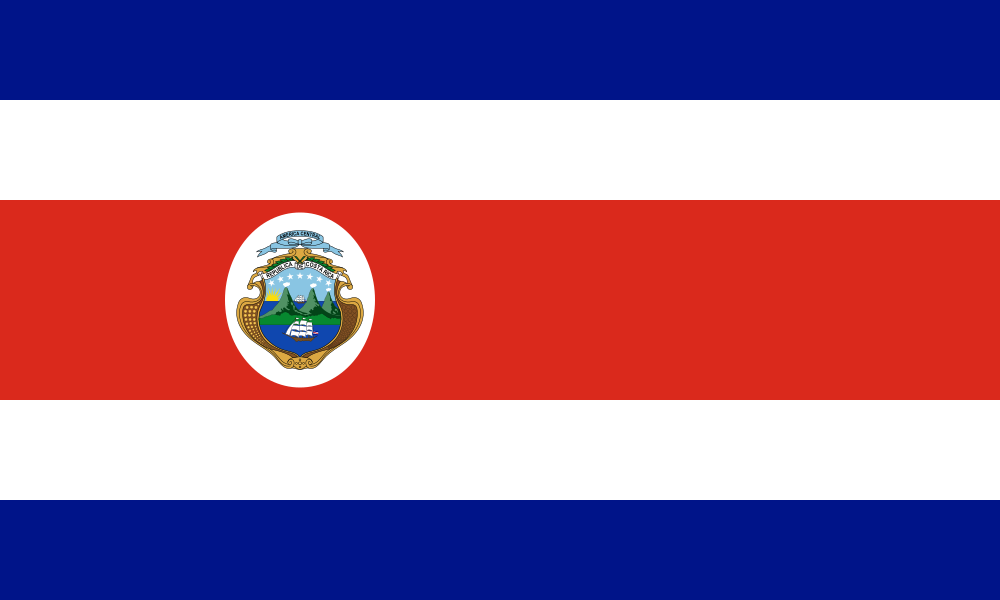 Costa Rica
Petty stealing from beaches and parked cars is the main problem.

The tourist south and the centre are broadly fine, but avoid travel towards the northern frontier.
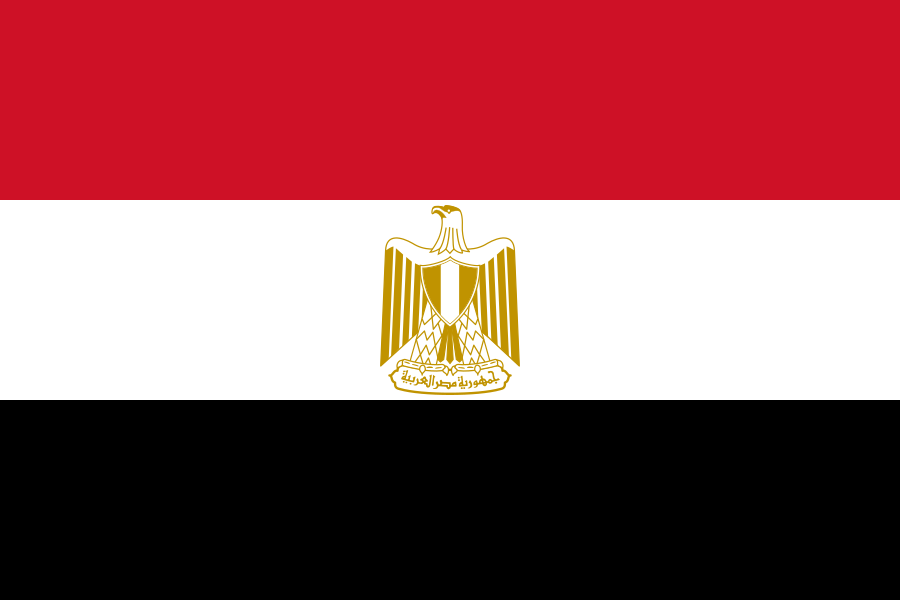 Égypte
The main risk is the persistent "helpers" around the pyramids.
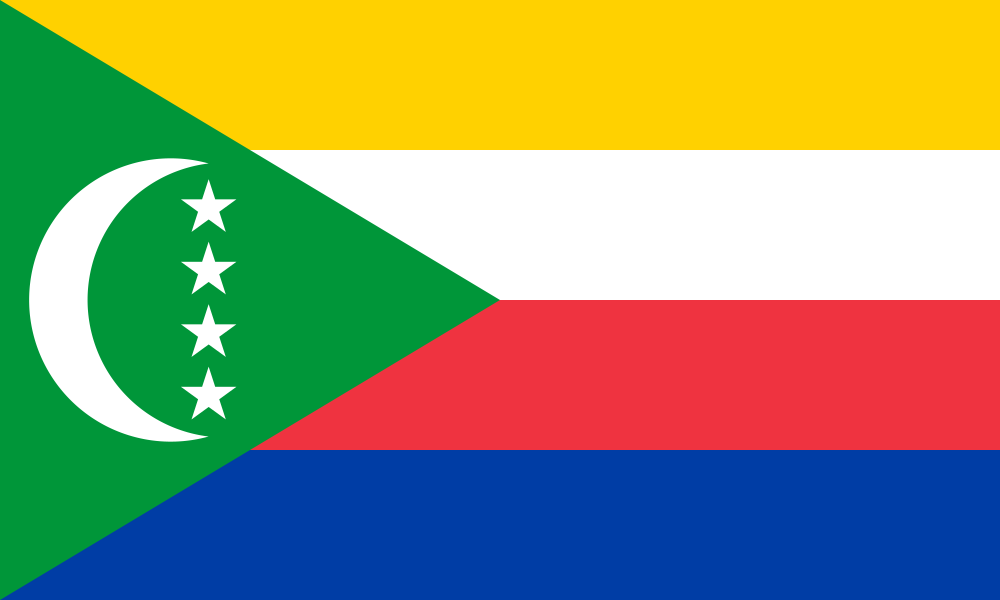 Comores
Comorians are peaceable and serious incidents are rare.
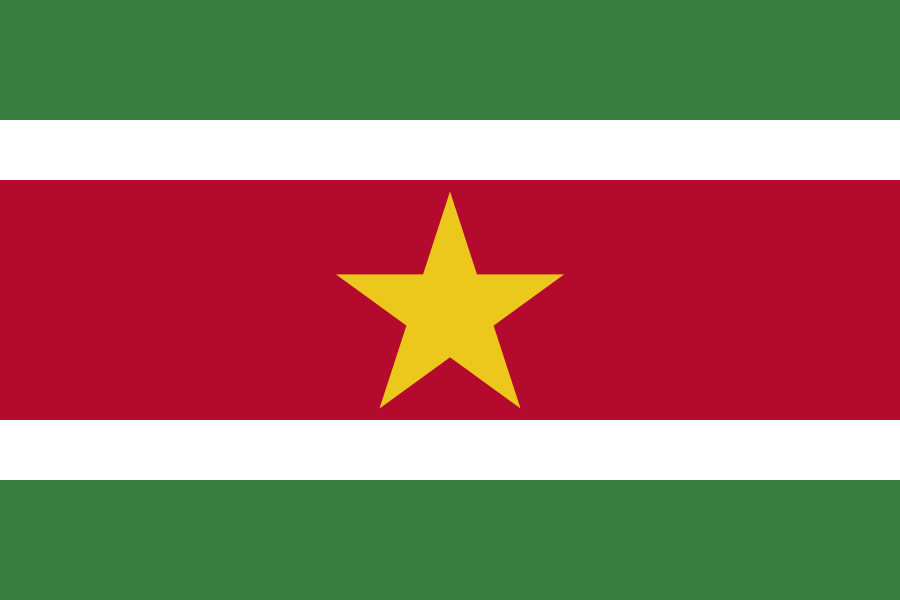 Suriname
After dark: do not walk alone through the Palmentuin park or the empty lanes of the historic centre once the sun goes down.
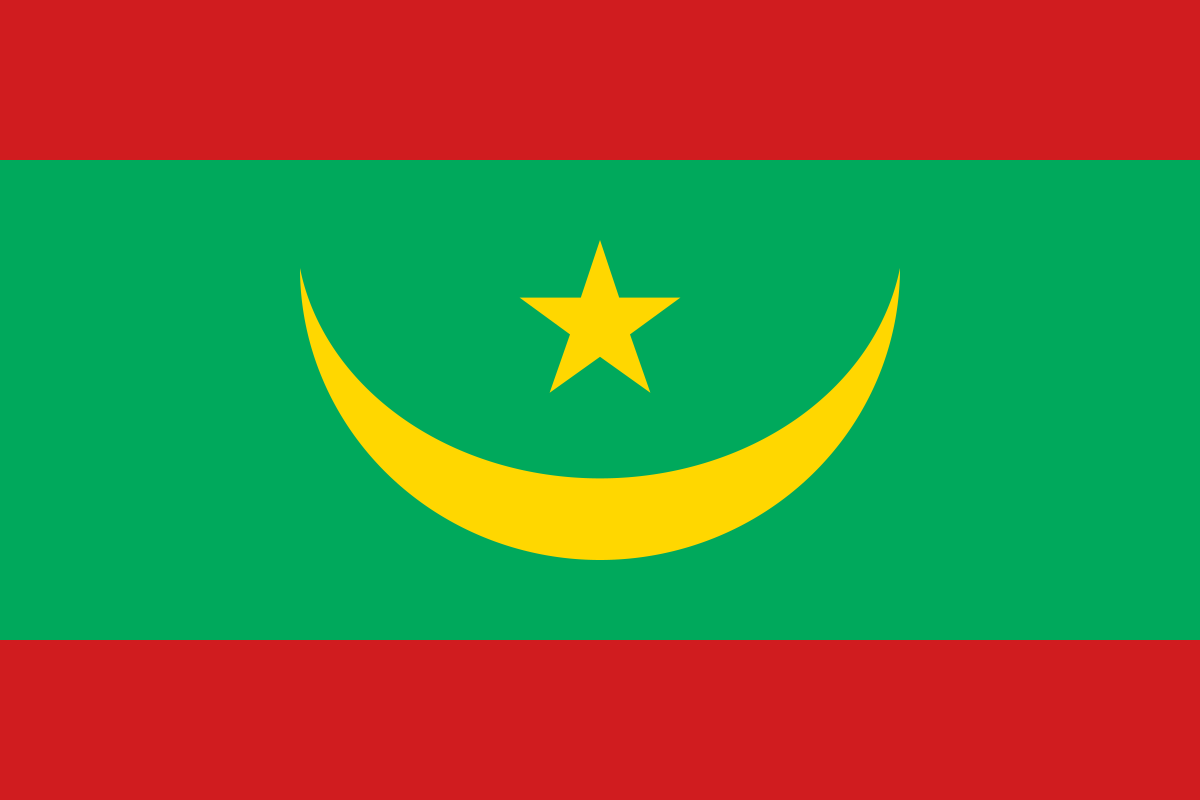 Mauritanie
Stay away from the border with Mali, where armed groups remain active.
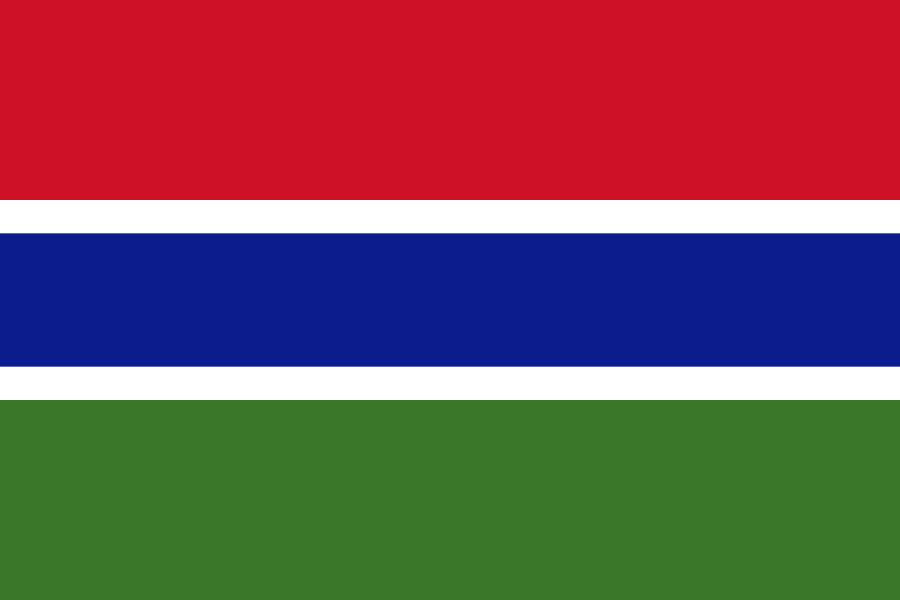 Gambie
The Gambia is among the calmest countries in the region and the friendliness is not an act.
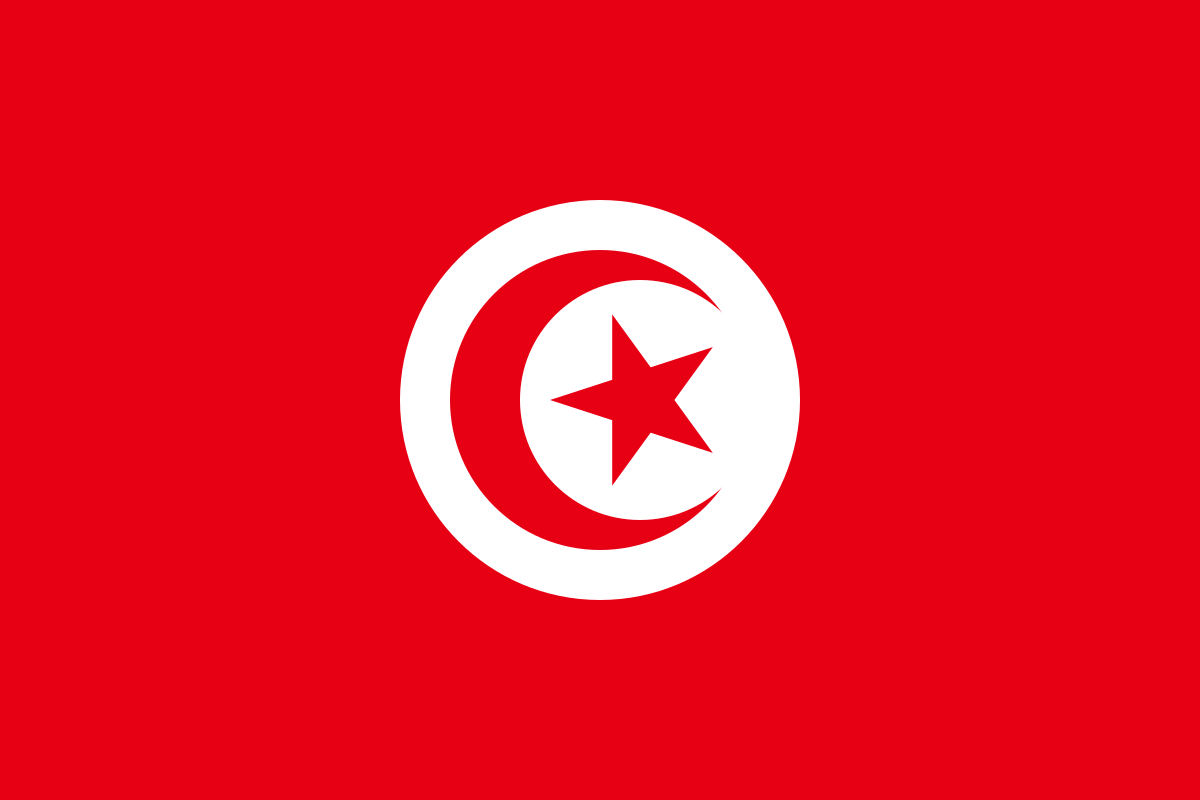 Tunisie
Tunisia is welcoming and safe for anyone applying basic common sense.
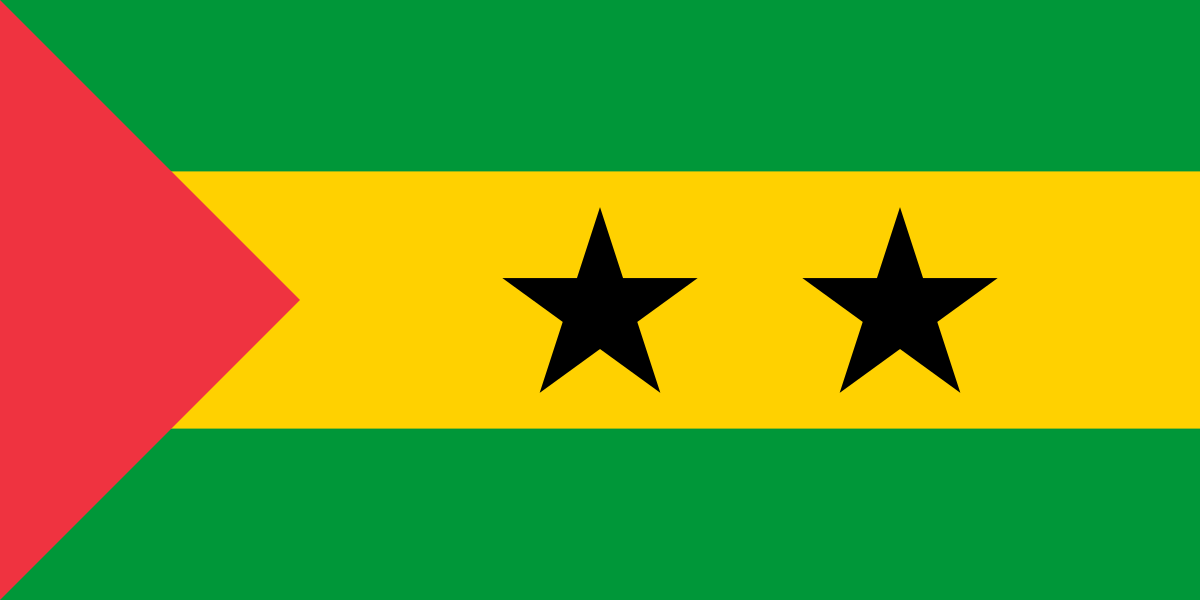
The country is very calm, with almost no violent crime.

Dili shuts down after nine in the evening and the streets empty out.
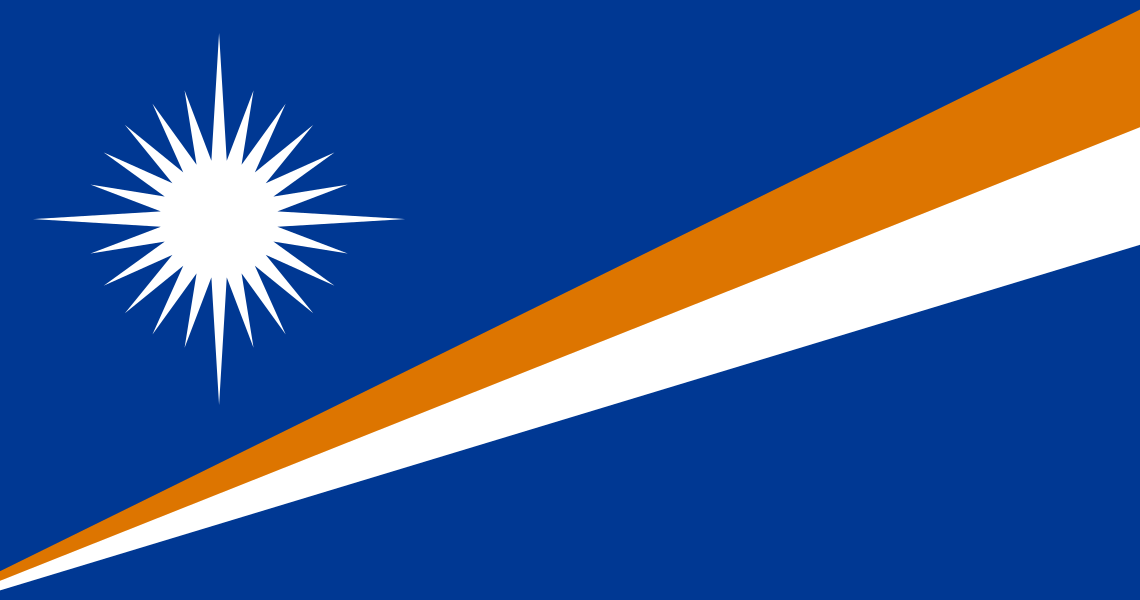
Crime levels are low, though petty theft happens in the busier parts of Majuro.
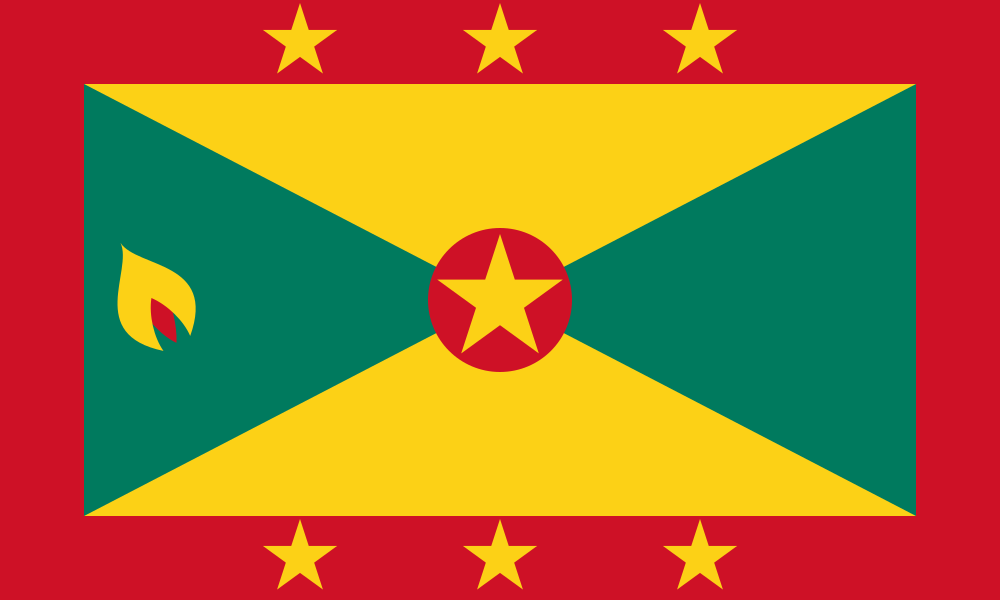 Grenade
Grenada counts as one of the calmest places in the region, with genuinely friendly people.
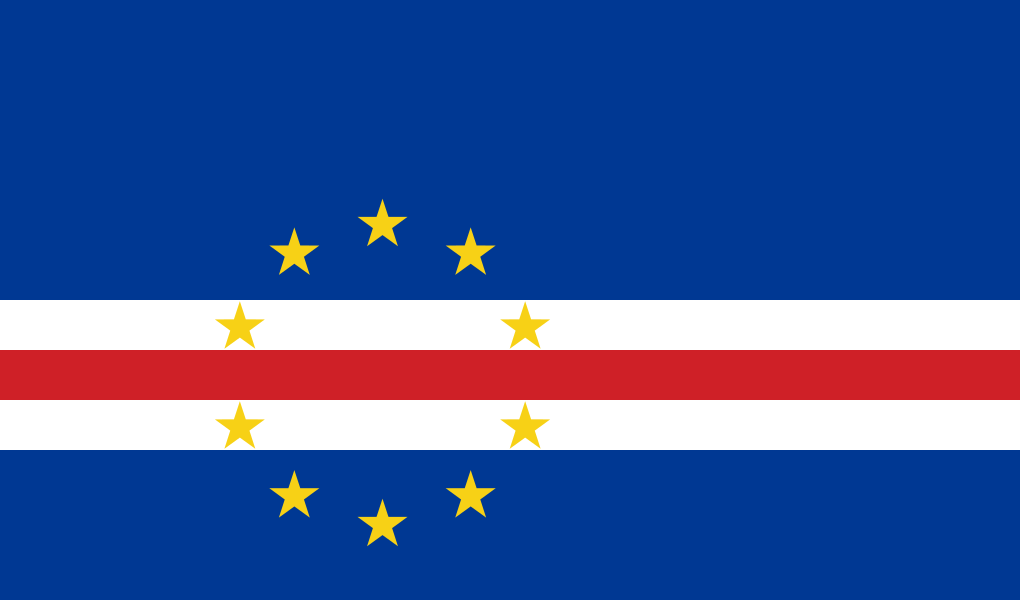 Cap-Vert
The biggest danger on these islands is the rip currents, which drag even strong swimmers out to sea.
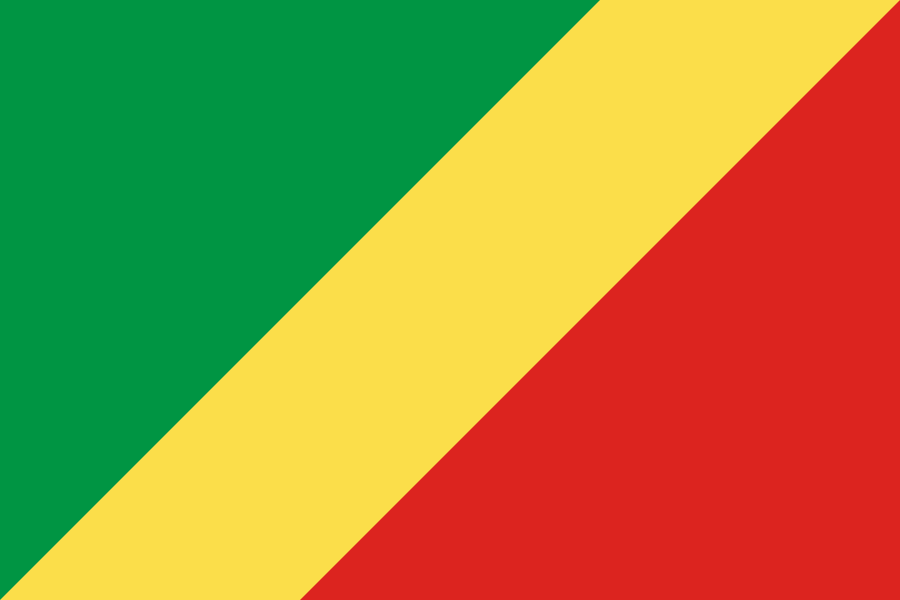
The Republic of the Congo is one of the steadier countries in the region, but do not switch off.
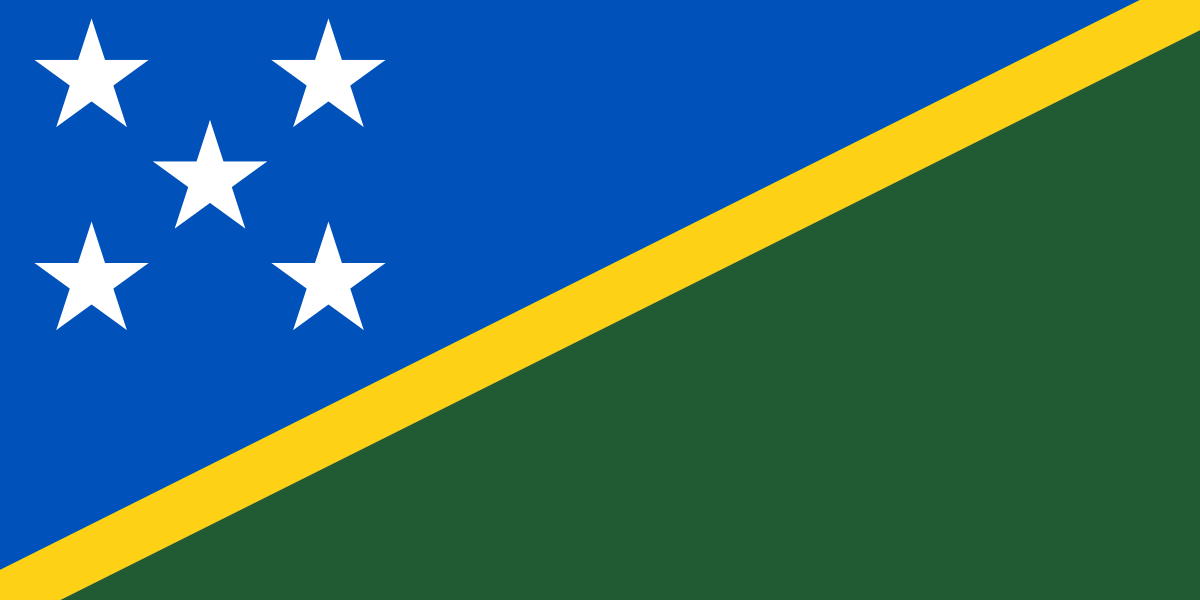 Îles Salomon
Stay alert in the capital, particularly after dark near the markets and the port.
 Tonga
TongaCrime in the kingdom is extremely low and you can walk around at any hour.
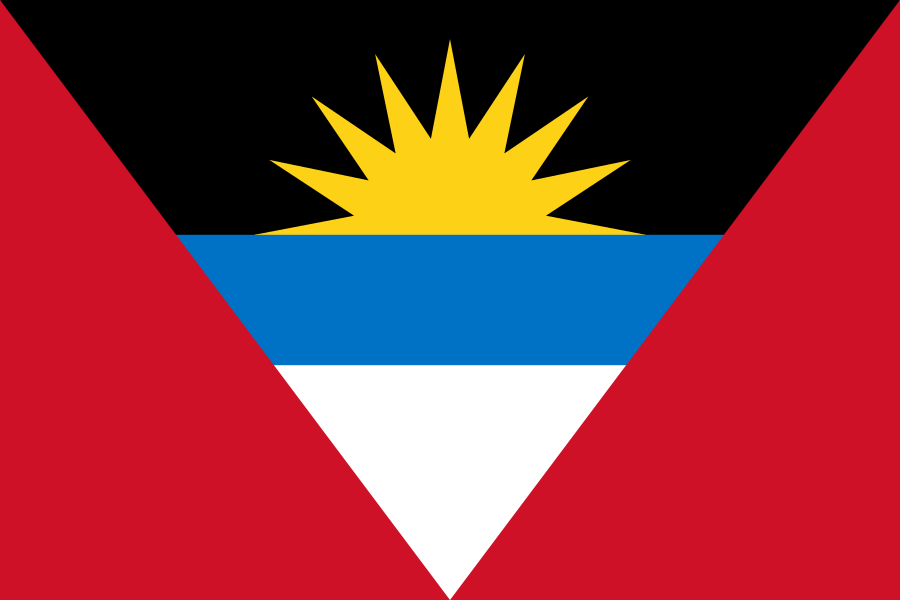
This is one of the calmer countries in the region, but do not switch off entirely.
 Botswana
The general picture. Botswana is rightly considered the calmest country in the region.
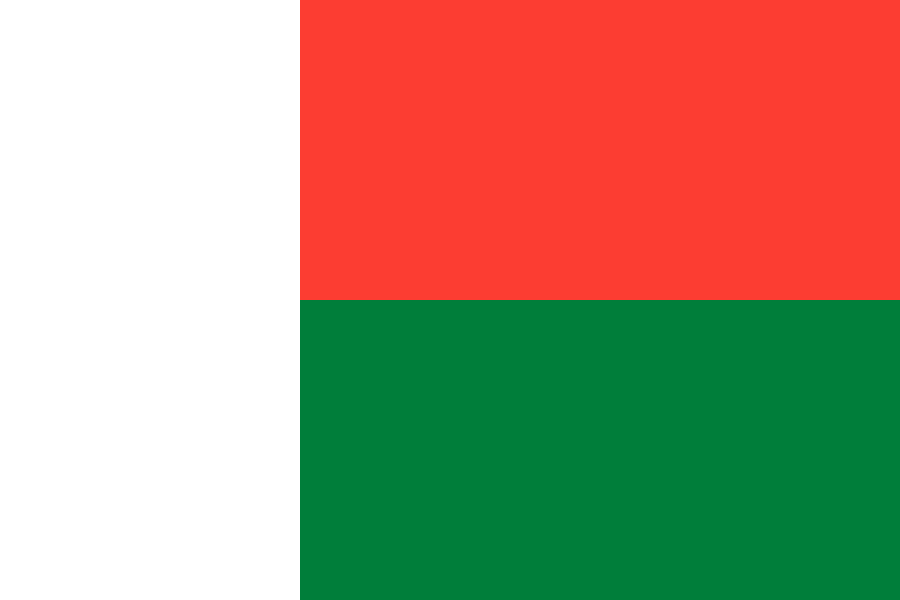 Madagascar
The first rule is never to be on the highway after dark.
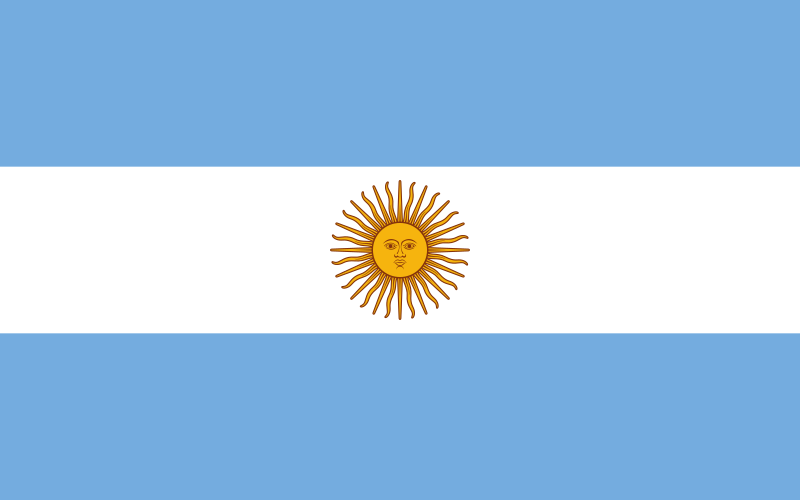 Argentine
Petty theft is a real problem in the big cities.
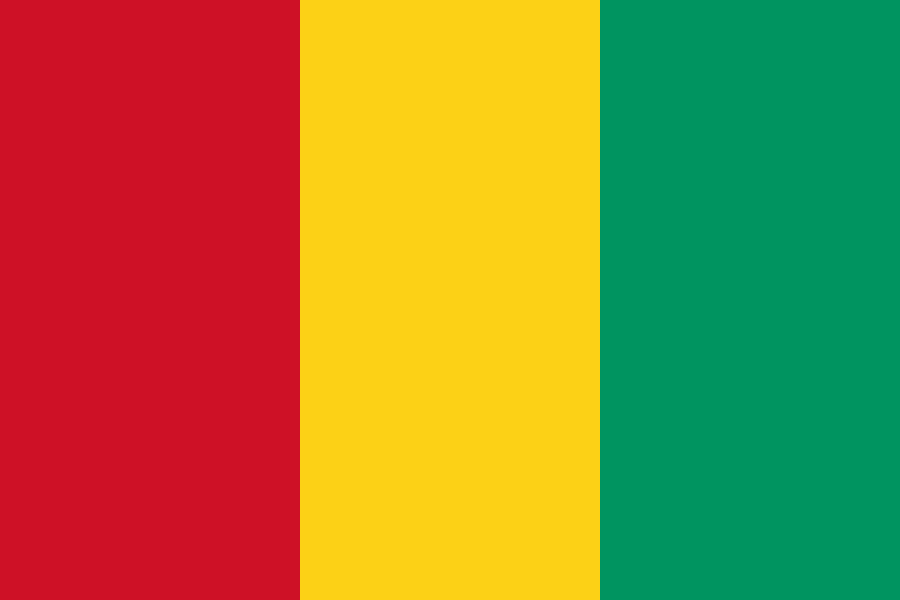 Guinée
Guinea is friendly on the whole, but Conakry calls for some care.
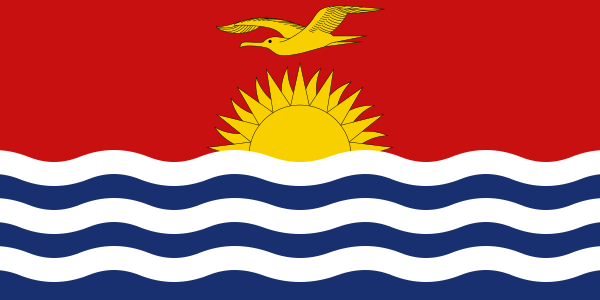 Kiribati
The crime rate is extremely low and people are unusually peaceable.
 Samoa
SamoaSamoa is one of the calmest places in the region, with very little crime.
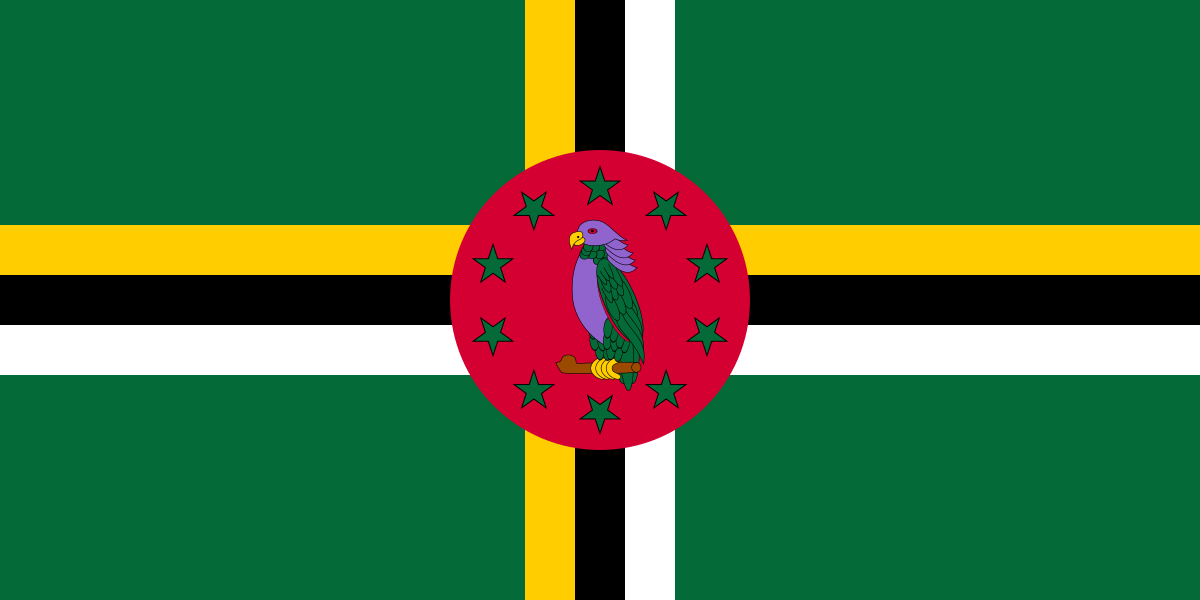 Dominique
Crime is low and people are open and quick to help with directions.
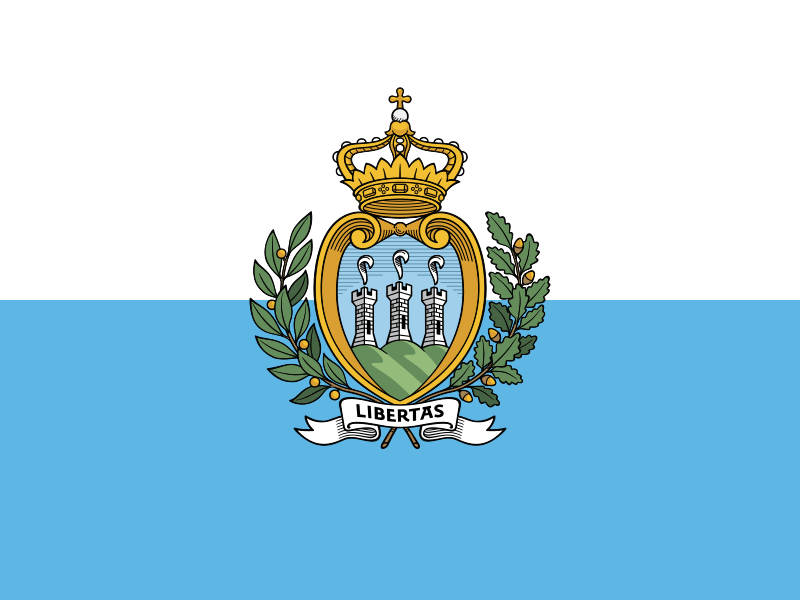 Saint-Marin
The republic is reckoned one of the calmest places anywhere, and theft is genuinely rare.
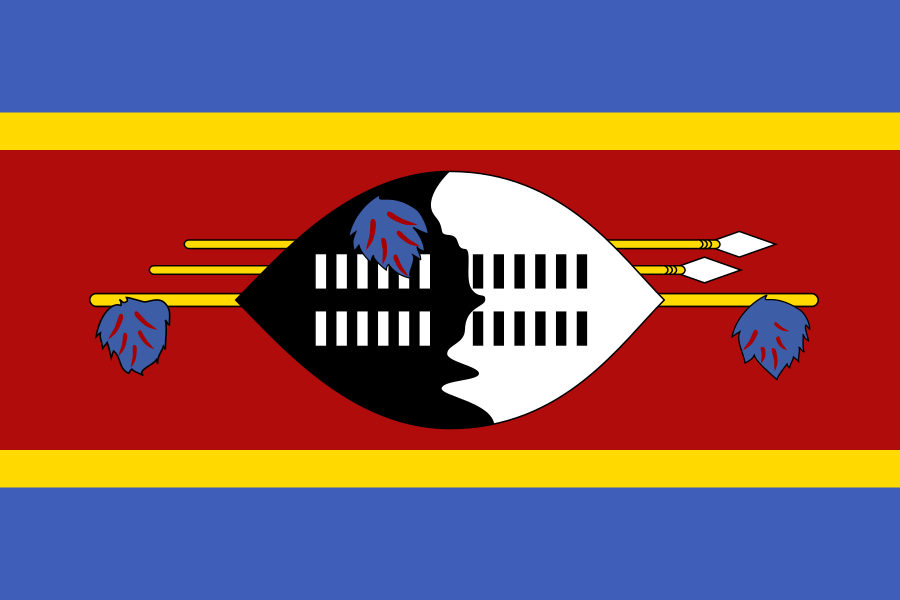 Eswatini
Eswatini is one of the calmest countries on the continent, and people are unusually welcoming to visitors.
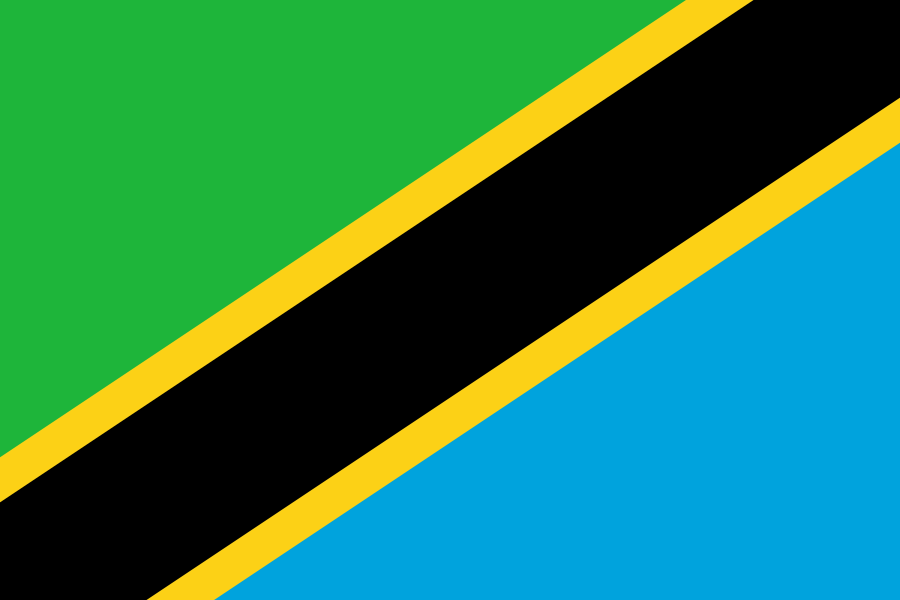 Tanzanie
In Dar es Salaam do not flash expensive phones or cameras in crowds.
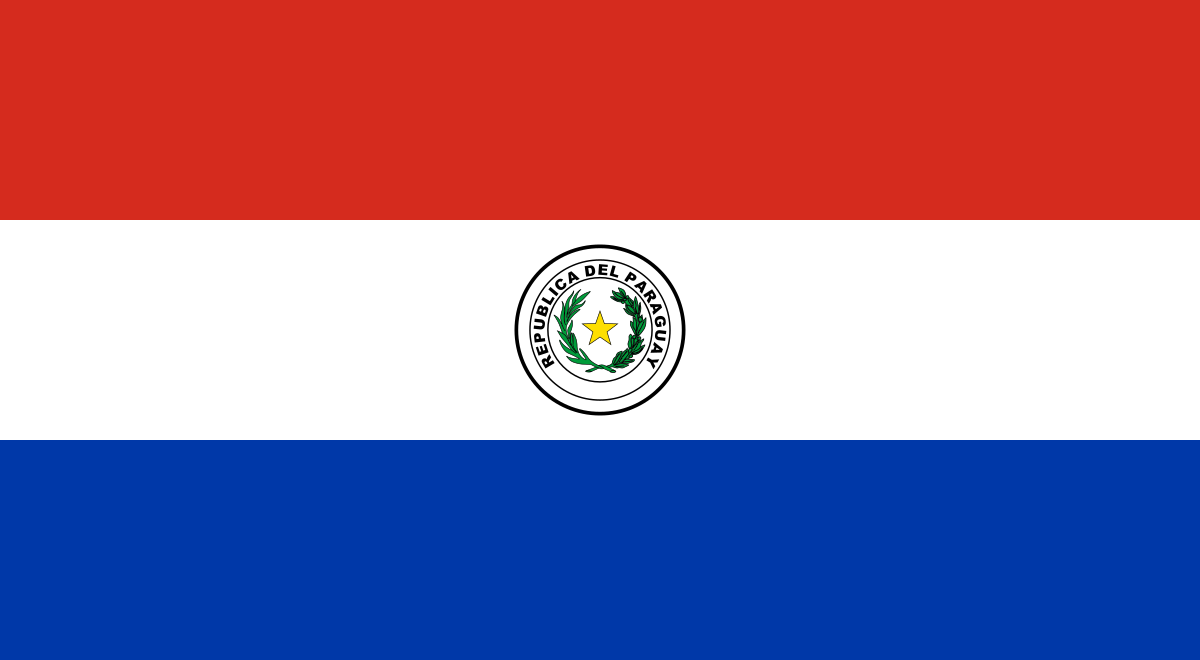 Paraguay
Paraguay is one of the calmer countries in the region, with low levels of violent crime, but that is not a reason to switch off entirely.
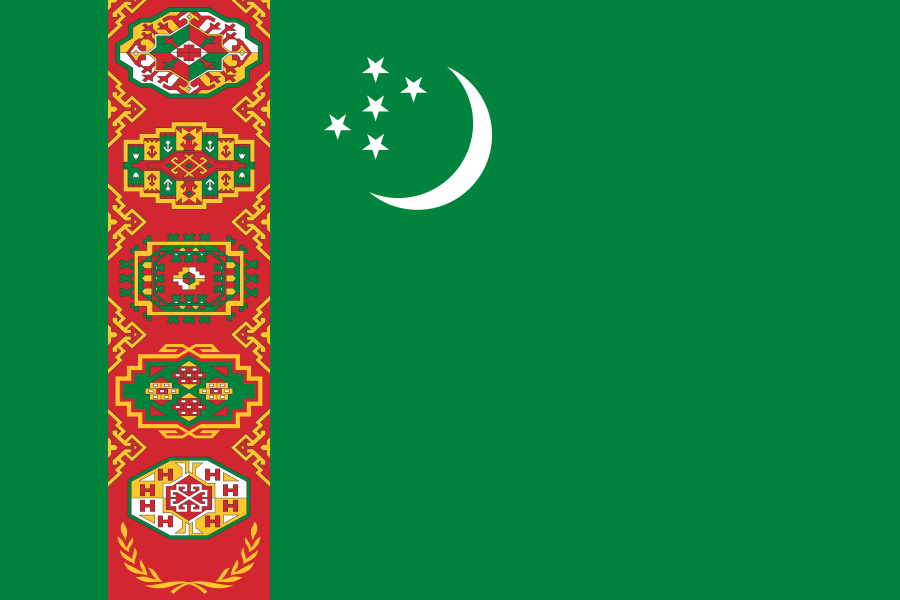 Turkménistan
There are a lot of patrols and they take order seriously.
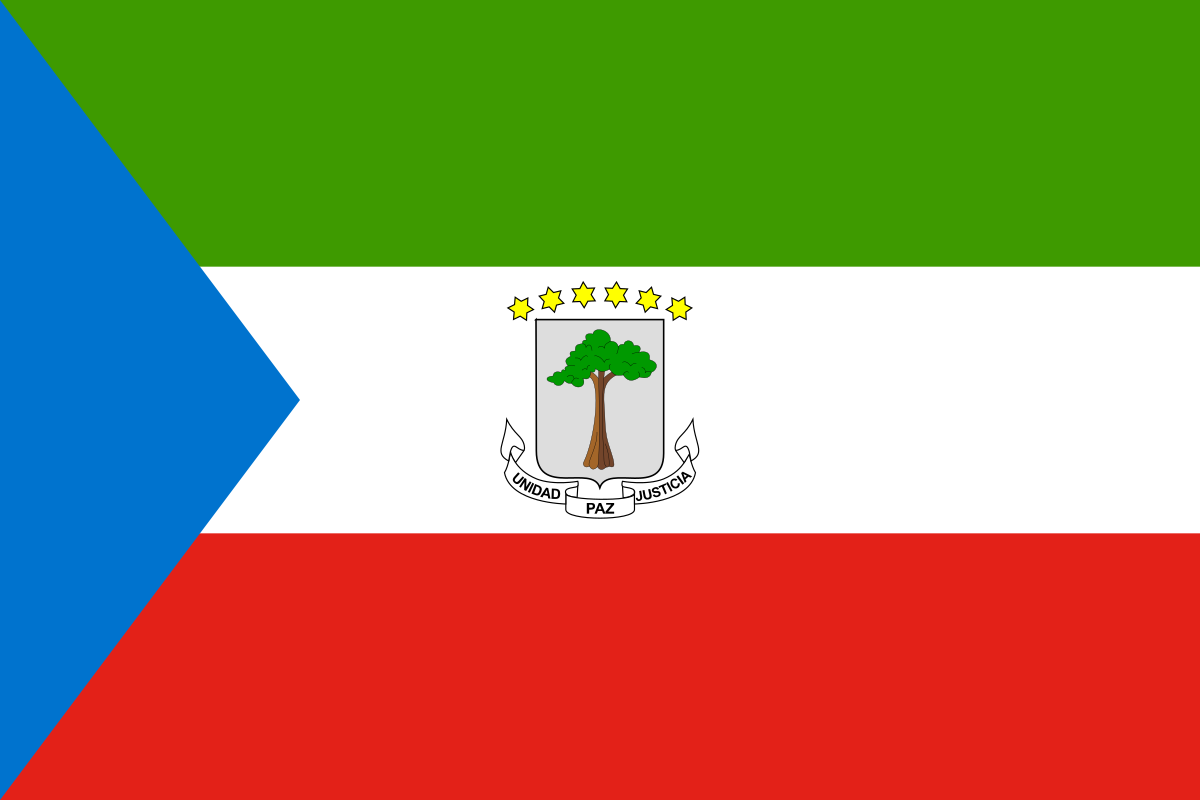
This is the single biggest trap for a visitor.
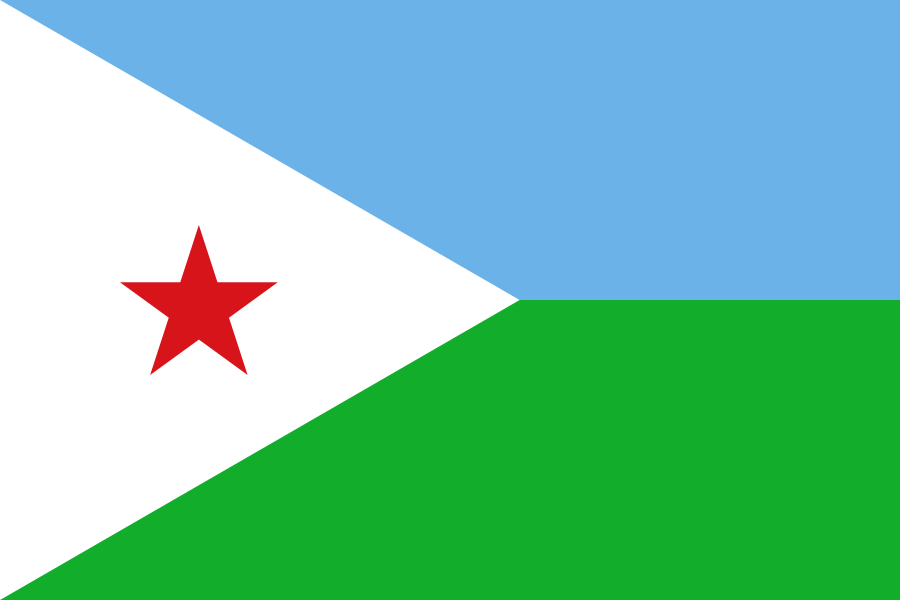 Djibouti
The country is one of the calmer places in the region, partly because of the foreign military bases.
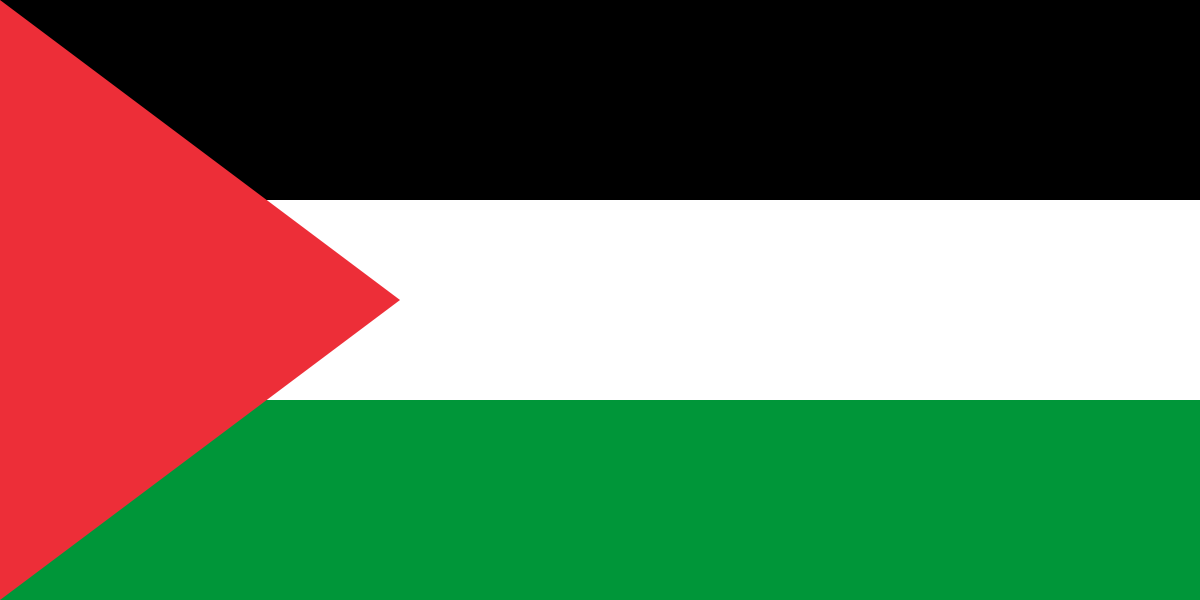
The political situation: conditions in the region change quickly.
 Palaos
Crime: levels are extremely low and Palau is considered one of the safest places anywhere.
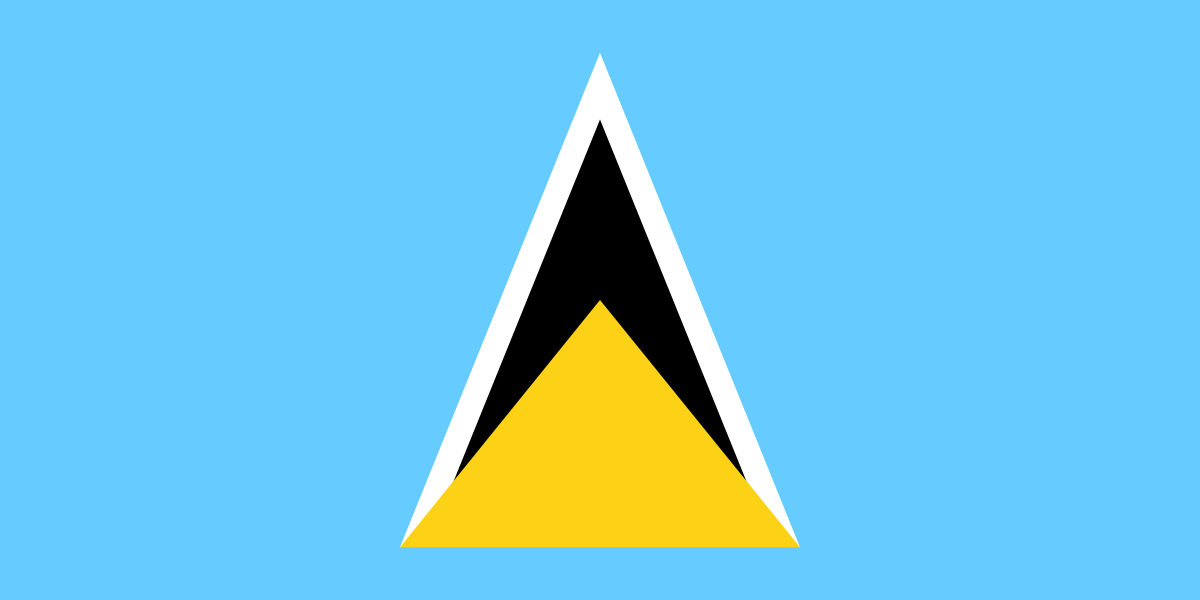 Sainte-Lucie
The security situation is calm, but the usual precautions still apply.
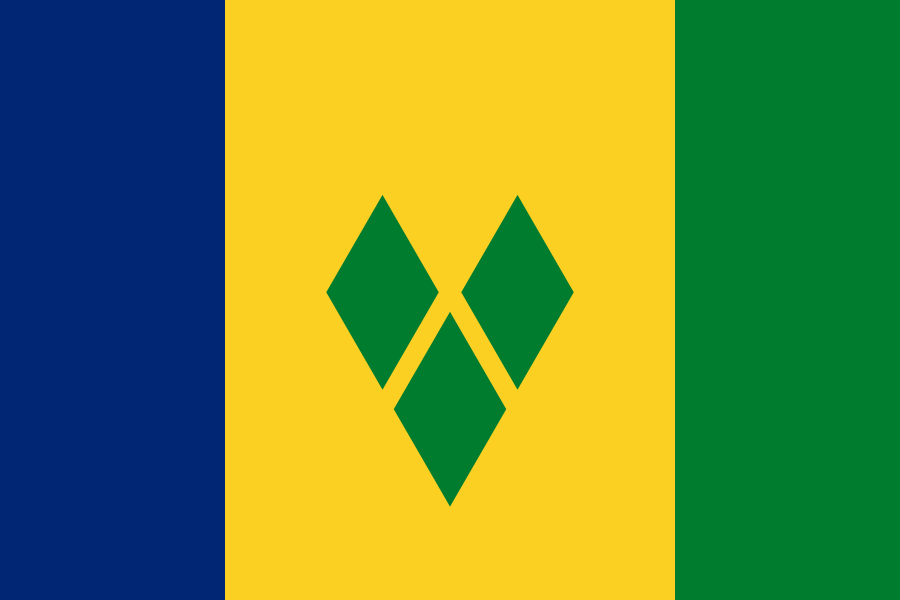
Levels are low, but watch your pockets in Kingstown.
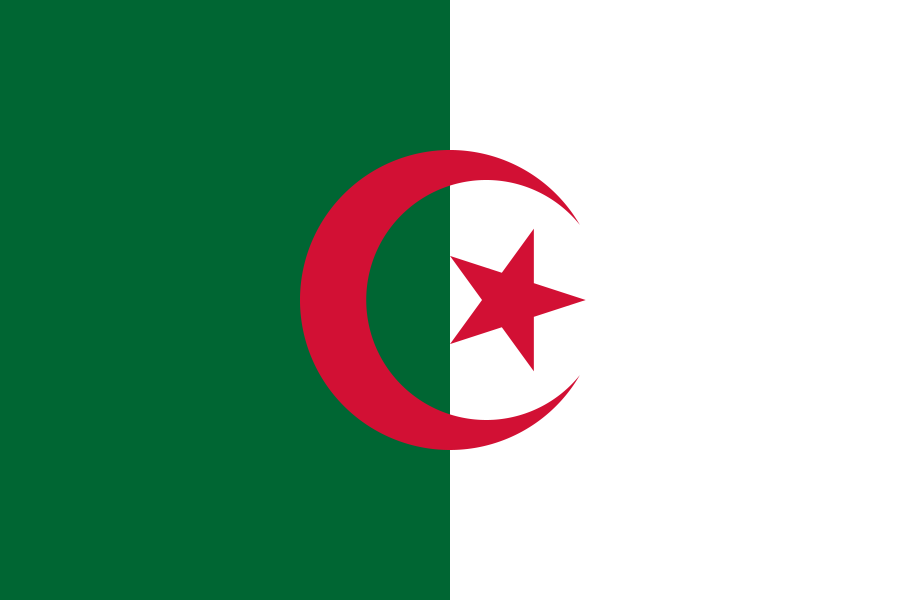 Algérie
The north is fine for walking in daylight and there is police presence on every corner.
Bávaro and Punta Cana have a dedicated tourist police force, POLITUR.
 Russie
In the cities. The big cities run thousands of cameras, and street crime rates are among the lowest anywhere you will travel.
 Bolivie
Altitude sickness. This is the main threat to your health and ignoring it in the Andes can kill you.
 Brésil
Street robbery. Never take an expensive phone out on a busy street in Rio.
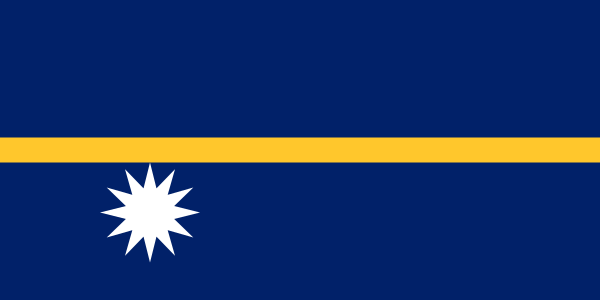 Nauru
NauruThe crime rate is extremely low and everyone on the island knows everyone else by sight.
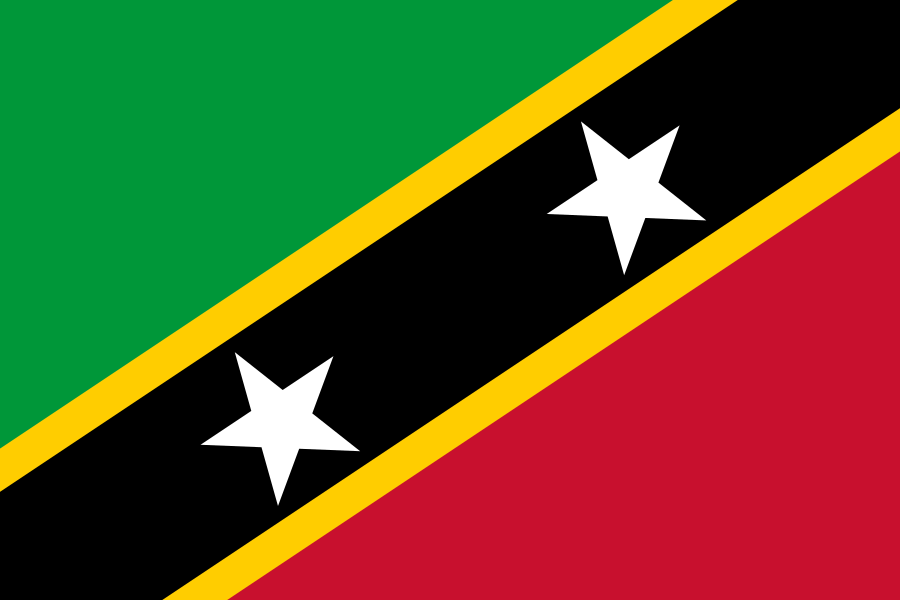
These islands are among the calmest and friendliest in the region, and Nevis in particular has a reputation for being exceptionally safe.
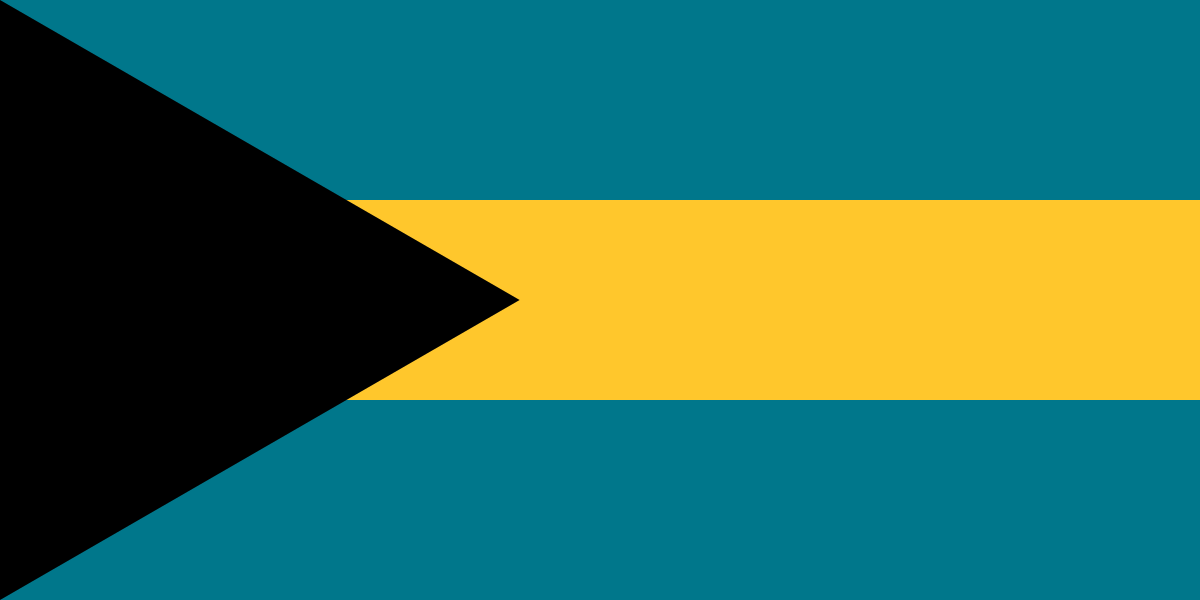 Bahamas
In Nassau, avoid the Over-the-Hill district, particularly after dark, where robberies do happen.
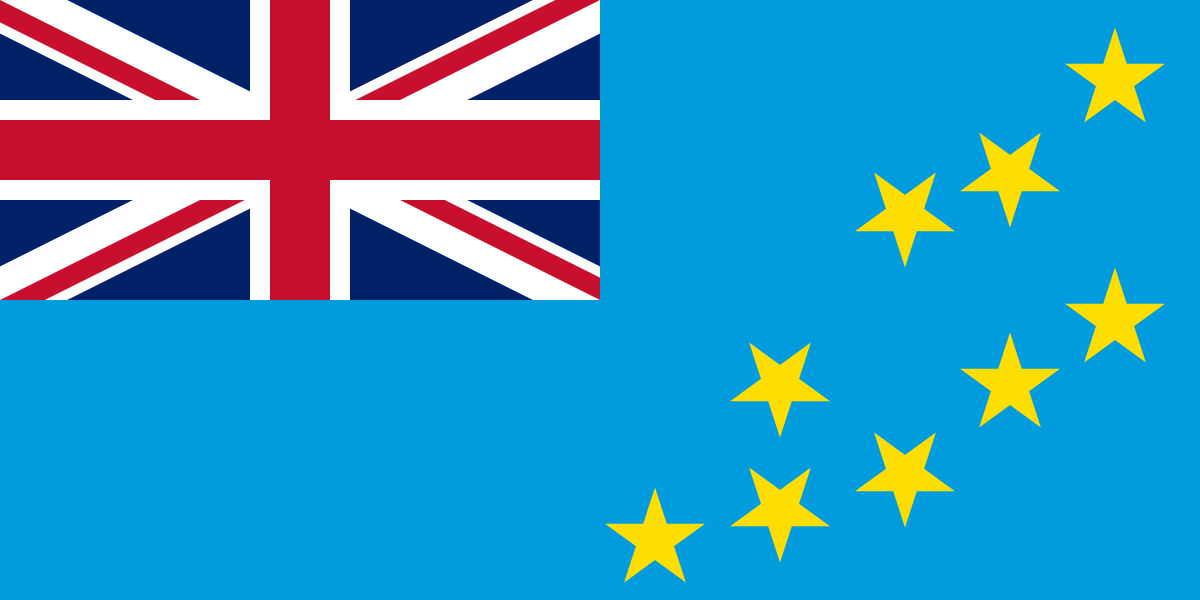 Tuvalu
Tuvalu is deservedly considered one of the safest countries on earth for solo travellers.
 Kenya
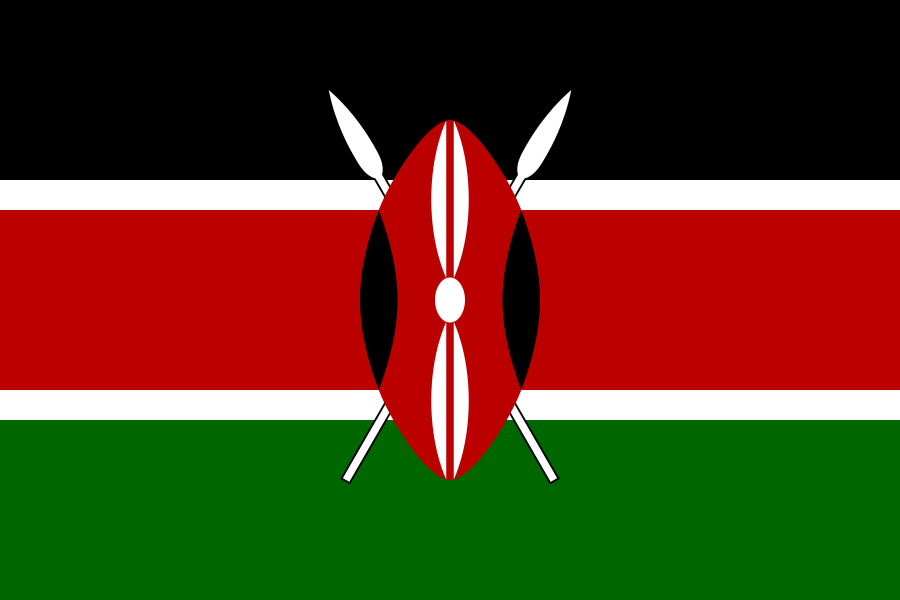
KenyaNairobi requires real attention because of pickpocketing and street robbery.
 Belize
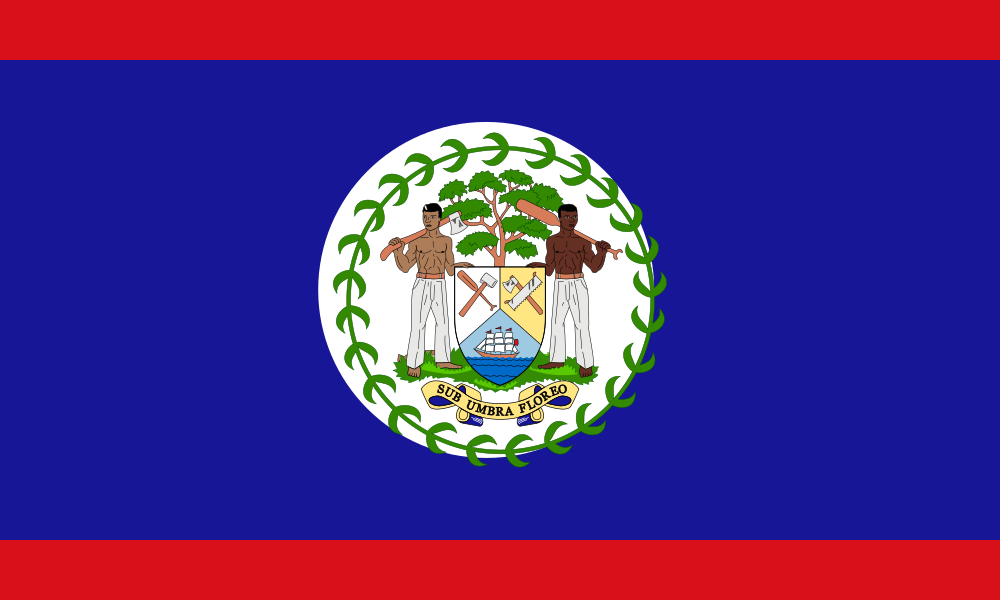
In the tourist towns.
 Pérou
PérouOverall: moderate. The tourist routes are straightforward, but Peru asks for everyday attention, and the main problem is petty theft rather than violence.
 Biélorussie
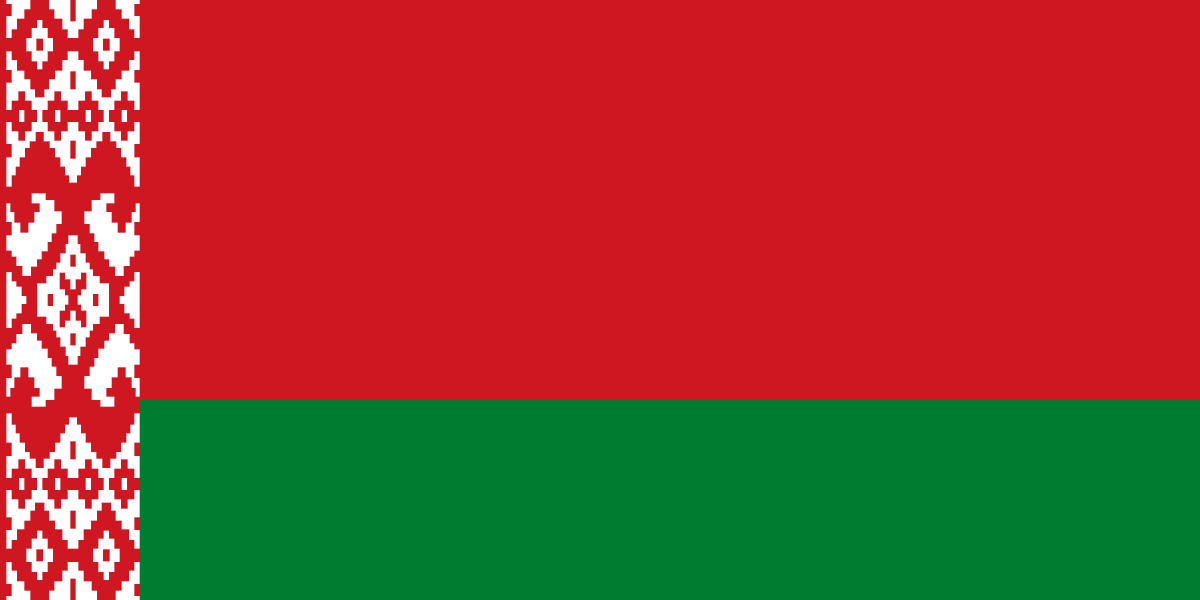
The general picture: street crime is minimal and walking at any hour feels safe.
 Zimbabwe
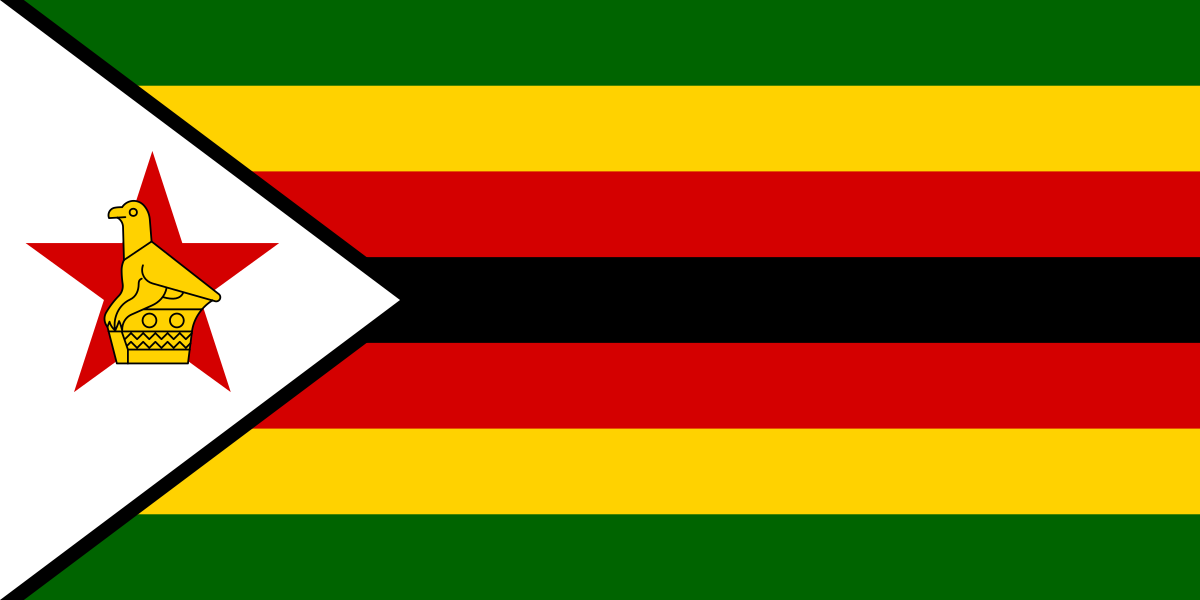
Watch your pockets in crowded parts of Harare and Bulawayo.
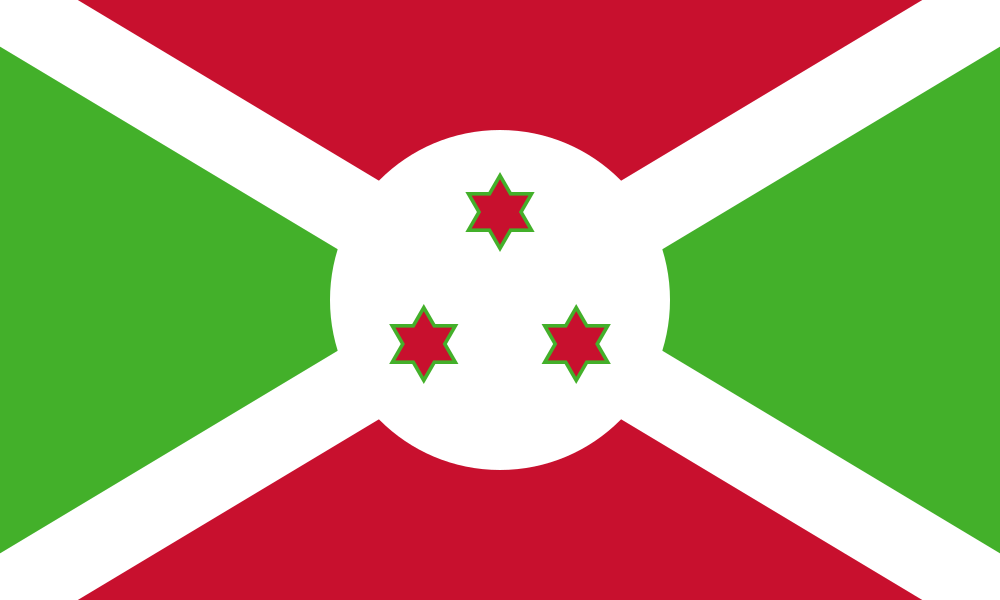 Burundi
The country calls for a high level of alertness.
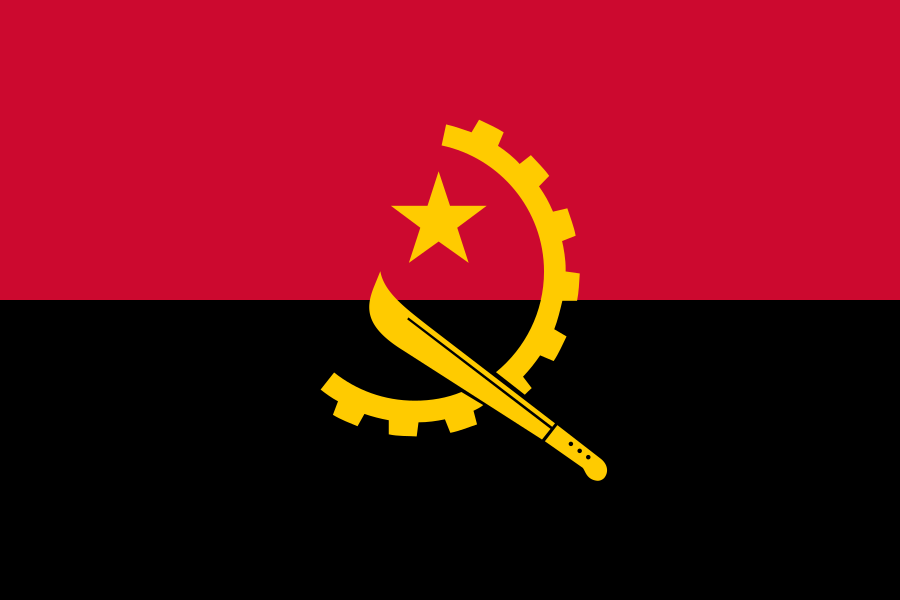 Angola
Petty theft is common in the capital, so keep your phone and camera out of sight.
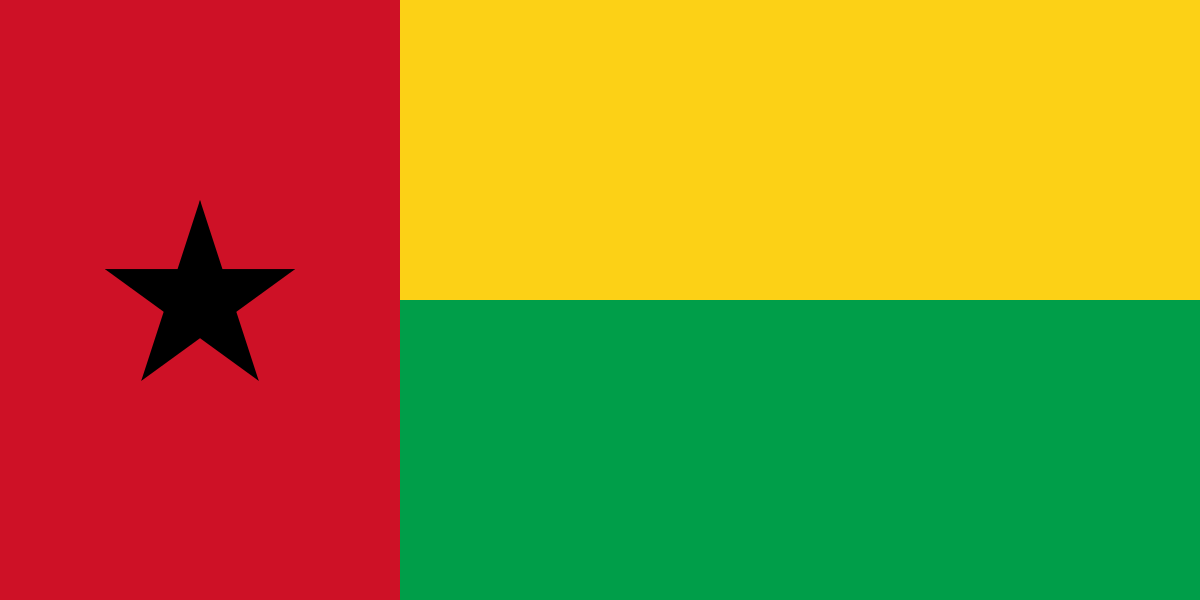
The situation has stayed unsettled since the events of 2025.
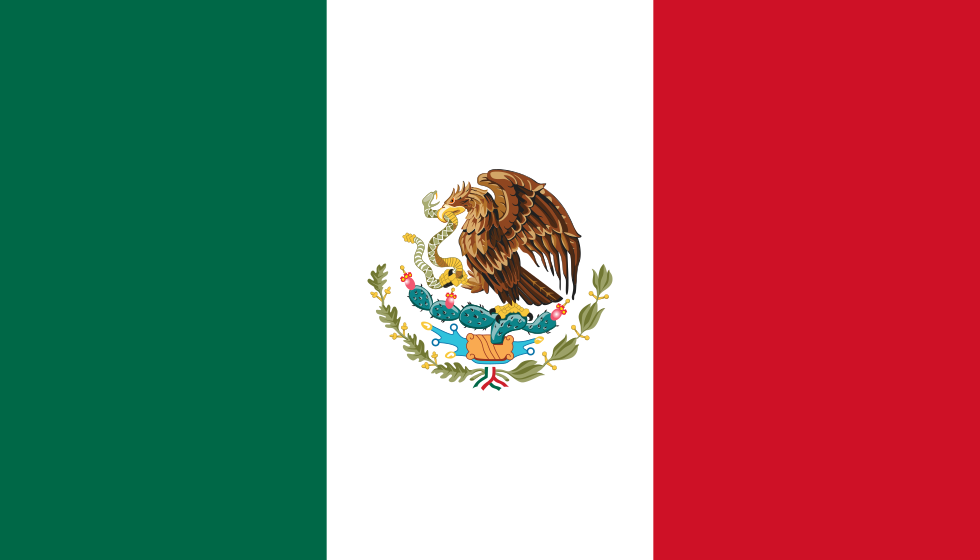 Mexique
Avoid travelling between cities after dark.
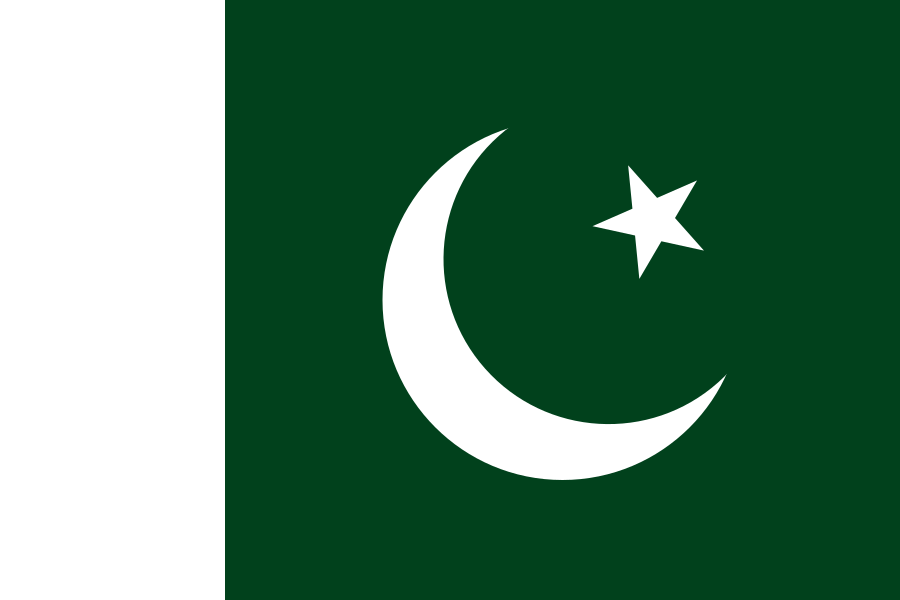 Pakistan
Avoid Balochistan and any area near the Afghan border because of the risk of attacks and kidnapping, and read your own government's travel advisory before you plan a route.
 Bangladesh
Traffic: the single biggest threat to you here is the roads, where rules are largely notional.
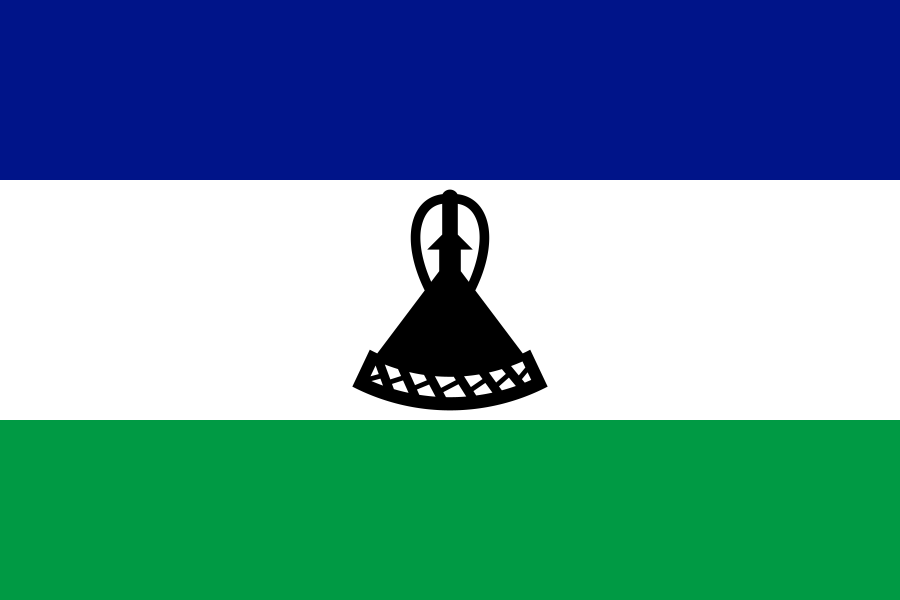 Lesotho
In rural areas Lesotho is one of the calmest countries anywhere, and people are pleased to see visitors.
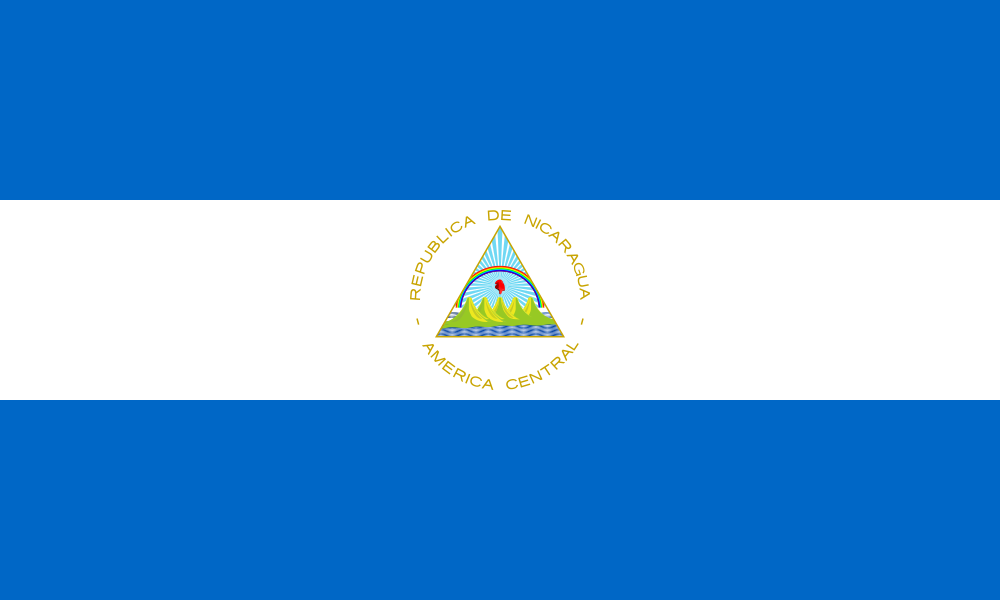 Nicaragua
Nicaragua counts as a calm country, but that is no reason to switch off.
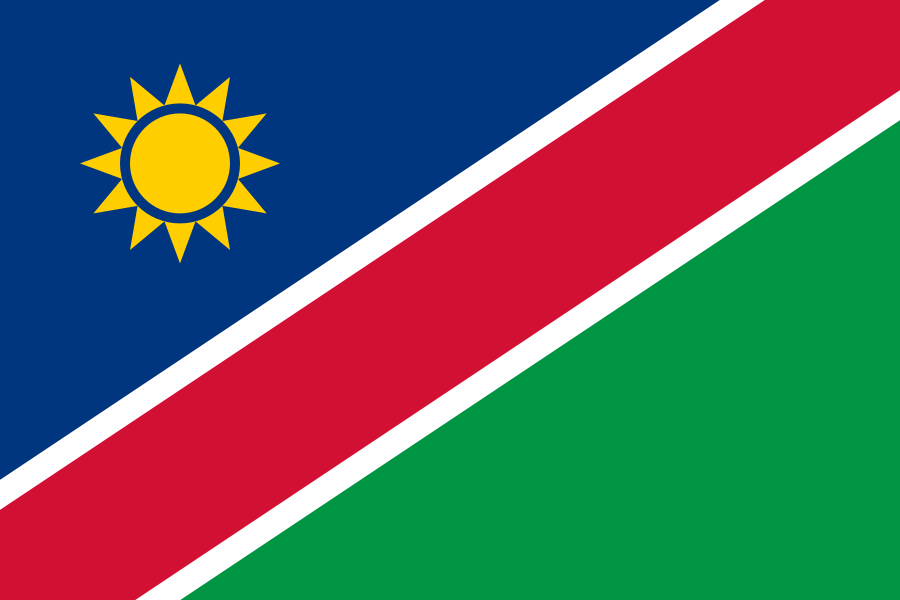 Namibie
Namibia counts as one of the calmest countries on the continent for independent travel.
You will not be admitted to the basilica or the museums in short shorts or with bare shoulders.
 Liberia
Liberia has a high crime rate, so basic precautions matter constantly.
 Guatemala
Guatemala City needs real attention because of gang activity.
 Iran
IranIran is a calm country where crime is rarer than in most European capitals.
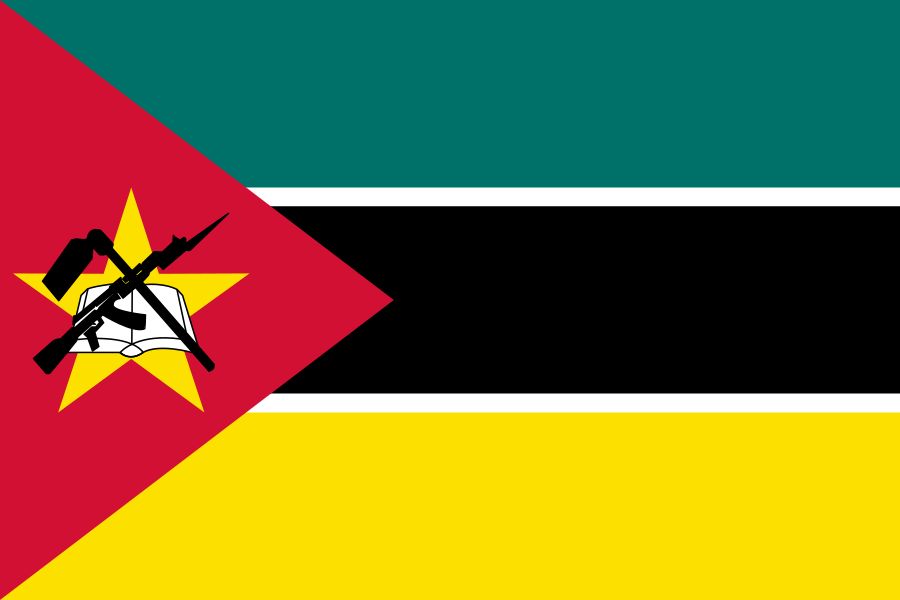 Mozambique
General caution: the tourist areas in the south are welcoming and easy.
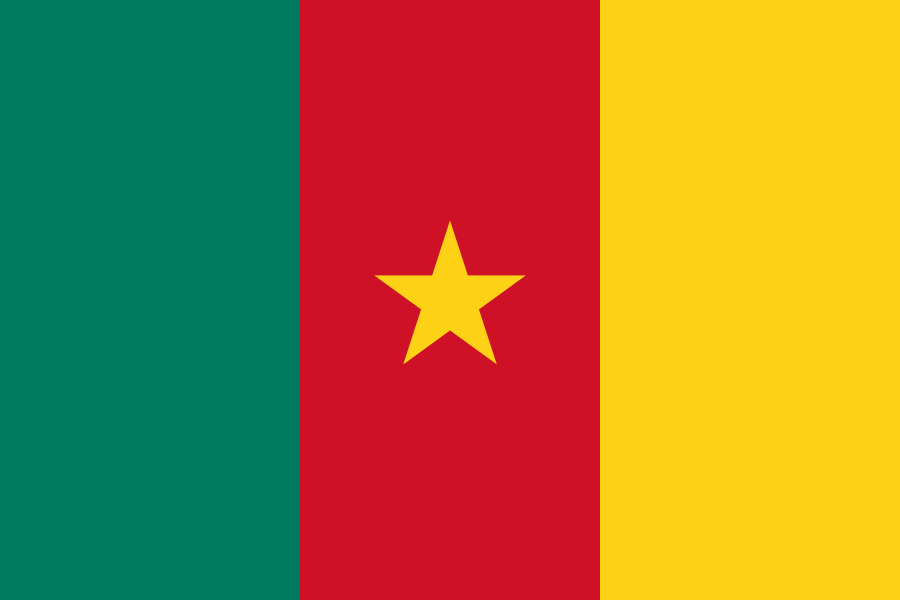 Cameroun
The country requires constant alertness and caution with strangers.
 Éthiopie
Pickpockets: in the crowds at Mercato and in the queues at Bole airport, keep your pockets watched.
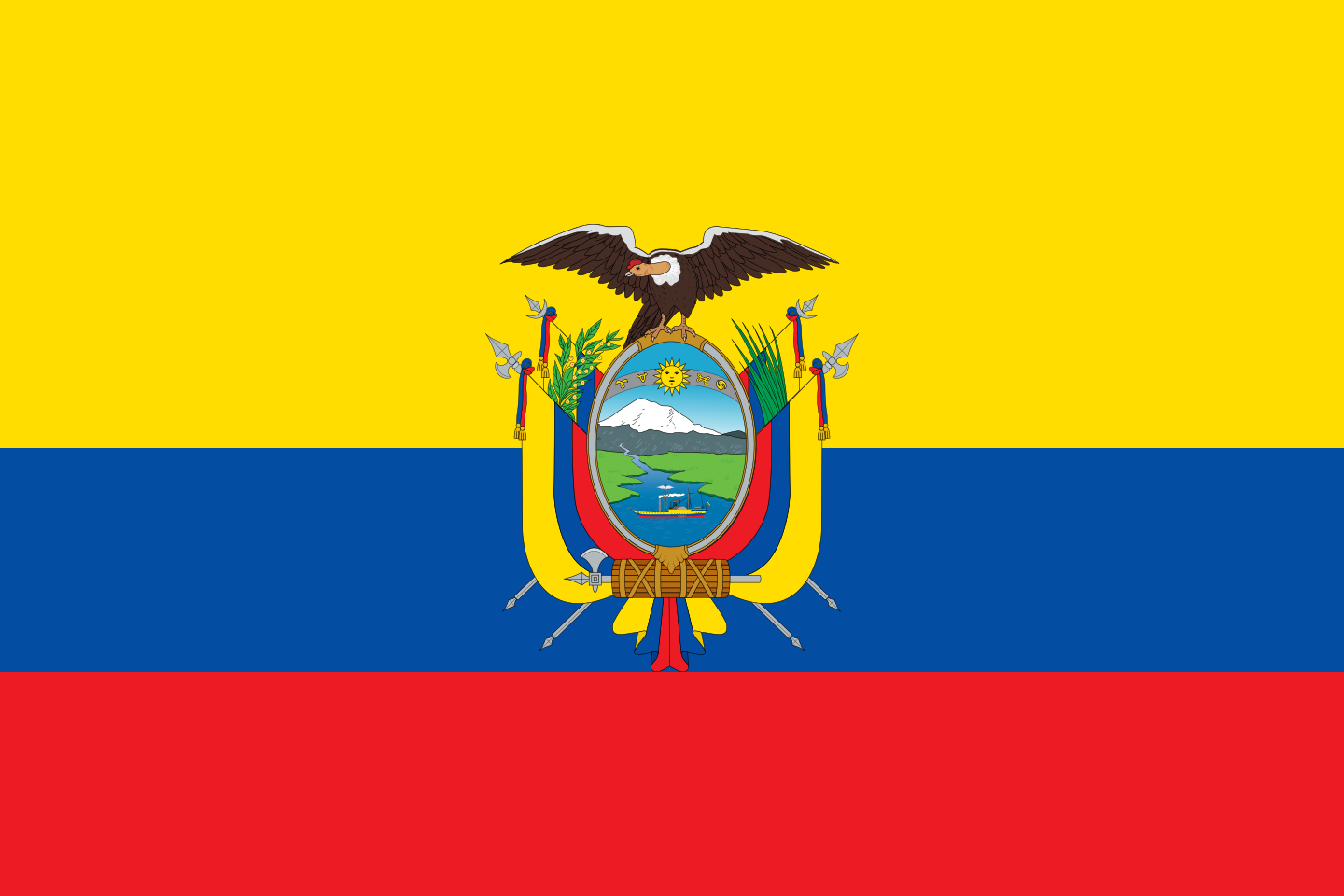 Équateur
In Guayaquil and Quito, take care and do not display expensive electronics.
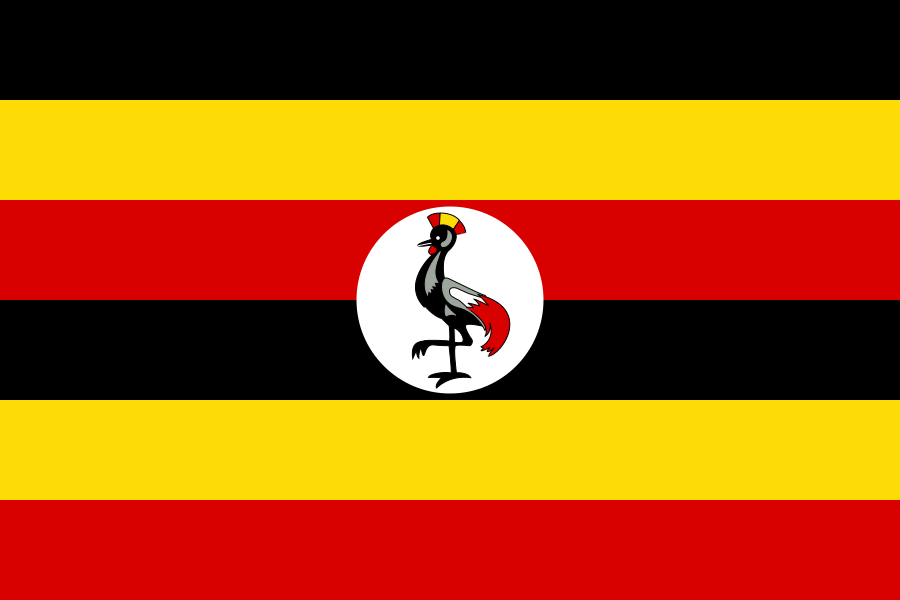 Ouganda
Watch your phone and wallet in crowded parts of the capital and in markets.
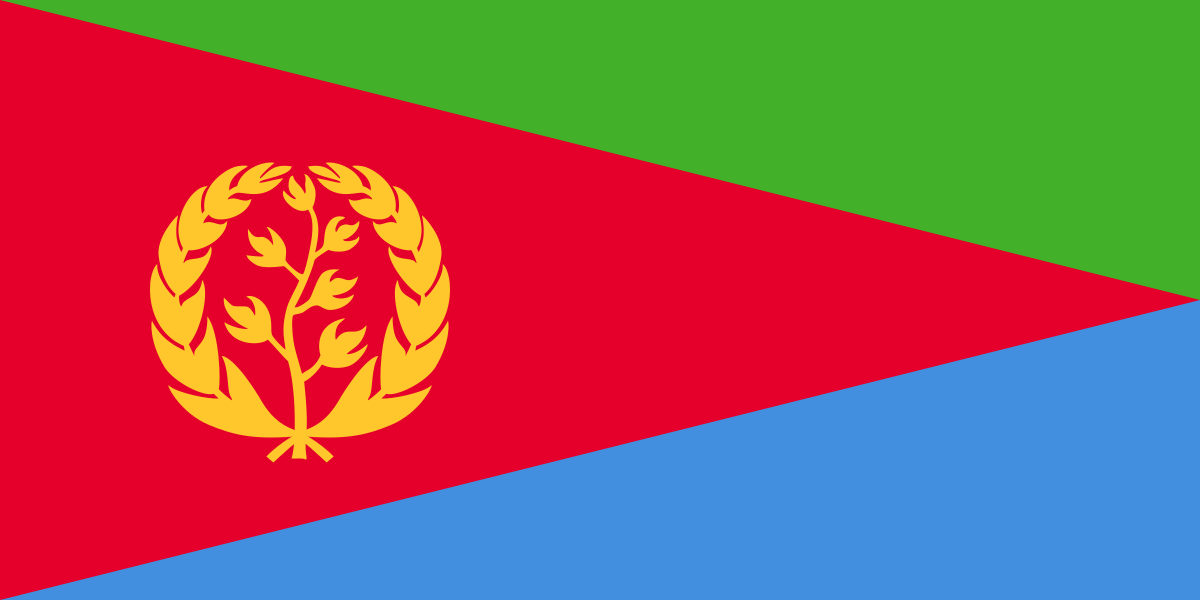 Érythrée
Street crime: extremely low, and Asmara is one of the calmest cities on the continent.
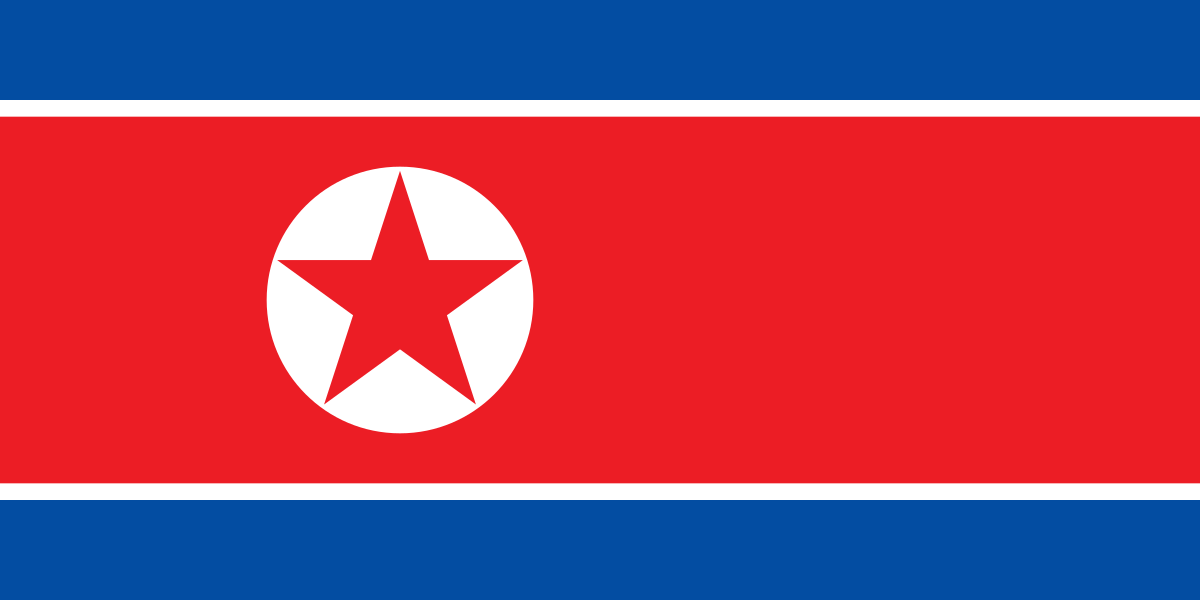
Street crime in the cities is essentially nil.
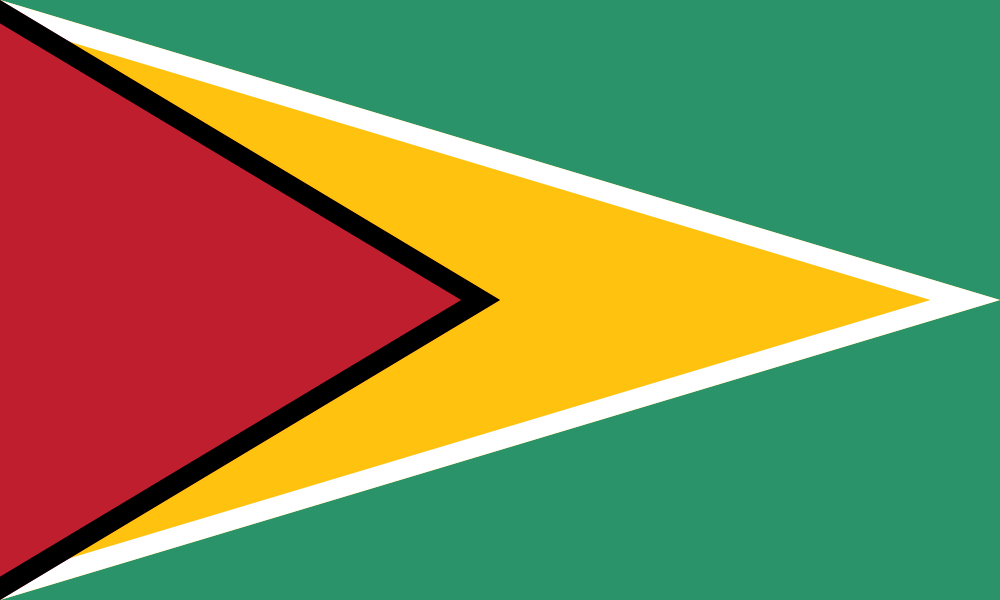 Guyana
The capital needs attention, because street crime remains persistently high.
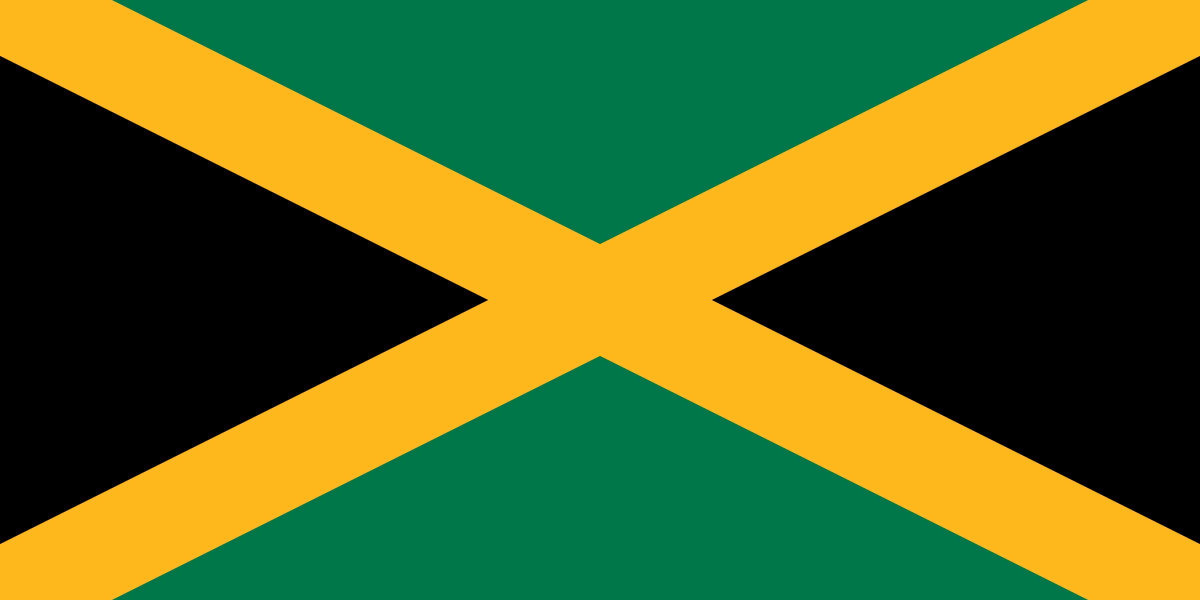 Jamaïque
Tourist zones are patrolled, but in Kingston stay well clear of areas like Tivoli Gardens.
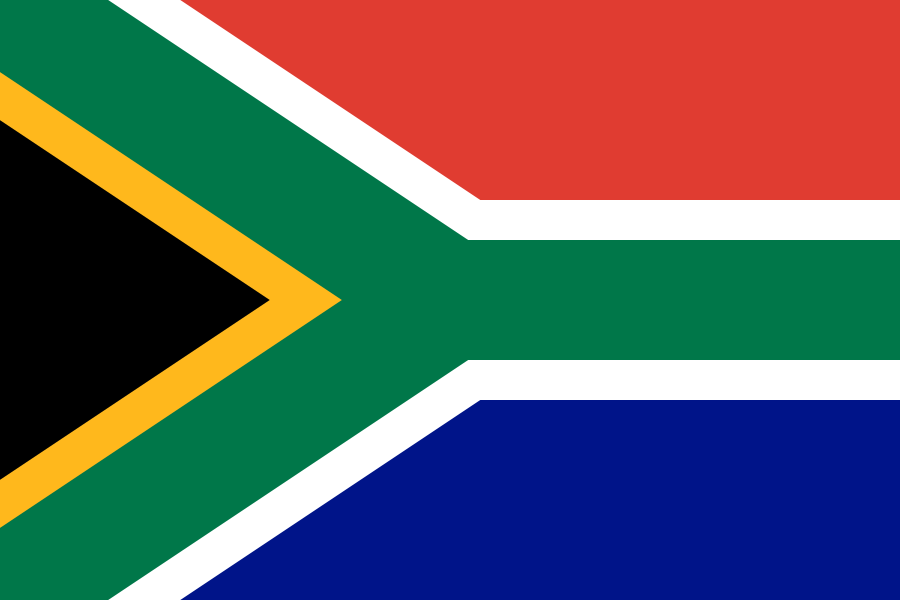
South Africa has a very high crime rate.
 Honduras
The crime rate is high, though most of it is gang business among locals.
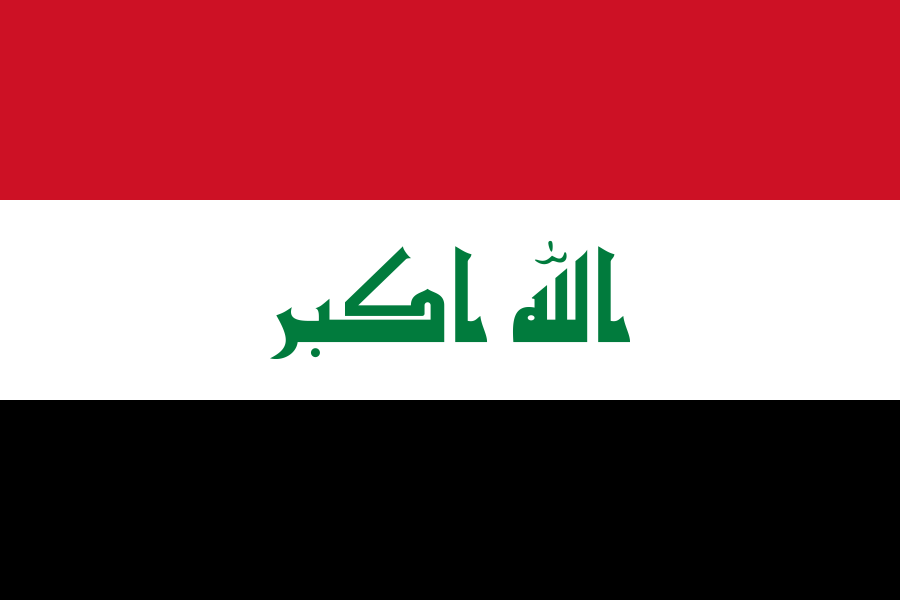 Irak
IrakKurdistan is calm to the point where night walks are normal.
 Tchad
TchadThe crime rate in the capital is high, particularly after sunset.
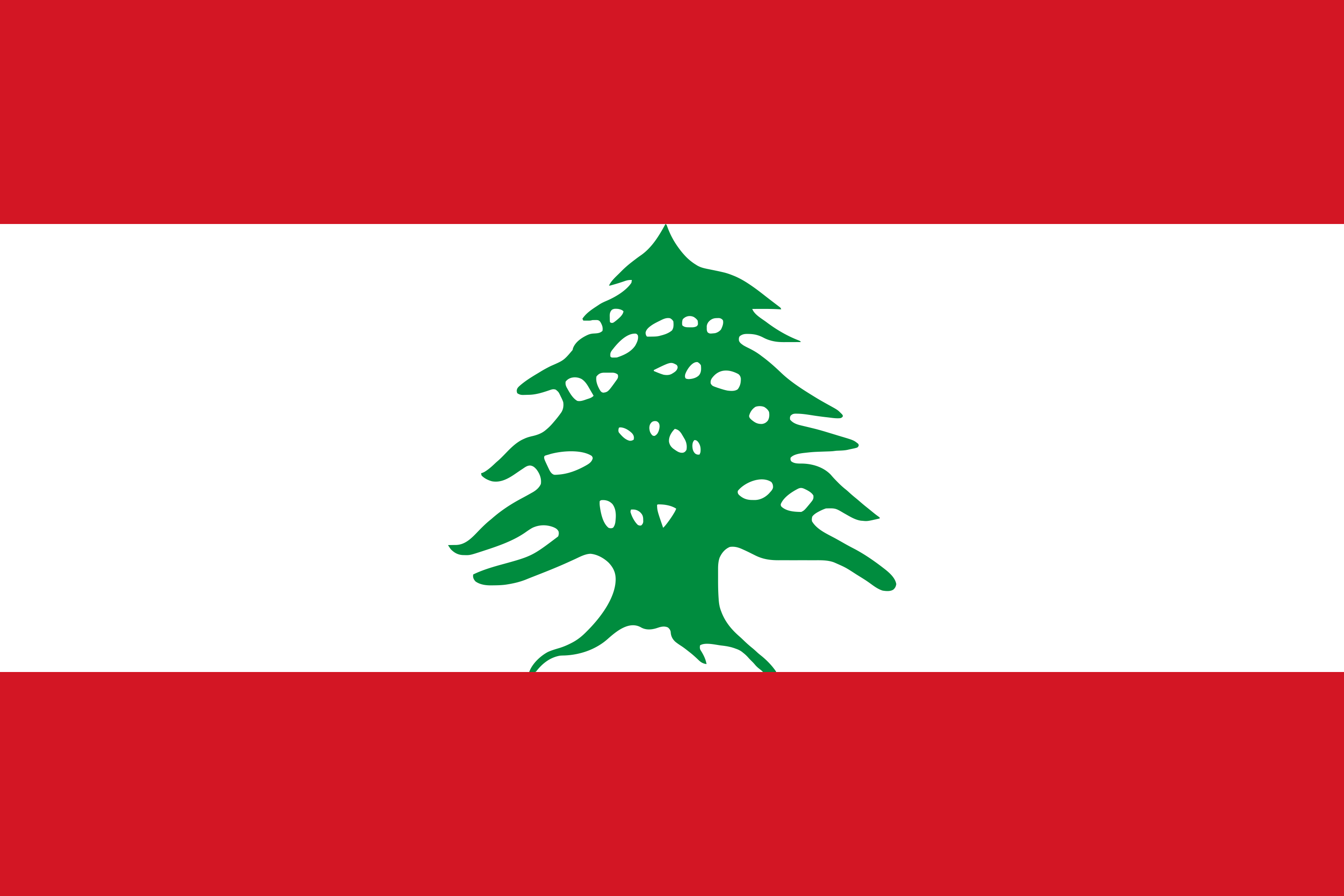 Liban
LibanThe risk level remains unstable, so follow the news in real time and check your own government's travel advisory before and during the trip.
 Nigeria
Nigeria demands attention to detail and an understanding of local security realities.
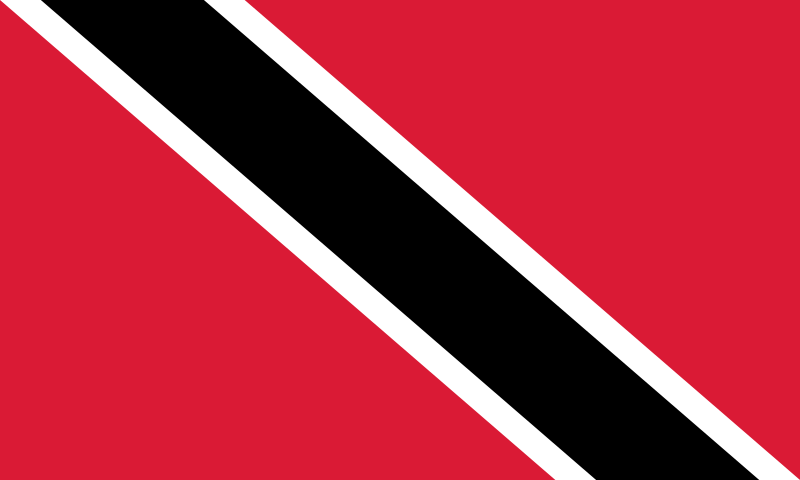
Trinidad has genuine problem areas where the risk of armed robbery is high.
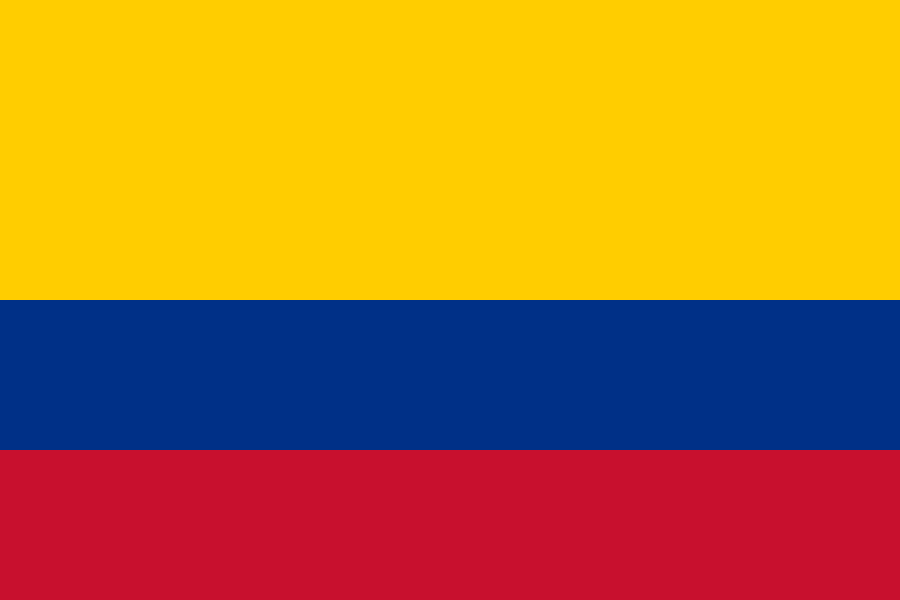 Colombie
The governing rule is no dar papaya.
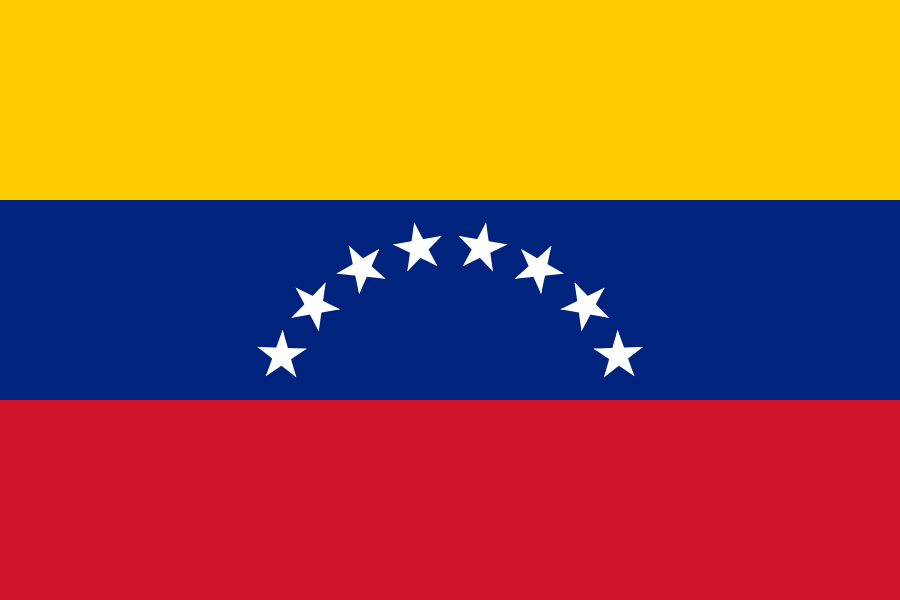 Venezuela
Venezuela remains a high-crime country and you should plan around that.
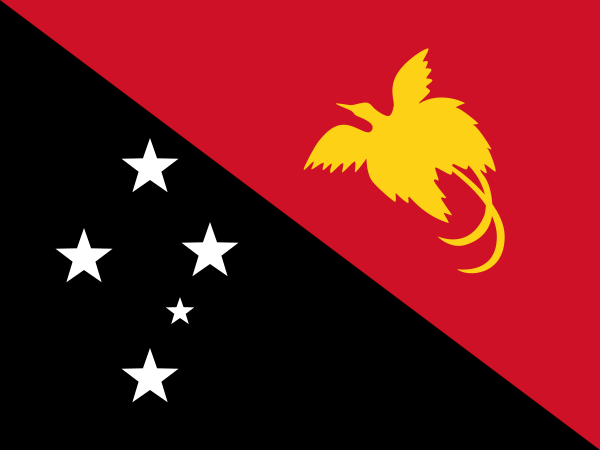
The picture: this is one of the more difficult countries in the world for personal security.
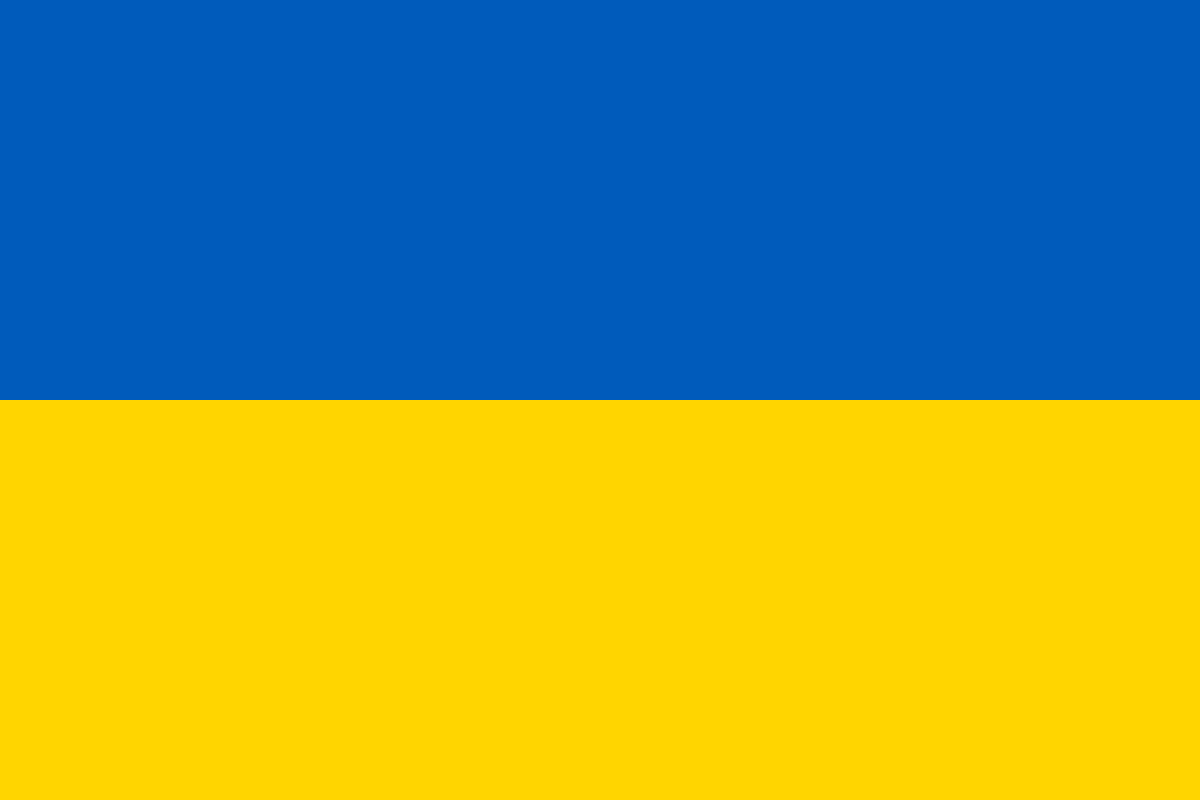 Ukraine
Strict restrictions apply nationwide, including an overnight curfew.
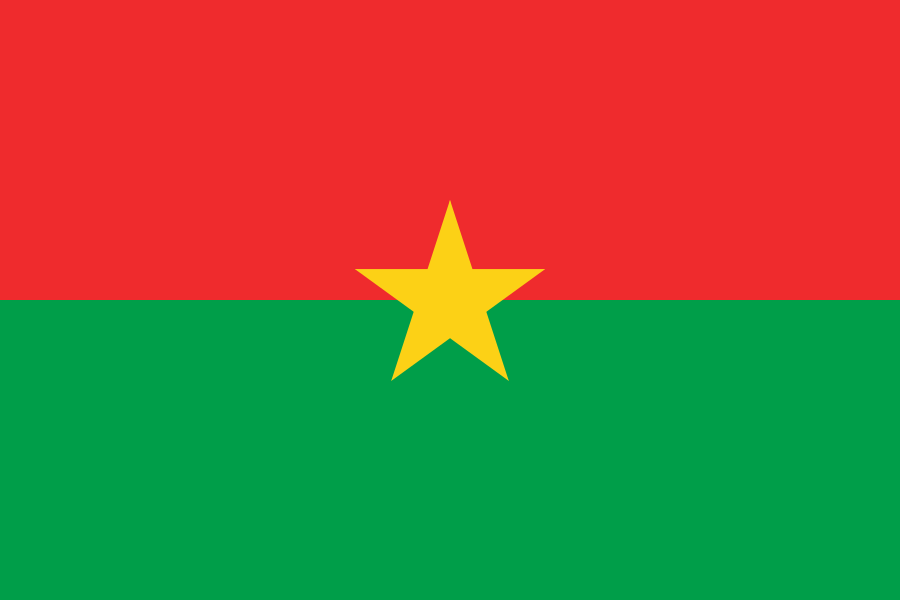 Burkina Faso
The security situation remains highly unstable because of armed group activity.
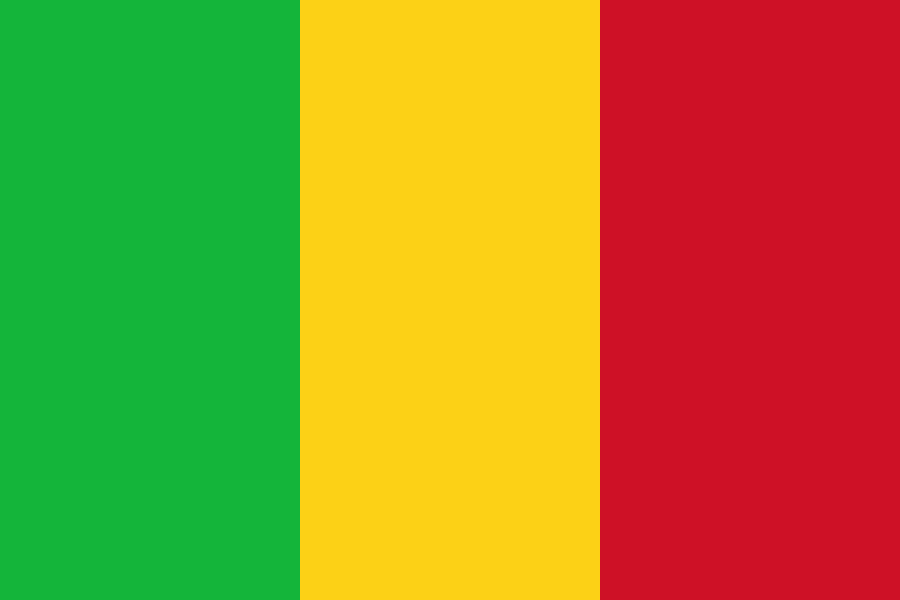 Mali
MaliThe overall situation is severe.
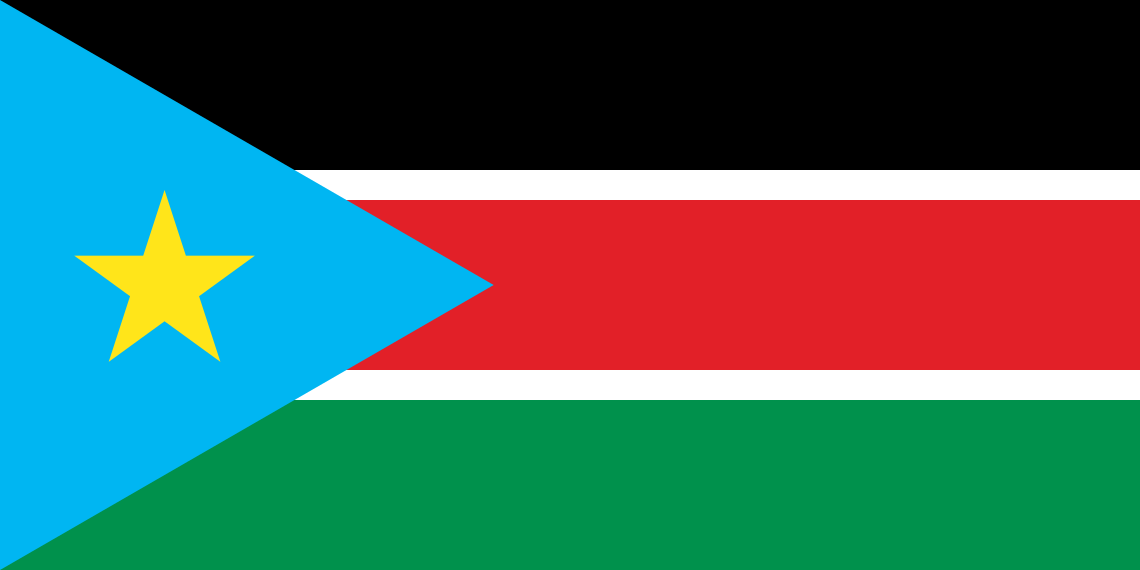
South Sudan remains a high-risk country with an unpredictable security situation.
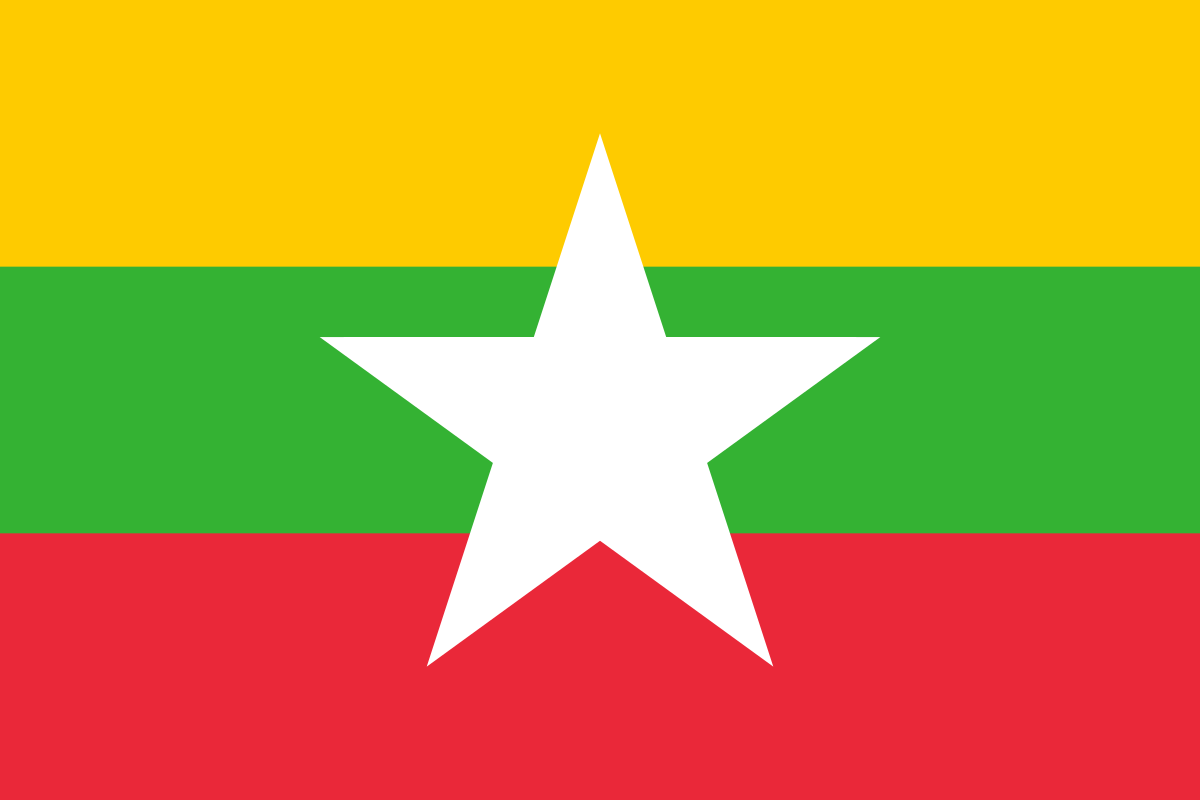
The overall situation: the political situation remains unstable, so keep your route to the established tourist areas.
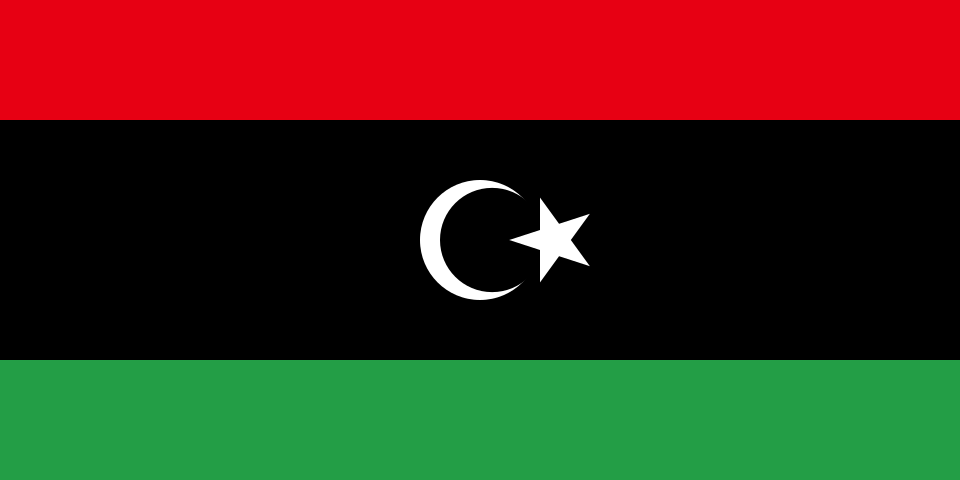 Libye
LibyeThe country remains a high-risk destination divided between competing factions, and you should read your own government's travel advisory before committing to anything.
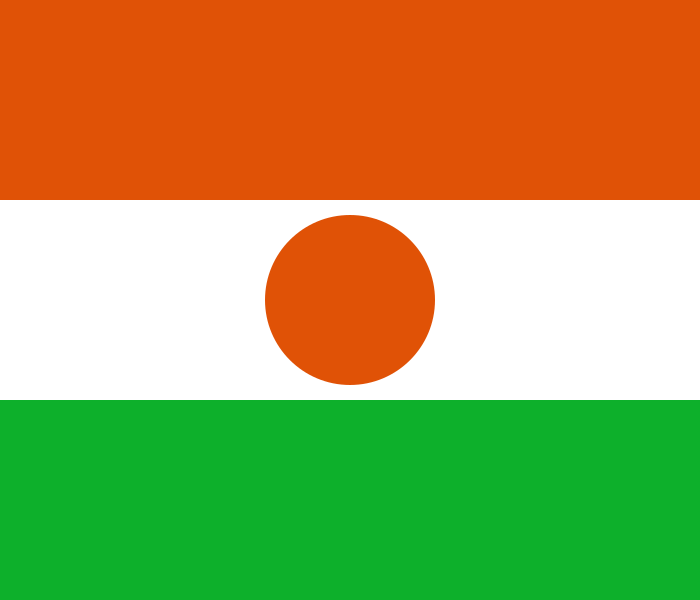 Niger
NigerConditions remain extremely tense, the military controls key nodes, and borders with neighbouring countries can close without warning.
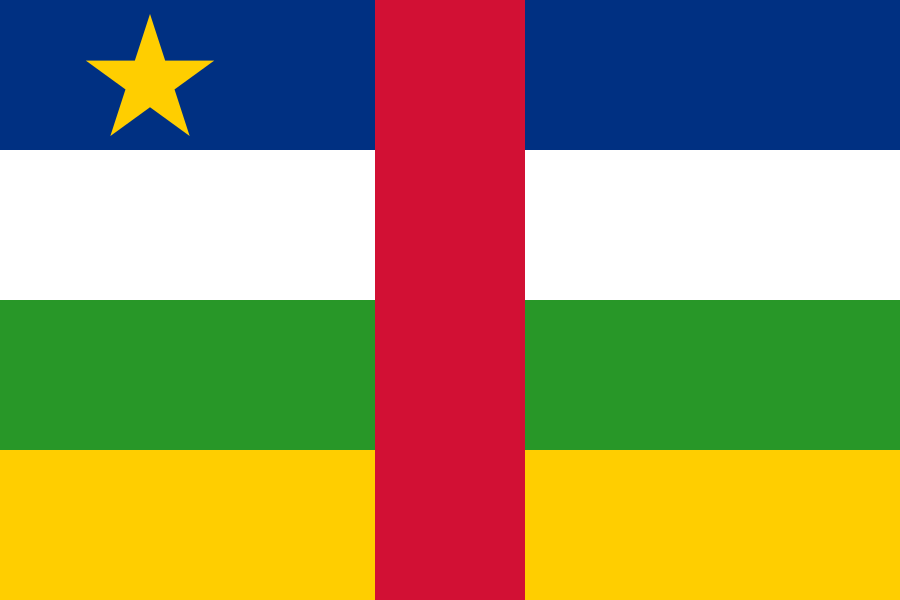
The country remains one of the most dangerous in the world because of a smouldering civil conflict.
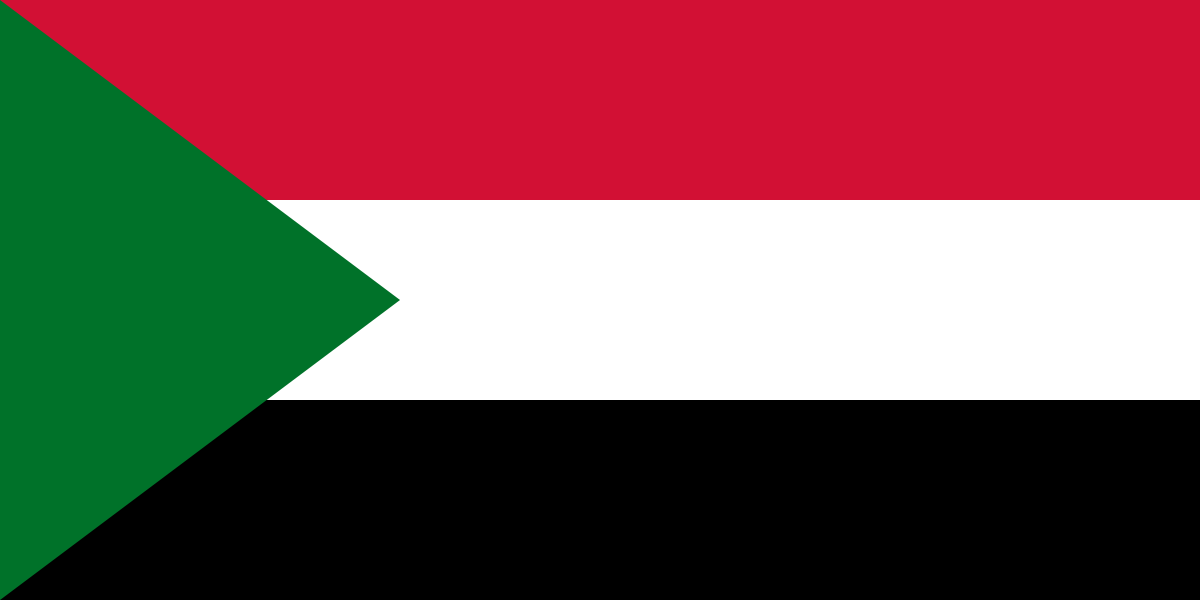 Soudan
Fighting between the army and the rapid support forces is ongoing.
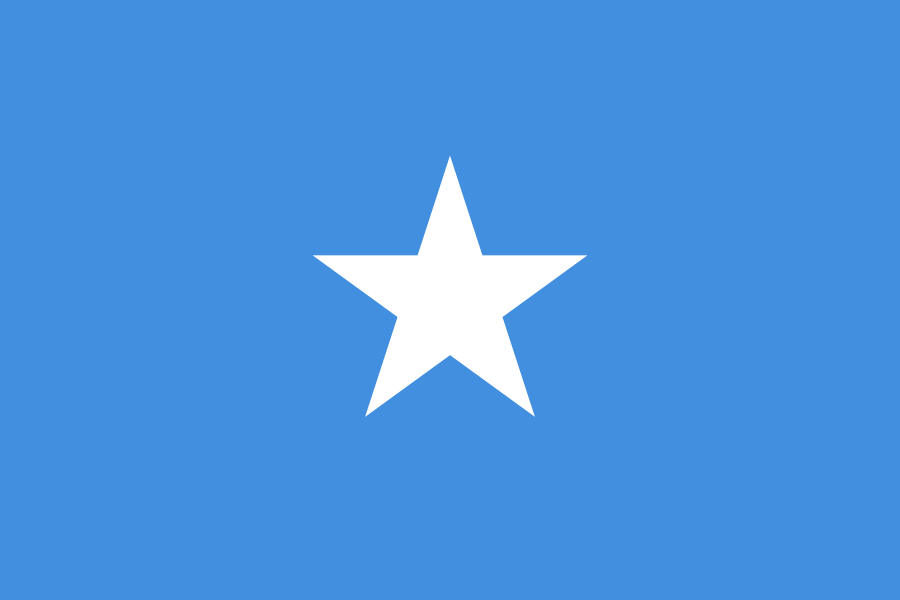 Somalie
Somaliland has been running its own peaceful affairs for thirty years and street crime is lower than in Nairobi.
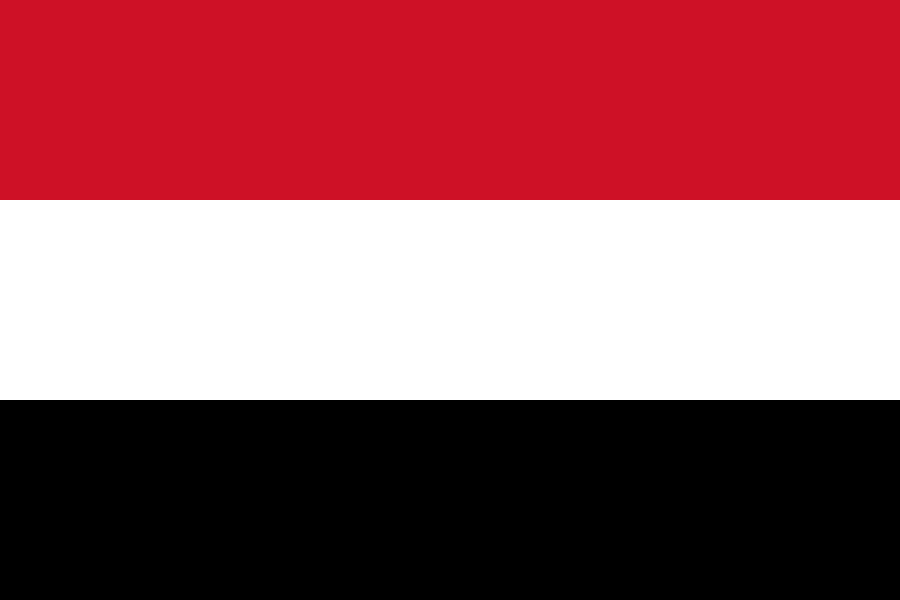 Yémen
YémenSocotra remains a quiet haven and is essentially untouched by the mainland conflict.
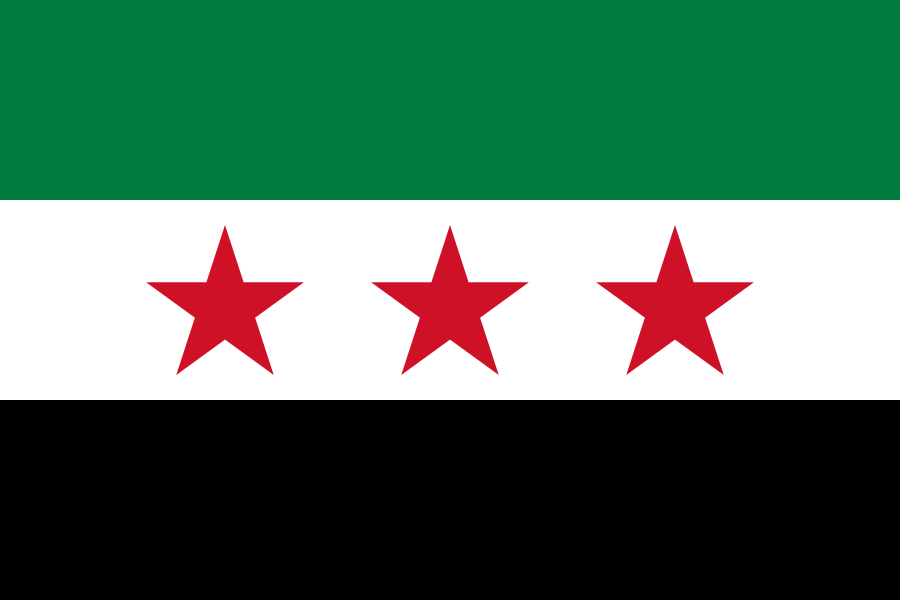 Syrie
SyrieYou cannot move between cities without passing through them.
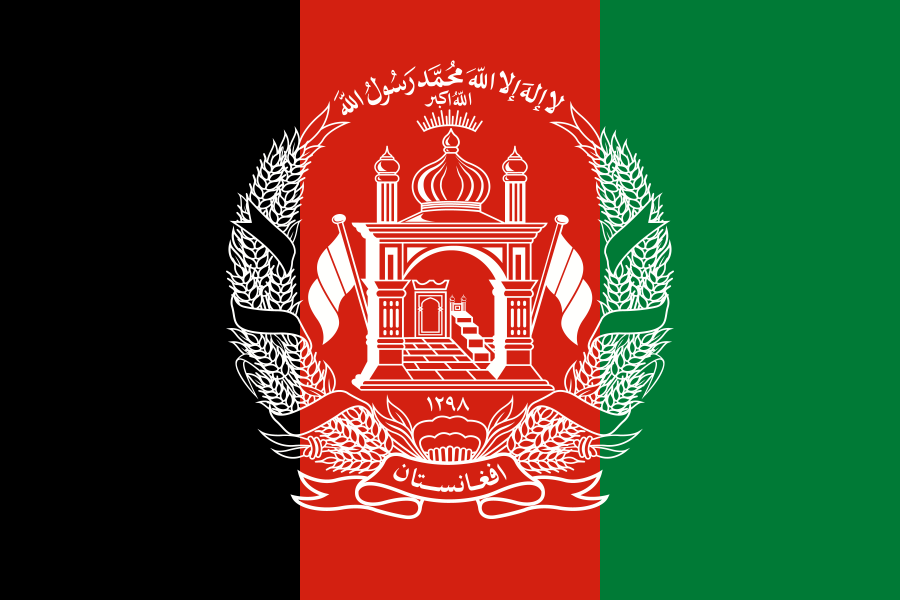 Afghanistan
Expect frequent document checks by armed patrols on the roads between provinces.
Ituri and the Kivu provinces are at war.
 Haïti
HaïtiTravel to Haiti is not advisable at present.
Pays dans le tableau : 197
Comment lire la note
La note est un arrière-plan, pas un verdict. Un pays dangereux a des quartiers calmes, et dans le plus sûr votre portefeuille disparaît quand même si vous somnolez dans le métro.
Quels pays sont sûrs pour voyager
La sécurité, ce sont trois choses différentes que l’on confond habituellement. D’abord la criminalité violente : elle décide si vous pouvez marcher en ville le soir. Ensuite le vol : les pickpockets de Barcelone et de Paris opèrent exactement là où se tiennent les touristes, et cela ne dit rien du pays dans son ensemble. Enfin le contexte : politique, qualité de la médecine et le fait que l’ambulance vienne vraiment.
Le minimum pratique avant de partir : enregistrez le numéro d’urgence local, vérifiez si l’eau du robinet se boit, et demandez à votre hôte quels quartiers éviter à la nuit tombée. Ces trois points couvrent l’essentiel de ce qui arrive réellement aux voyageurs.
À propos de l’assurance : dans les pays notés 3 ou moins, les soins pour un étranger coûtent cher, et une police sans garantie sports et loisirs ne paiera pas après un accident de scooter — l’incident le plus fréquent chez les touristes en Asie.
Les notes s’appuient sur des données publiques sur la criminalité et les conseils des ministères des Affaires étrangères. La situation évolue — consultez les avis en vigueur avant de partir.